Best Polyester Warm Solutions for Cold Weather Needs?
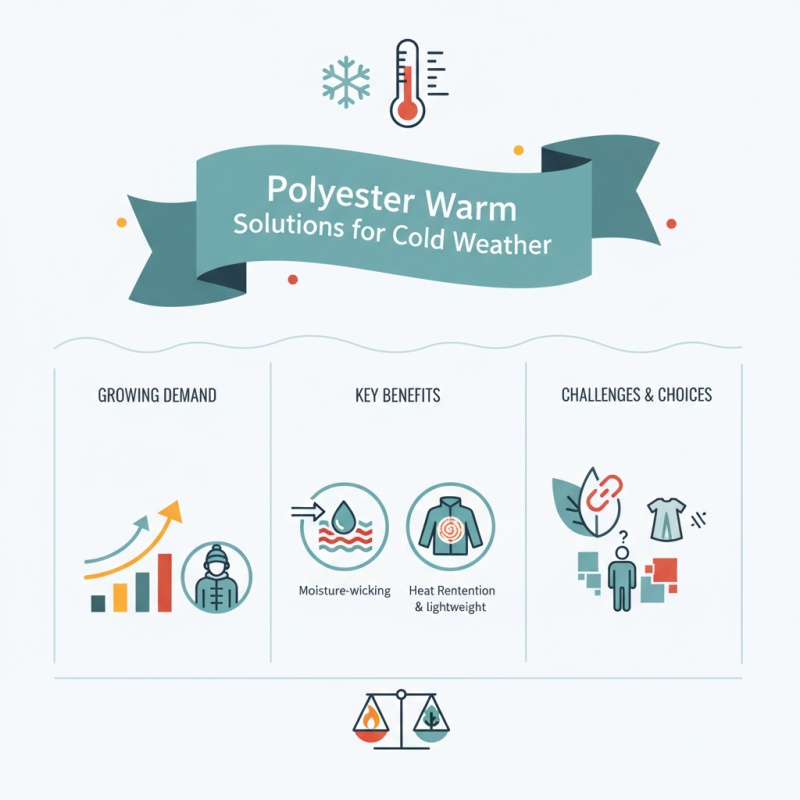
As winter approaches, finding effective solutions for cold weather is essential. Polyester warm clothing has become increasingly popular. According to a recent industry report by Market Research Future, the global demand for polyester-based fabrics is projected to grow at a CAGR of 5.2% from 2021 to 2028. This figure highlights the growing reliance on polyester for warmth.
Polyester warm garments are valued for their lightweight properties and moisture-wicking capabilities. They trap heat while allowing these breathable fabrics to dry quickly. Brands utilizing advanced polyester technologies report improved thermal efficiency. However, not all polyester products provide the same level of insulation. It's vital for consumers to evaluate fabric quality and insulation ratings carefully.
While polyester warm options are abundant, challenges remain. Environmental concerns about synthetic materials can cast a shadow. Not all manufacturers address sustainability. Additionally, wearers sometimes experience discomfort due to static cling or less-than-ideal fit. An informed choice requires balancing warmth, comfort, and sustainability. This exploration of polyester warm solutions aims to guide consumers through the complexities of cold weather attire.
Understanding Polyester and Its Benefits for Cold Weather Use
Polyester is a synthetic fabric known for its durability and insulating properties. It traps heat effectively, making it an excellent choice for cold weather. This material is lightweight yet robust, ensuring warmth without adding bulk. Its ability to wick moisture away helps keep the body dry and comfortable. Many outdoor enthusiasts trust polyester for its reliability against harsh conditions.
However, not all polyester products are created equal. Variations in weave and thickness can affect insulation levels. Cheaper options may lack the quality needed for extreme winter conditions. Therefore, investing in well-reviewed polyester items is essential. It’s also worth noting that blending polyester with other materials can enhance its thermal capabilities. Finding the right combination can lead to a more comfortable experience in cold weather.
While polyester has many benefits, there are some drawbacks. Over time, synthetic fabrics may retain odors. Regular washing and proper care can mitigate this issue. Another concern is environmental impact, as polyester is not biodegradable. Balancing comfort with sustainability is crucial. Thoughtful choices are vital to ensure both warmth and environmental responsibility.
Types of Polyester Fabrics Suitable for Warmth in Cold Conditions
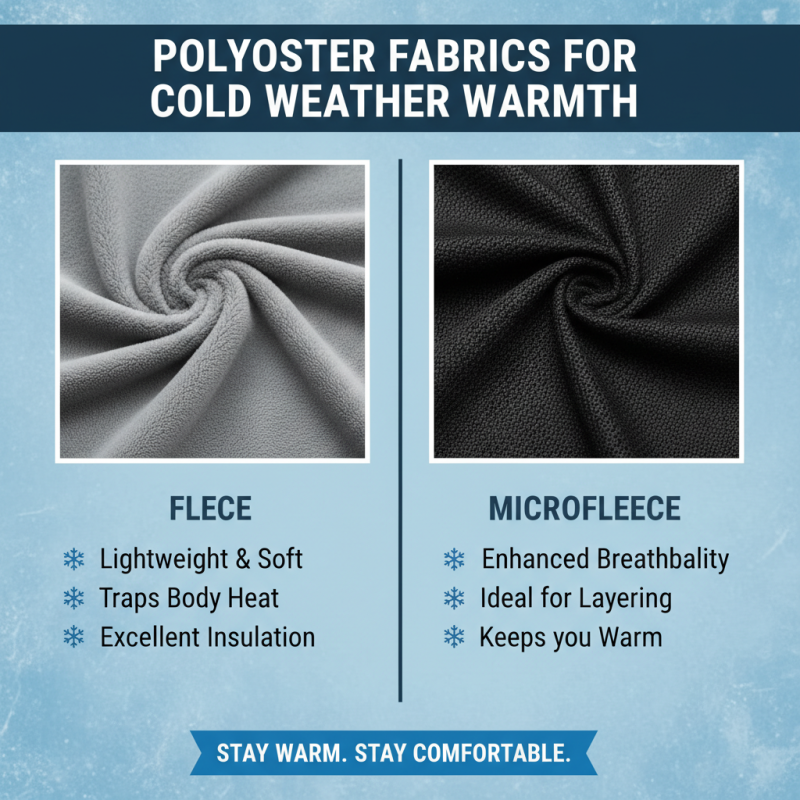
When choosing polyester fabrics for cold weather, several types stand out for their warmth and insulation properties. Fleece is a popular choice. It is lightweight, soft, and traps body heat effectively. Microfleece offers excellent breathability while keeping you warm. This makes it ideal for layering.
Another suitable option is fleece-lined polyester. This fabric features a plush lining that provides extra warmth without adding bulk. Additionally, textured polyester adds style and functionality. Its unique patterns not only look great but also enhance insulation.
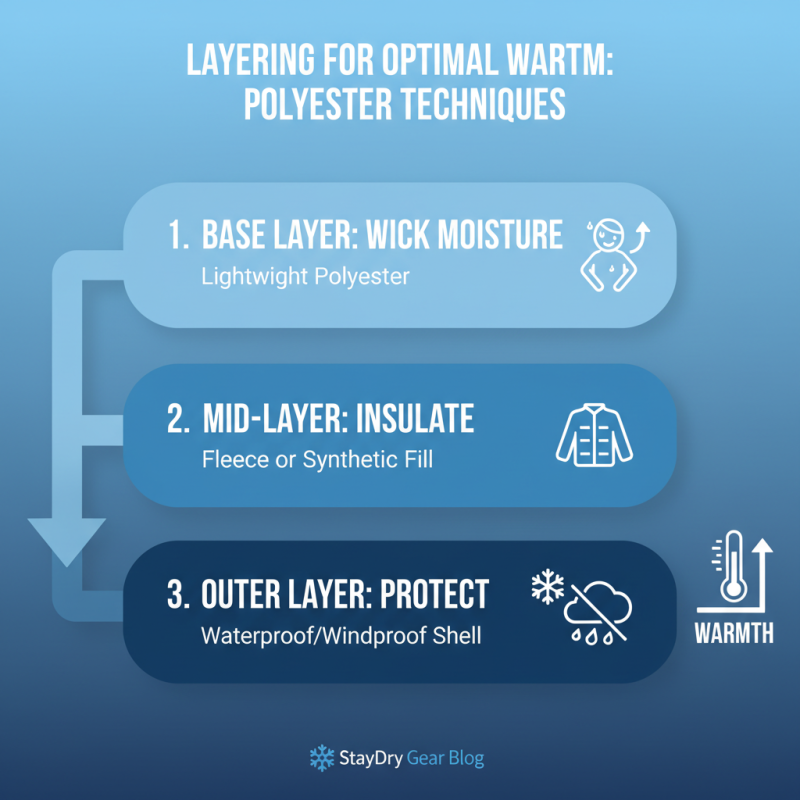
Tips: Always check for fabric weight. Heavier fabrics often provide better insulation. Don’t forget to layer with moisture-wicking materials. Staying dry is crucial in cold conditions. Experiments with various fabric combinations can lead to optimal comfort. If a jacket feels too tight with layers, it may not be the right fit. Take time to find the perfect balance between warmth and comfort in your clothing choices.
Care and Maintenance of Polyester Warm Clothing
Taking care of polyester warm clothing is essential for maintaining comfort in cold weather. Polyester is a popular fabric known for its durability and insulation. However, improper care can lead to a decrease in its effectiveness. Regular washing is crucial, but avoid high temperatures. They can damage the fibers and diminish warmth.
When washing, use a gentle cycle and cold water. This helps preserve the fabric. Air drying is preferred to prevent shrinkage. If you must use a dryer, choose a low heat setting. Be cautious with fabric softeners, as they can reduce moisture-wicking abilities. Instead, consider using dryer balls for softness without compromising performance.
Inspect your polyester garments for wear and tear regularly. Loose threads can lead to larger defects. Repair small holes promptly to prevent them from expanding. Store your polyester clothing in a cool, dry place. Avoid damp areas, as they can encourage mold growth. Following these care tips ensures your polyester warm clothing remains efficient and lasting.
Comparing Polyester with Other Fabrics for Cold Weather Performance
When considering cold weather fabrics, polyester stands out for its unique features. It is lightweight yet retains heat well. Unlike wool, polyester dries quickly, making it ideal for snowy conditions. It also resists moisture, which is crucial in freezing temperatures. However, some may find it less breathable than natural fibers like cotton.
Comparing polyester to fleece and down reveals interesting insights. Fleece offers warmth but can be bulkier. Down, while great for insulation, loses its effectiveness when wet. Polyester remains reliable in various situations. It offers durability that can withstand harsh weather conditions, although its longevity could be questioned in extreme scenarios. The choice ultimately hinges on the intended use and personal preferences. While polyester is efficient, exploring alternatives is always valuable.
Best Polyester Warm Solutions for Cold Weather Needs
| Fabric Type |
Thermal Insulation |
Moisture Wicking |
Breathability |
Durability |
| Polyester |
Medium |
High |
Medium |
High |
| Wool |
High |
Medium |
Medium |
Medium |
| Down |
Very High |
Low |
Low |
Medium |
| Nylon |
Medium |
Medium |
High |
Very High |
| Fleece |
High |
Medium |
Medium |
Medium |