Polyester vs Cotton Which Fabric is Better for Your Needs?
When it comes to choosing between Polyester V Cotton, understanding the unique properties of each fabric is essential. Industry experts highlight significant differences that affect performance. According to a report by the Textile Research Journal, polyester is known for its durability and moisture-wicking capabilities. In contrast, cotton is favored for its breathability and comfort.
Expert Dr. Emily Carter notes, "The choice between polyester and cotton should align with the specific needs of the user." This statement underscores the importance of considering personal preferences and usage scenarios, as our needs often dictate the best fabric. For instance, cotton excels in casual and relaxed settings, while polyester shines in activewear due to its resilience.
While polyester often outperforms cotton in terms of durability, it lacks the natural softness that many consumers appreciate. Cotton’s hypoallergenic properties make it a better choice for sensitive skin, although its vulnerability to wrinkling requires more maintenance. Reflecting on these factors can lead to informed decisions, but there’s much to consider in the Polyester V Cotton debate.
Polyester vs Cotton: Understanding Fabric Basics
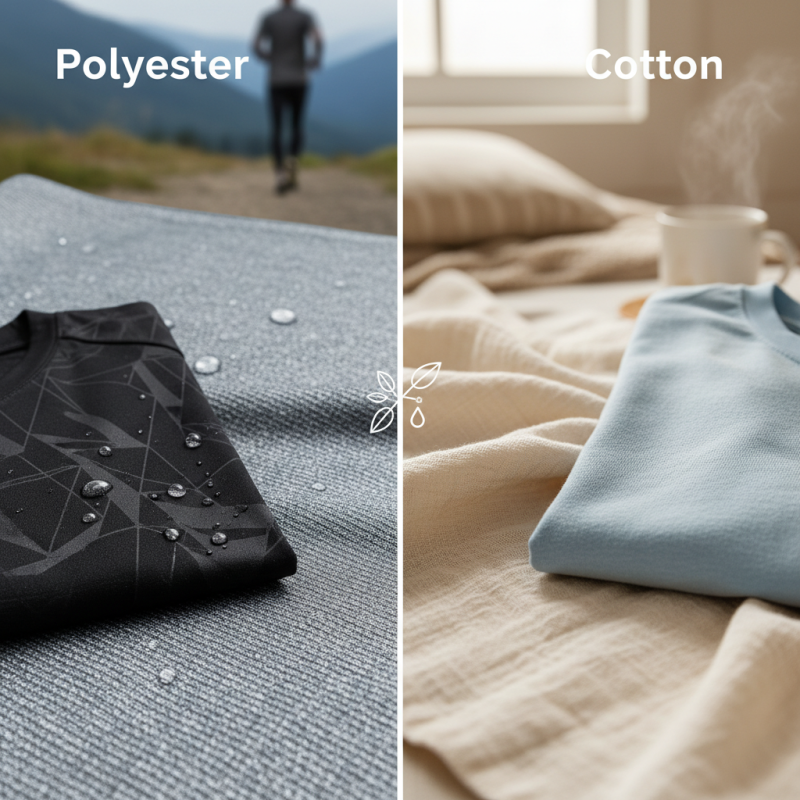
When comparing polyester and cotton fabrics, it’s essential to grasp their fundamental characteristics. Polyester, a synthetic fiber, often resists wrinkles, fading, and stretching. It retains its shape and dries quickly. A report from the Textile Department shows that polyester production has increased by over 60% in recent years, highlighting its growing popularity.
On the other hand, cotton is a natural fiber known for its breathability and softness. It absorbs moisture well, making it comfortable for warm weather. However, 100% cotton can shrink and wrinkle more easily. According to a study by the Cotton Research Institute, cotton accounts for nearly 30% of global fabric production. Its demand remains steady due to consumers favoring its eco-friendly nature.
Tip: When choosing between these fabrics, consider your needs. For activewear, polyester might be more suitable due to its moisture-wicking properties. However, if comfort is your priority, cotton could be the better choice. Balance practicality with personal preference for optimal results.
Ultimately, fabric choice involves individual circumstances. Each material has strengths and weaknesses. Reflecting on your specific needs helps clarify which fabric serves you best.
Polyester vs Cotton Comparison Table
| Feature |
Polyester |
Cotton |
| Material Type |
Synthetic |
Natural |
| Breathability |
Moderate |
High |
| Moisture Wicking |
Excellent |
Poor |
| Durability |
High |
Moderate |
| Environmental Impact |
Higher |
Lower |
| Cost |
Generally Lower |
Generally Higher |
Benefits of Polyester: Durability and Maintenance
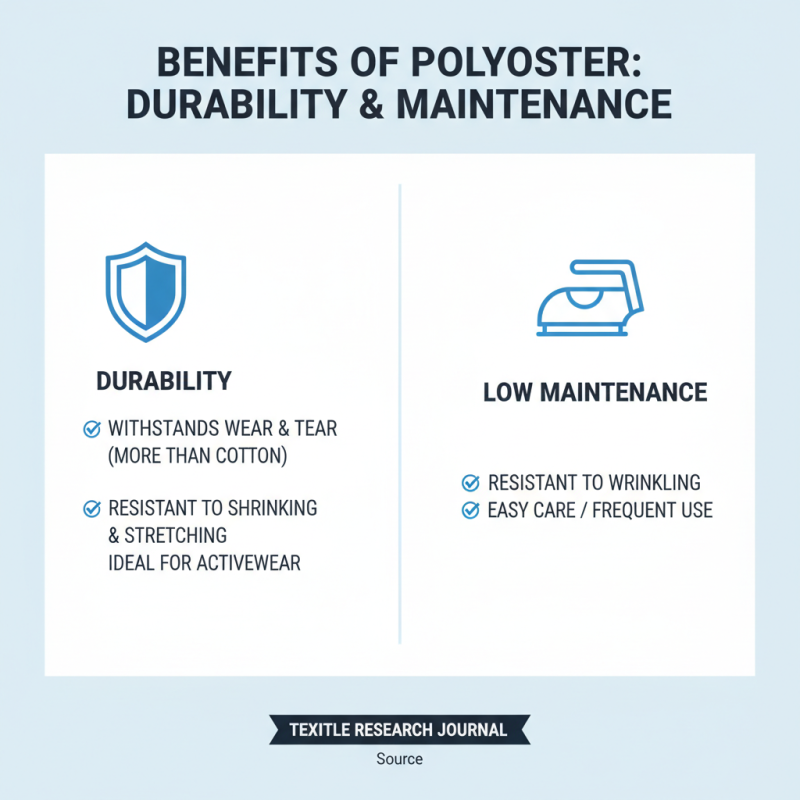
Polyester has become a popular choice for many due to its durability and low maintenance requirements. According to a recent report by the Textile Research Journal, polyester fabrics can withstand more wear and tear compared to cotton. This is particularly beneficial for clothing items that are subject to frequent use. Polyester is resistant to shrinking, stretching, and wrinkling, making it ideal for activewear and everyday clothing.
Maintaining polyester is straightforward. It is often machine washable and dries quickly, which saves time. The water absorption rate is significantly lower than cotton, leading to quicker drying times. However, it might not breathe as well as cotton, causing potential discomfort in hot environments. According to a study by the American Society for Testing and Materials, polyester retains color and resists fading better than cotton after repeated washes.
Tips for mixing fabrics: Pair polyester with breathable materials for a comfortable fit. Check labels for care instructions to ensure longevity. It’s also wise to test fabric against your skin to assess comfort. Remember, the right fabric choice hinges on your specific needs and activities.
Advantages of Cotton: Comfort and Breathability
Cotton has long been celebrated for its comfort and breathability. This natural fiber is soft against the skin, making it an ideal choice for everyday wear. Many people appreciate how cotton allows air to circulate, keeping the body cool in hot weather. This benefit is particularly important for those who lead active lifestyles. When exercising or simply spending time outdoors, cotton's breathability can make a noticeable difference.
Moreover, cotton is hypoallergenic, which means it is less likely to irritate the skin. This quality is essential for individuals with sensitive skin or allergies. The fabric absorbs moisture well, helping to wick sweat away from the body. However, some may find that cotton can retain odors after heavy use. Washing it regularly can help, but this is a factor to consider.
Quality can vary widely among cotton fabrics. Not all cotton is created equal, and this is where some reflection is needed. It’s crucial to explore different types and blends of cotton to find the ideal option. While it provides undeniable comfort, its durability can sometimes be lacking compared to synthetic fibers. Cotton garments may wear out faster after repeated washes. Balancing comfort with practicality is key when choosing the right fabric for your needs.
Comparative Analysis: Performance in Different Weather Conditions
When considering the performance of polyester and cotton in various weather conditions, it's clear that these fabrics respond differently. Polyester is known for its moisture-wicking properties. According to the Textile Research Journal, polyester can dry up to four times faster than cotton. This feature makes it ideal for high-humidity environments or workouts, where sweat management is essential.
Cotton, on the other hand, excels in terms of comfort. It allows better air circulation, making it a favorite in hot and dry conditions. A report from the Cotton Incorporated states that cotton absorbs moisture while still feeling cool against the skin. However, in humid weather, cotton can become heavy when wet, making it less adaptable than polyester. This could be a significant drawback for individuals engaging in outdoor activities.
Interestingly, while polyester offers durability, it can retain odors more than cotton. Research indicates that synthetic fabrics can harbor bacteria that cause unpleasant smells. This can lead to negative experiences for users. Evaluating your specific needs is essential. The choice between polyester and cotton hinges on understanding these variables, highlighting the importance of fabric performance in addressing your requirements.
Eco-Friendliness: Sustainability of Polyester vs Cotton
When comparing the eco-friendliness of polyester and cotton, it's vital to consider sustainability. Cotton, a natural fiber, requires significant water resources. Reports suggest it takes about 2,700 liters to produce a single cotton t-shirt. While organic cotton is more sustainable, traditional farming practices can lead to pesticide pollution.
In contrast, polyester is made from petroleum. Its production emits more greenhouse gases than cotton. However, recycled polyester can reduce these impacts significantly. Studies indicate that using recycled polyester can save up to 76% of energy compared to new polyester.
When choosing fabrics, consider these tips:
- Opt for organic cotton to minimize environmental impacts.
- Look for clothing made from recycled polyester to support circular fashion.
- Assess the lifecycle of the product, from production to disposal, to understand its full environmental footprint.
Both fabrics have pros and cons. For instance, polyester is durable but may contribute to microplastic pollution. Cotton is biodegradable but often water-intensive. Weigh these factors against your needs for sustainability and comfort.
Eco-Friendliness: Sustainability of Polyester vs Cotton