- +86 13957580925
- 510515850@qq.com
- adela0928@163.com

Choosing the best Pure Polyester fabric supplier in China requires more than comparing prices. Buyers must examine quality, production experience, communication, and long-term reliability. A polished website cannot replace verified factory evidence.
In this guide, we explore how experienced sourcing teams evaluate Chinese polyester manufacturers. Key details include yarn quality, fabric weight, width tolerance, color consistency, shrinkage, and surface performance. A dependable supplier should provide clear specifications, practical samples, and accurate production timelines. Factory audits can reveal important details, such as clean storage areas, calibrated testing equipment, and organized inspection records. These small signs often matter more than impressive marketing language.
Certifications and test reports also deserve careful review. However, documents should match the actual factory and specific fabric. Some suppliers present broad claims without explaining testing conditions. That should encourage deeper questions, not immediate rejection. No supplier is flawless. Even an experienced manufacturer may face delays, shade differences, or communication gaps during busy seasons. The better question is how openly the company responds and corrects problems.
Price still matters, but the lowest quotation can create hidden costs. Rejected rolls, unstable dye lots, and missed shipping dates may damage an entire collection. We will compare supplier capabilities, customization support, quality control, and buyer feedback. The goal is not to name a supplier casually. It is to help importers make a careful decision based on evidence, fabric performance, and realistic business needs.
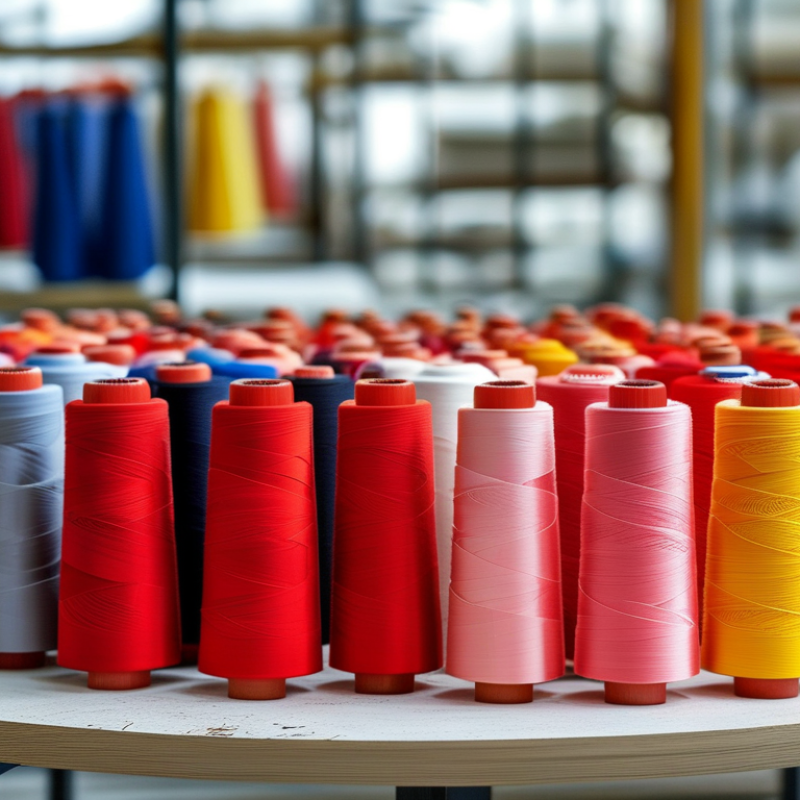
Pure polyester fabric is made entirely from polyester fibers, usually derived from PET polymer. It contains no cotton, rayon, nylon, or elastane. A fabric may feel soft like cotton after brushing, yet its fiber content remains polyester. Check the technical specification, fiber label, and independent test report before judging it by touch. A reliable Chinese supplier should explain filament or spun yarn details, fabric weight, width, weave, and finishing process clearly. These details affect durability, drape, color retention, and price.
In practical fabric inspection, pure polyester often shows strong abrasion resistance and quick drying. It also resists wrinkles during packing and repeated washing. However, it may retain static and feel warm in poorly designed garments. Heat can also damage the surface or create shine. I once focused too much on softness and overlooked poor dimensional stability. That was a useful mistake. A small wash test can reveal shrinkage, twisting, color transfer, or surface pilling before bulk production.
Tips: Request a labeled sample, test report, and production swatch. Compare the fabric before and after washing. Ask whether the finish changes the hand feel, because finishing can hide weaknesses. Confirm batch consistency with a simple weight and width check. Good documentation matters. Suppliers who welcome these questions usually provide more dependable polyester fabric.
| Evaluation Dimension | Typical Technical Requirement or Fact | Why It Matters When Selecting a Supplier | Recommended Verification Method |
|---|---|---|---|
| Fiber Composition | 100% polyester, generally made from polyethylene terephthalate (PET), with no cotton, viscose, nylon, or elastane blended into the fabric. | Confirms that the material meets the definition of pure polyester and provides consistent performance in production. | Request a fiber-composition test report based on ISO 1833 or an equivalent recognized method. |
| Moisture Regain | Approximately 0.4% under standard atmospheric conditions, although finishing treatments can affect moisture behavior. | Low moisture regain supports quick drying but may provide less natural moisture absorption than cotton or regenerated cellulose fibers. | Review laboratory data and, where relevant, test moisture management using an appropriate textile performance method. |
| Fabric Weight | Common commercial constructions may range from approximately 60 to 300 g/m², depending on the intended end use. | Fabric weight affects drape, opacity, durability, shipping cost, and suitability for apparel, lining, home textiles, or industrial applications. | Compare pre-production samples with the agreed specification and test mass per unit area according to ISO 3801 or an equivalent standard. |
| Tensile Strength and Tear Resistance | Performance varies significantly with yarn type, weave or knit construction, fabric weight, and finishing process. | Adequate strength reduces seam failure, tearing, and damage during cutting, sewing, washing, and final use. | Set minimum values in the purchase specification and test according to ISO 13934-1 and ISO 13937-2, where applicable. |
| Dimensional Stability | Shrinkage depends on yarn preparation, fabric construction, heat-setting, dyeing, and finishing; it must be controlled to the buyer’s tolerance. | Stable dimensions help maintain garment fit, pattern accuracy, and repeatable production results. | Perform washing or heat-treatment tests using the care conditions specified for the final product. |
| Colorfastness | Required performance should cover washing, rubbing, perspiration, and light exposure; acceptable ratings depend on the end use. | Good colorfastness reduces shade transfer, fading, customer complaints, and product returns. | Request shade standards and test reports based on ISO 105 series methods or the buyer’s specified standard. |
| Chemical and Product Safety | The fabric should comply with applicable restricted-substance requirements and should be free from prohibited or excessive chemical residues. | Safety compliance is essential for import clearance, customer protection, and access to regulated markets. | Use independent laboratory testing against the destination market’s requirements, such as REACH-related restrictions where applicable. |
| Production Consistency | Batch-to-batch control should cover width, weight, shade, construction, surface appearance, and finishing performance. | Consistent output is more important than a low sample price when repeat orders and large-volume production are involved. | Approve a sealed reference sample, require a pre-shipment inspection, and compare production rolls with the approved standard. |
| Customization Capability | A capable supplier should be able to discuss filament or spun yarn, woven or knitted construction, weight, width, color, coating, and finishing options. | Technical flexibility helps match the fabric to the product rather than forcing the product to fit a standard fabric. | Evaluate sample development speed, technical communication, minimum order quantity, and approval procedures. |
| Sustainability Documentation | Recycled polyester should be clearly identified as recycled content, with traceability and certification where a recycled-content claim is made. | Transparent documentation helps prevent inaccurate sustainability claims and supports customer or regulatory requirements. | Request transaction certificates or other verifiable chain-of-custody documentation when certified recycled content is required. |
| Quality Control and Delivery | A reliable supplier should define inspection procedures, roll length tolerance, packaging standards, lead time, and corrective-action processes. | Clear operational controls reduce late deliveries, unusable rolls, claims, and production interruptions. | Review quality records, inspect randomly selected rolls, and include measurable acceptance criteria in the sales contract. |