Best Sheer Polyester Fabrics for Your Next Project?
In the world of textile design, sheer polyester fabrics have gained immense popularity. These lightweight materials are not only versatile but also affordable and durable. According to the Textile World report, the sheer fabric market is projected to grow by 5% annually. This growth highlights the increasing demand for sheer polyester in various applications, from fashion to home decor.
Sheer polyester offers a soft, airy feel while allowing light to pass through. Designers often look for this quality to create elegance in their projects. A survey conducted by Fabric Market Insights indicates that 70% of textile designers prefer sheer polyester for its drapability and ease of care. Despite its benefits, one must consider the environmental impact of synthetic fabrics.
Many shear polyester fabrics may not be biodegradable. This raises questions about sustainability in the textile industry. As designers, it’s crucial to weigh options and seek eco-friendly practices. While sheer polyester remains a staple, exploring alternatives could lead to more sustainable design solutions.
Understanding Sheer Polyester Fabrics: Properties and Benefits
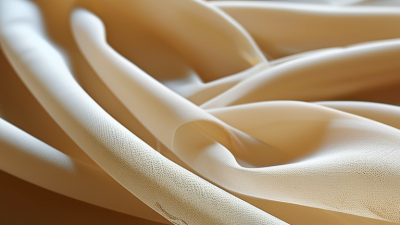
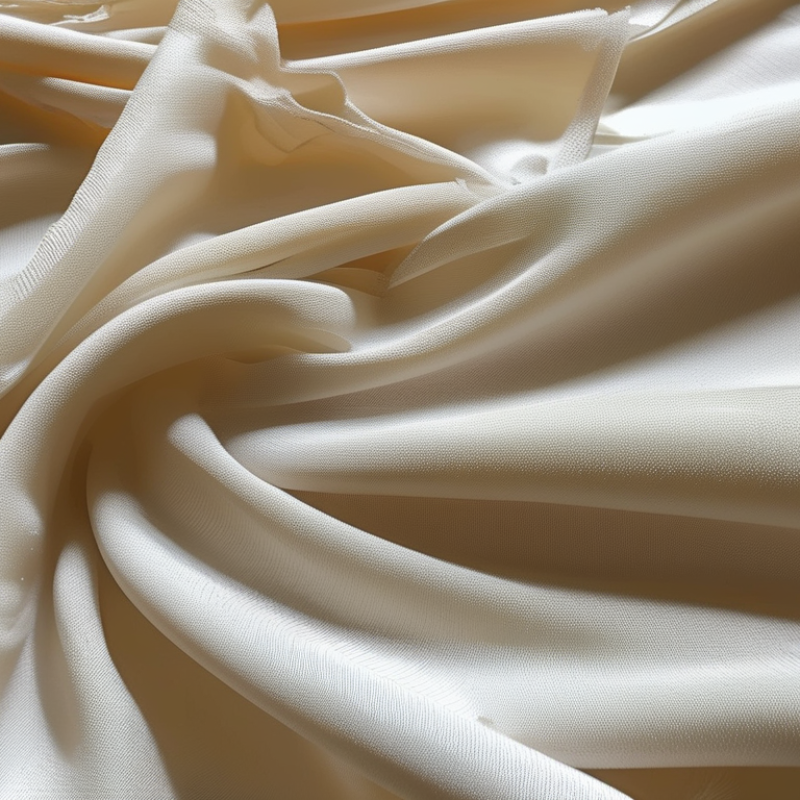
Sheer polyester fabrics are a popular choice for various sewing projects. They offer a lightweight feel that is perfect for garments like blouses and dresses. These fabrics allow light to filter through, creating a soft and delicate appearance that many find appealing.
In terms of properties, sheer polyester is known for its durability and resistance to wrinkling. It can withstand regular wear and tear, making it a reliable option for everyday clothing. However, working with sheer fabrics can be tricky. You might experience fraying edges or difficulty in achieving precise seams. Choosing the right tools, such as sharp scissors and appropriate needles, is essential for better results.
Consider these tips when working with sheer polyester. Use a fine needle to prevent snagging. Always test your sewing machine's tension settings on a scrap piece first. It's also wise to keep fabric straight while cutting. This will help avoid distortion. Remember that sheer fabrics can be see-through. Always plan your project around this characteristic, and consider lining if needed.
Popular Types of Sheer Polyester Fabrics Used in Fashion Design
Sheer polyester fabrics have gained popularity in fashion design due to their versatility and lightweight properties. Designers often favor these materials for garments that require a hint of elegance. According to the Global Market Insights report, the demand for sheer fabrics has been increasing by approximately 7% annually, reflecting a growing trend in the fashion sector.
There are several popular types of sheer polyester fabrics commonly used in fashion design. Chiffon is known for its soft and flowing nature, making it perfect for layered dresses. Georgette, with a slightly crisper texture, is popular for blouses and skirts that require a bit more structure. Tulle, often used for accents or overlays, adds volume and depth to various styles. However, working with these fabrics can be challenging, as their delicate nature requires specialized sewing techniques.
Despite their aesthetic appeal, sheer fabrics can sometimes pose problems. They often fray easily, which can lead to jagged edges if not handled correctly. Furthermore, the care required for these materials can be intensive. Some fabrics might lose their shape or sheen after washing. Designers must weigh their options carefully to maximize the beauty and longevity of their creations.
Key Applications of Sheer Polyester Fabrics in Home Decor
Sheer polyester fabrics are increasingly popular in home decor. Their lightweight and translucent characteristics make them a versatile choice for various applications. According to the Research Institute of Textile and Apparel, global demand for sheer fabrics has risen by 25% over the past five years. This surge highlights the fabric’s growing significance in creating elegant and airy spaces.
In residential interiors, sheer polyester is often used for window treatments. Curtains made from this material allow natural light to filter through while offering a sense of privacy. Designers appreciate its ability to soften harsh sunlight without blocking it entirely. A report from the Interior Design Association notes that sheer curtains can reduce energy costs by up to 15% through effective light management. However, maintaining these fabrics is crucial. Their delicate nature can lead to issues like fraying or discoloration if not cared for properly.
Beyond window coverings, sheer polyester is also employed in decorative elements such as table overlays and soft furnishings. Its drapability allows for creative layering, essential for contemporary design. Yet, there are challenges. The fabric can be prone to static cling and may require frequent cleaning to preserve its appearance. When integrating sheer polyester into home decor, thoughtful consideration is key. The right balance can enhance the aesthetic while addressing practical concerns.
Comparative Analysis: Sheer Polyester vs. Other Sheer Fabrics
When comparing sheer polyester to other sheer fabrics, it’s essential to consider several factors. Sheer polyester is favored for its durability and affordability. Unlike silk or chiffon, it does not fray easily. This quality makes it an excellent choice for projects that require a touch of elegance without high maintenance. However, some may find it less breathable than natural fabrics.
If you're looking for something lightweight, chiffon is a great alternative. It boasts a delicate texture, lending an airy feel to garments. On the downside, it can be challenging to sew. Silk also offers luxury but comes with a higher price tag. It’s more prone to damage from sunlight and water, reducing its durability compared to polyester.
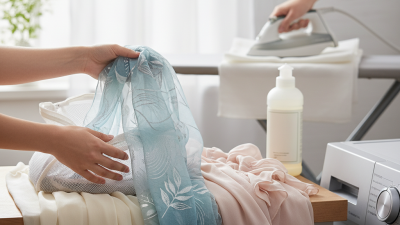
For project success, understanding the fabric's properties is vital. Examine the weight and drape before selecting. Testing samples can reveal how the fabric behaves in different settings. Always pre-wash your materials to avoid surprises. This practice helps prevent shrinking and maintains the integrity of your finished item.
Choosing the Right Sheer Polyester Fabric for Your Project Needs
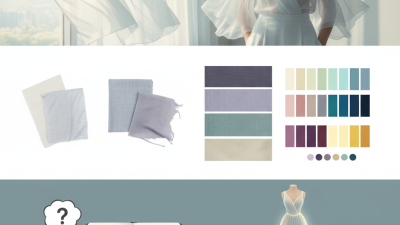
When embarking on a new project that requires sheer polyester fabric, understanding your specific needs is crucial. The fabric's weight, texture, and translucency can significantly impact your final product. Reports from the Textile World suggest that sheer polyester options come in weights ranging from 1.5 to 5 ounces per yard, enabling a variety of applications from delicate curtains to stylish apparel.
Selecting the right sheer polyester also involves evaluating its breathability and draping qualities. A study published in the Journal of Textile Research indicates that higher-quality sheer polyester often offers enhanced durability and resistance to wear and tear. Fabrics with a tighter weave generally provide better light filtration while maintaining softness. One must balance these factors to achieve the desired aesthetic and functionality.
However, it is essential to acknowledge common pitfalls. Many designers skimp on fabric tests, leading to unexpected issues in their finished pieces. Choosing a fabric solely based on color or price can compromise quality and longevity. Engaging in thorough research and sampling various sheers is valuable. Ultimately, understanding the intricate details of sheer polyester will position your project for success.
Best Sheer Polyester Fabrics for Your Next Project