Why Choose Polyester Terry Fabric for Your Next Project?
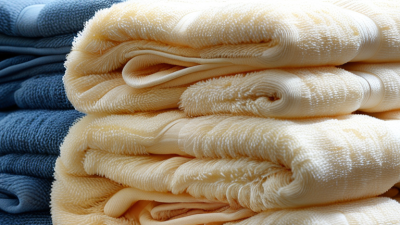
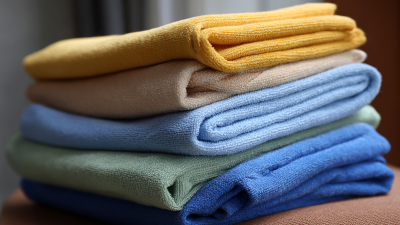
When it comes to selecting materials for your next project, Polyester Terry Fabric stands out. This versatile fabric offers a unique blend of softness and durability, making it ideal for various applications. Its plush texture feels comfortable against the skin, which is why many choose it for towels, robes, and clothing.
Polyester Terry Fabric is not only soft but also highly absorbent. It quickly soaks up moisture, which is essential for products like bath linens. However, some users may find that it doesn't always dry as quickly as expected. This can be a point of reflection when considering fabric choices.
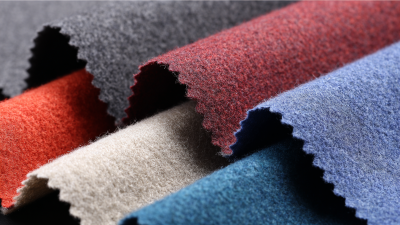
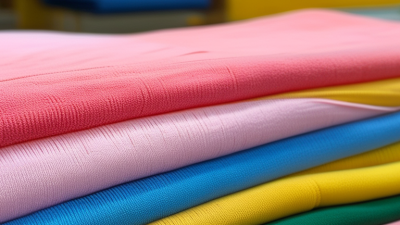
In addition to its practical benefits, this fabric comes in a range of colors and patterns. This variety allows for creative freedom in design. Yet, while Polyester Terry Fabric holds many advantages, it's important to consider the environmental impact of polyester production. Balancing quality with sustainability can be challenging. Overall, Polyester Terry Fabric remains a strong contender for those seeking functionality and comfort in their projects.
Understanding Polyester Terry Fabric: Definition and Properties
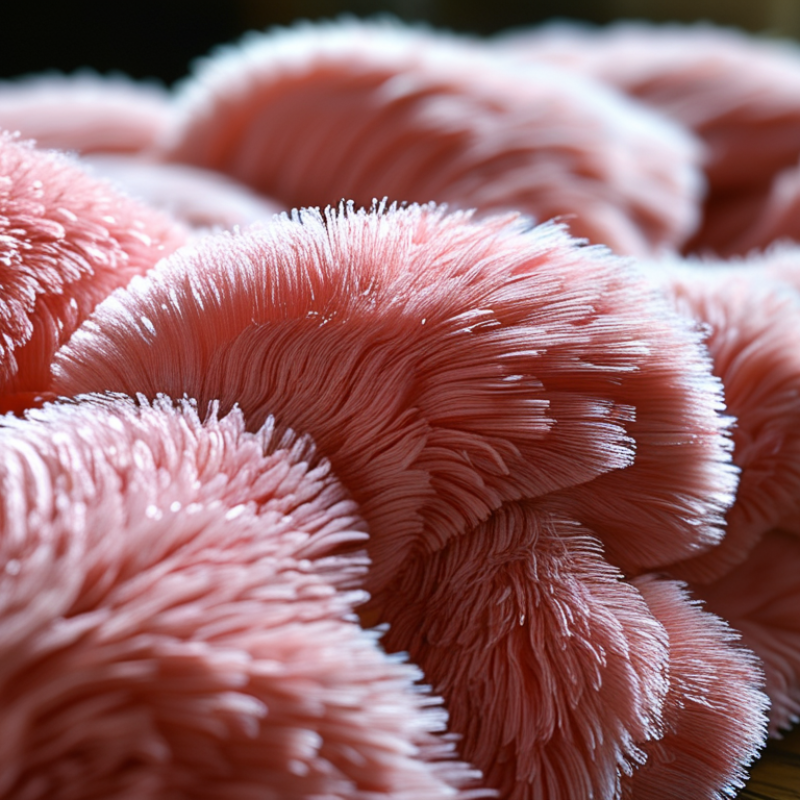
Polyester terry fabric is a versatile material that has gained popularity in various industries. It is made from synthetic fibers, primarily polyester, offering unique qualities. This fabric is characterized by its looped surface, which gives it a soft and absorbent nature. According to the Textile World magazine, polyester terry is known for its durability and ability to withstand repeated washings without losing its shape or texture.
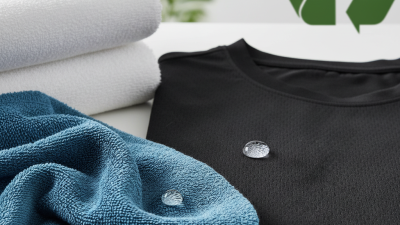
The properties of polyester terry fabric make it a favored choice for both practical and aesthetic applications. Its moisture-wicking capabilities allow it to easily absorb water and dry quickly, making it ideal for towels and activewear. Moreover, the fabric can be dyed in vibrant colors, maintaining its color saturation even after numerous washes. In fact, data from the American Association of Textile Chemists and Colorists indicates that polyester retains dye better than many natural fibers, ensuring long-lasting vibrancy.
While the advantages are significant, there are challenges to consider. For instance, the environmental impact of synthetic fibers is under scrutiny, with calls for sustainability in textile production. Additionally, some users may find that polyester terry lacks the breathability of natural fabrics, which can be uncomfortable in warm climates. Thus, it's crucial to assess both the strengths and limitations of polyester terry when deciding on materials for your next project.
Why Choose Polyester Terry Fabric for Your Next Project?
| Property |
Description |
| Material Composition |
100% Polyester |
| Texture |
Soft and plush, similar to cotton terry |
| Absorbency |
Good moisture-wicking properties |
| Durability |
Highly durable and resistant to wear |
| Color Retention |
Excellent colorfastness, does not fade easily |
| Care Instructions |
Machine washable, quick drying |
| Common Uses |
Bath towels, robes, activewear, and upholstery |
Advantages of Using Polyester Terry Fabric in Various Projects
Polyester terry fabric stands out for its versatility and functionality. This fabric combines the absorbent qualities of traditional terry cloth with the durability of polyester. According to industry reports, polyester fibers are known to resist shrinking and stretching better than natural fibers, making them ideal for various applications. This resilience can help projects maintain their shape and quality over time.
One significant advantage of polyester terry fabric is its moisture-wicking properties. Studies indicate that fabrics with such qualities are crucial in athletic and activewear sectors, where sweat management is vital. Additionally, the fabric is lightweight and dries quickly, addressing the needs of both consumers and manufacturers. The durability of polyester terry can lead to reduced maintenance costs, as it withstands multiple washes without losing its integrity.
However, some might question the sustainability of using synthetic fabrics like polyester. While it’s true that recycling options exist, the reliance on petroleum-based materials raises concerns about environmental impact. It’s essential for project creators to weigh these factors carefully. Balancing performance benefits with eco-friendly considerations will shape the future of fabric choices in various industries.
Applications of Polyester Terry Fabric in Fashion and Home Decor
Polyester terry fabric stands out in both fashion and home decor applications due to its unique texture and versatility. With its looped surface, this fabric is incredibly soft and absorbent. A recent industry report indicated that the global polyester fabric market is expected to grow by 4.5% annually over the next five years. This growth is fueled by demand in various sectors, including apparel and home furnishings.
In fashion, polyester terry fabric is often found in activewear, loungewear, and casual clothing. Its moisture-wicking properties make it ideal for fitness apparel. Designers appreciate its durability and ease of maintenance. In home decor, this fabric is used for towels, bathrobes, and cozy throw blankets. It adds comfort and warmth. A survey revealed that 70% of consumers prefer soft fabrics for their home textiles, highlighting a strong market preference.
While polyester terry fabric is widely favored, it’s important to consider its environmental impact. The production of polyester can be resource-intensive. Manufacturers are increasingly exploring sustainable alternatives. This is a critical area for reflection within the industry. Further innovation could help balance the demand for comfort with ecological responsibility. As awareness grows, the future of polyester terry fabric may hinge on these developments.
Applications of Polyester Terry Fabric
Care and Maintenance Tips for Polyester Terry Fabric Items
Polyester terry fabric is known for its softness and durability, making it a popular choice for various projects. However, proper care is essential to keep your items looking their best. Here are some valuable tips for maintaining polyester terry fabric.
Always wash polyester terry items in cold water. Hot water can cause the fabric to shrink or lose its shape. Avoid using bleach, as it can discolor or weaken the fibers. Instead, opt for a mild detergent to preserve the vibrant colors. Air drying is preferred; however, if you must use a dryer, choose a low heat setting to prevent damage.
Regular maintenance is key. Shake out your fabric items after washing to remove excess water and minimize wrinkles. You may notice piling over time, which can be frustrating. Use a fabric shaver to gently remove these pills without damaging the surface. Be mindful of the care labels and follow the recommended guidelines for specific items.
Storing polyester terry items correctly can extend their lifespan. Keep them in a cool, dry place, away from direct sunlight. Folding them neatly helps maintain their shape, preventing creases. Be aware that some items may need occasional refreshment in terms of texture and color. Regular care will enhance the fabric's longevity while keeping it looking fresh.
Comparative Analysis: Polyester Terry vs. Other Fabric Options
When considering fabric options for your next project, polyester terry offers distinct advantages over other materials. Its plush texture is not only comfortable but also highly absorbent. According to industry reports, polyester terry can absorb up to 10 times its weight in water, making it ideal for towels and activewear. This feature sets it apart from cotton, which, while soft, lacks this level of absorbency.
Comparatively, cotton has a natural appeal but is susceptible to shrinking and fading. A study conducted by the Textile Research Journal highlighted that polyester fabrics maintain their shape and color better over time. This durability makes polyester terry a reliable choice, especially for items subject to frequent washing. However, it’s essential to consider environmental impact as polyester is a synthetic fabric.
Other alternatives, such as blends, sometimes struggle to match polyester terry in absorbency and lifespan. For instance, rayon blends may look good initially but often lose their integrity after several washes. However, some consumers find the origin of the material important and may prefer organic cotton for sustainability. Awareness of these factors can guide your choice effectively.