How to Choose the Right Siliconized Polyester for Your Needs?
Choosing the right Siliconized Polyester can significantly impact your projects. The balance between performance and durability is crucial. Siliconized Polyester offers unique benefits, including resistance to moisture and enhanced fabric strength. However, not all Siliconized Polyester is created equal.
Consider the intended use of this material. Whether for outdoor gear or upholstery, your choice should reflect specific requirements. Factors like weight, finish, and breathability matter. The market provides various options, which can be overwhelming.
Each project may require a different type of Siliconized Polyester. Knowing how to differentiate between them ensures the best results. This guide aims to clarify your options and assist in making an informed choice. What works for one application may not work for another, so taking time to evaluate is essential.
Understanding the Properties of Siliconized Polyester Materials
Siliconized polyester is a versatile material, known for its durability and performance-enhancing properties. Understanding its unique characteristics can greatly aid in selecting the right type for your application. Siliconized polyester typically offers improved water resistance and a slick surface, which makes it ideal for various uses. Industry reports indicate that the global siliconized polyester market is expected to grow significantly, driven by demand in automotive and textile applications.
When considering this material, evaluate its tensile strength and flexibility. Many reports highlight that siliconized polyester can withstand extreme conditions, making it suitable for outdoor environments. However, potential users should be aware of its limitations. In colder climates, the material may become less pliable. Always test for specific requirements beforehand.
Tip: Check for certifications and ensure suppliers conduct regular quality assessments. This will help in selecting a reliable product.
Another key factor is resistance to chemicals and UV light. Siliconized polyester often excels in these areas; still, not all variations perform equally. Some might lack adequate UV protection. Seek advice from industry experts if unsure about your choice.
Tip: Always consult technical data sheets for detailed specifications before making a decision. This ensures you understand the material’s capabilities and limitations.
Evaluating the Performance of Siliconized Polyester in Various Applications
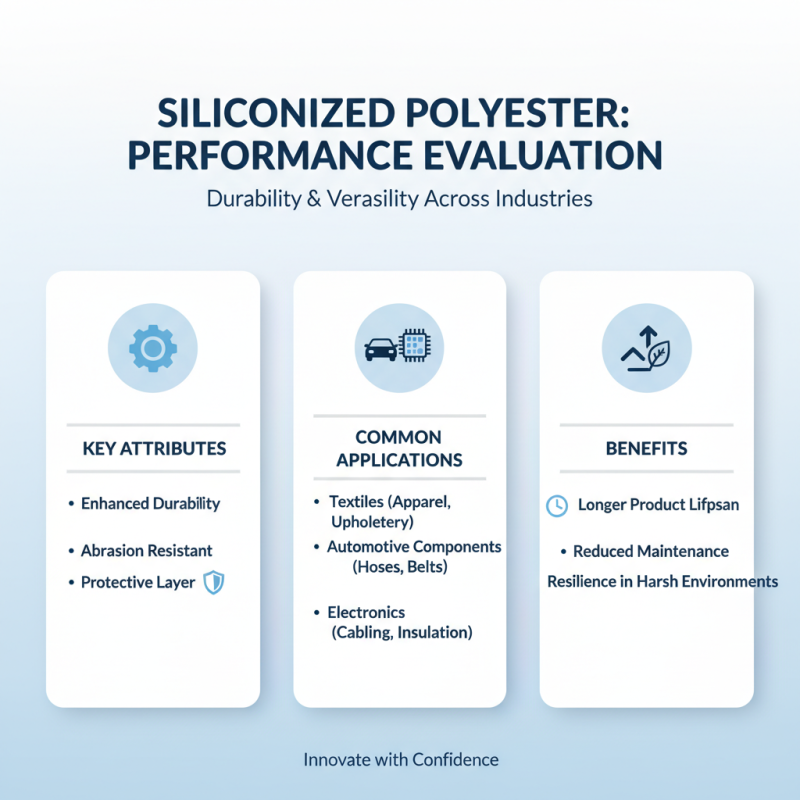
When evaluating the performance of siliconized polyester, consider its application. This material is commonly used in textiles, automotive components, and even electronics. Its resilience against wear and abrasion makes it suitable for various environments. Siliconized polyester adds a protective layer that enhances durability. This leads to longer-lasting products and reduced maintenance efforts.
In the textile industry, siliconized polyester offers a smoother texture. It reduces friction during wear, which enhances comfort. This makes it ideal for clothing and upholstery. However, not all siliconized polyester is created equal. Variations in manufacturing can affect its performance. It’s essential to assess the specific needs of your project. Testing samples can reveal variances in texture and durability.
In automotive applications, siliconized polyester can withstand high temperatures. It helps in sealing and insulation. Still, it may age differently based on environmental factors. Sun exposure might weaken the material's protective properties. Regular assessments are necessary to ensure continued performance. Evaluating the specific conditions of use is critical to selecting the right variant for your needs.
Comparing Cost-Effectiveness: Siliconized Polyester vs. Other Fabrics
When evaluating siliconized polyester, cost-effectiveness is a crucial aspect. Industry reports indicate that siliconized polyester often outperforms traditional fabrics, such as cotton and nylon, in terms of durability and maintenance costs. For instance, a study by the Fiber Industry Association revealed that siliconized polyester retains its shape and color better than other fabrics, reducing the need for replacements.
Additionally, siliconized polyester is water-resistant, which lowers cleaning costs. According to textile analysis published in the Journal of Textile Science, siliconized polyester can resist water absorption by up to 90%. This property not only extends its lifespan but also offers better value over time compared to other materials. Comparatively, cotton absorbs moisture, leading to quicker wear and more frequent replacement.
However, it's essential to consider the initial investment. Siliconized polyester may have a higher upfront cost compared to standard materials. Yet, long-term savings often outweigh this. In sectors like outdoor apparel, the durability and performance of siliconized polyester can yield significant savings. Reflecting on these aspects can guide consumers in making informed decisions that align with their needs and budget.
How to Choose the Right Siliconized Polyester for Your Needs? - Comparing Cost-Effectiveness: Siliconized Polyester vs. Other Fabrics
| Fabric Type |
Cost per Yard ($) |
Durability (Years) |
Water Resistance |
Breathability |
Use Cases |
| Siliconized Polyester |
$8.00 |
7-10 |
High |
Moderate |
Outdoor Gear, Linings |
| Nylon |
$6.50 |
5-7 |
Moderate |
High |
Activewear, Bags |
| Cotton |
$5.00 |
3-5 |
Low |
High |
Casual Wear, Bedding |
| Polyester |
$7.00 |
6-8 |
Moderate |
Moderate |
Clothing, Upholstery |
| Taffeta |
$9.00 |
4-6 |
High |
Low |
Lining, Formal Wear |
Identifying Industry Standards and Certifications for Siliconized Polyester
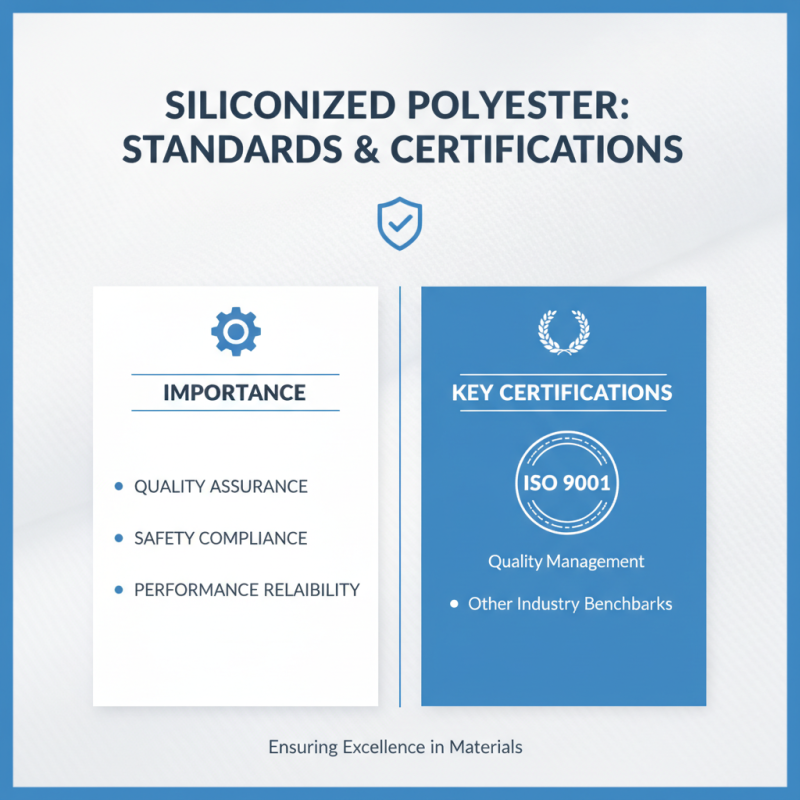
When selecting siliconized polyester, understanding industry standards and certifications is crucial. Various organizations set these benchmarks. They ensure quality, safety, and performance. Look for certifications like ISO 9001. This indicates a commitment to quality management.
Additionally, you may encounter certifications like OEKO-TEX. This assures that the fabric is free from harmful substances. Such certifications enhance trust in your material choice. Not all suppliers may have these. It’s vital to verify their claims to avoid potential quality issues.
Tips: Always ask for documentation about certifications. Request samples to test before large orders. Ensure the polyester meets the requirements for your intended application. Quality can vary significantly. Take time to evaluate different options. Consider sourcing from suppliers with a solid reputation, as this can save time and resources in the long run.
Assessing Environmental Impact and Sustainability of Siliconized Polyester
When selecting siliconized polyester, environmental impact matters. This fabric is often used for its durability and resistance to moisture. However, its production process can affect the environment. Manufacturing polyester involves energy-intensive steps. It’s crucial to consider these aspects when making your choice.
One must assess the sustainability of siliconized polyester. Recycled polyester options exist, offering a reduced carbon footprint. Yet, the recycling process itself can consume resources. The balance between performance and ecological responsibility needs examination. Ask yourself: Is this material truly sustainable?
The future of siliconized polyester lies in innovation. Research is ongoing into greener alternatives. While current options are effective, they may not be the best for the planet. Continuously questioning the environmental impact fosters progress in the industry. Your choice can influence a shift toward more sustainable practices.
Environmental Impact and Sustainability of Siliconized Polyester