2026 Top Trends in Siliconized Polyester Fabric Innovations?
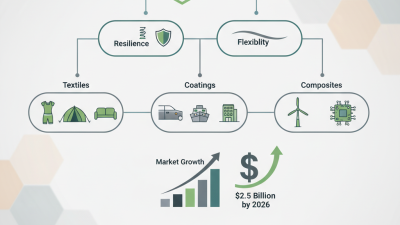
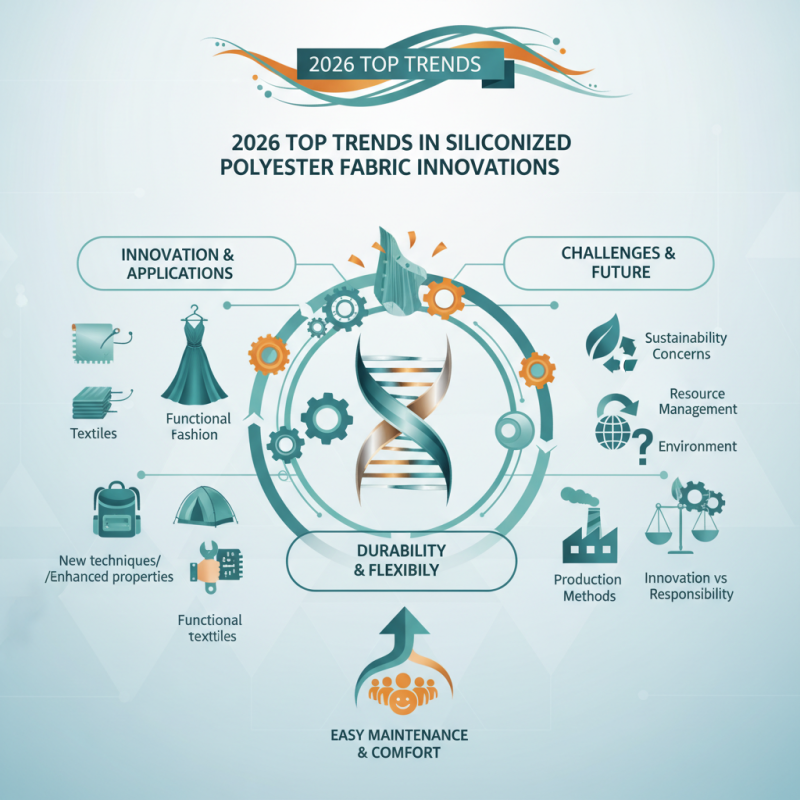
As we approach 2026, Siliconized Polyester is gaining momentum in the fabric industry. This innovative material is revolutionizing how textiles are produced and utilized. Siliconized Polyester combines the benefits of durability and flexibility, making it ideal for various applications. Manufacturers are exploring new techniques to enhance its properties, leading to exciting trends.
The use of Siliconized Polyester in fashion and functional textiles is growing. Designers appreciate its versatility, while consumers enjoy its easy maintenance and comfort. However, the market faces challenges, including sustainability concerns and resource management. Brands must address these issues while fostering innovation.
Looking ahead, the future of Siliconized Polyester seems promising yet requires careful consideration. Continuous advancements in production methods will shape not only the material itself but also the environment. Industry players should reflect on their practices, ensuring they align with emerging consumer values. This balance between innovation and responsibility is vital for the success of Siliconized Polyester in the years to come.
Overview of Siliconized Polyester Fabric and Its Applications
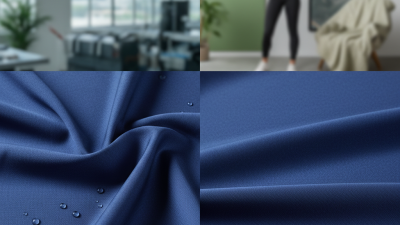
Siliconized polyester fabric has gained attention for its versatile applications across various industries. This material offers unique properties, such as excellent water resistance and durability. Many manufacturers are exploring its potential in outdoor gear and fashion. The lightweight nature makes it an attractive option for activewear and sports outfits.
In the automotive field, siliconized polyester is revolutionizing upholstery and seat covers. Its resistance to abrasion and easy maintenance appeals to car manufacturers. However, the environmental impact of producing synthetic fabrics remains a concern among sustainability advocates. Research is ongoing to improve production methods and reduce waste.
As technology evolves, innovative treatments for siliconized polyester are emerging. These advancements aim to enhance breathability and moisture-wicking capabilities. Still, manufacturers must address the balance between performance and sustainability. The conversation around ethical sourcing and production practices continues to grow. It challenges the industry to rethink how fabrics are created and used.
2026 Top Trends in Siliconized Polyester Fabric Innovations
| Trend |
Description |
Applications |
Innovative Features |
| Sustainability |
Focus on eco-friendly processes and recycled materials |
Fashion, upholstery, and outdoor gear |
Use of biodegradable additives |
| Enhanced Durability |
Improved resistance to wear and tear |
Workwear, industrial applications |
Increased tensile strength |
| Advanced Moisture Management |
Fabric that wicks away moisture effectively |
Sportswear, activewear |
Quick-dry technology |
| Innovative Coatings |
Development of new surface treatments |
Automotive, marine applications |
Anti-microbial and water-repellent properties |
| Smart Fabrics |
Integration of technology for functional textiles |
Medical, wearable technology |
Sensors and connectivity features |
Major Innovations in Siliconization Technology for Polyester Fabrics
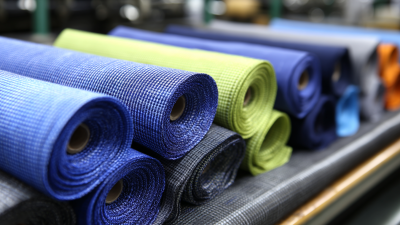
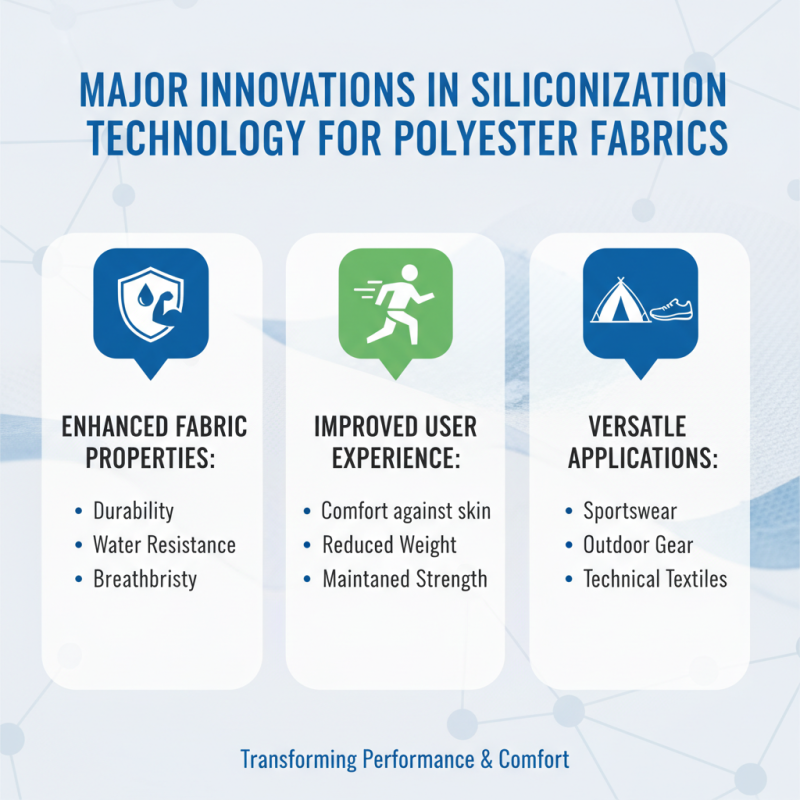
Siliconization technology is transforming the polyester fabric industry. Innovations in this field enhance durability, water resistance, and breathability. These improvements lead to fabrics that not only perform better but also feel comfortable against the skin. For instance, new coating methods reduce the weight of fabrics while maintaining strength. This creates options for various applications, from sportswear to outdoor gear.
Tips: When choosing fabric, consider its finish and treatment. Look for polyester that has undergone advanced siliconization for added performance.
Another significant innovation is the incorporation of sustainable practices into siliconization. Many manufacturers are now using eco-friendly processes in the treatment of polyester fabrics. This shift can improve the environmental footprint of the fashion industry. However, not all options are transparent, making it crucial for consumers to research their choices.
Tips: Always check for certifications or eco-labels that confirm sustainability.
The future of siliconized polyester lies in smart fabrics. Integrating technology can provide users with real-time information, enhancing functionality. However, the challenge remains to balance technology and comfort. Continuous research is needed in this area to ensure these advancements truly benefit the end user without compromising the fabric's inherent qualities.
Sustainability Trends in the Production of Siliconized Polyester Fabrics
The demand for sustainability in the textile industry is rising. Siliconized polyester fabrics are becoming increasingly popular due to their eco-friendly production methods. These fabrics are made using recycled materials, reducing environmental impact. This process conserves resources and minimizes waste.
Tips for choosing sustainable fabrics: Look for certifications that ensure eco-friendly practices. Pay attention to the production methods used to create these fabrics. Knowing the source of your fabric can make a significant difference.
The journey to sustainability is not without challenges. Many manufacturers still rely on conventional methods that harm the environment. Finding a balance between quality and sustainability remains a complex task. Consumers must advocate for better practices in the industry. Small changes lead to significant impacts over time.
2026 Top Trends in Siliconized Polyester Fabric Innovations
Market Demand and Consumer Preferences Driving Fabric Innovations
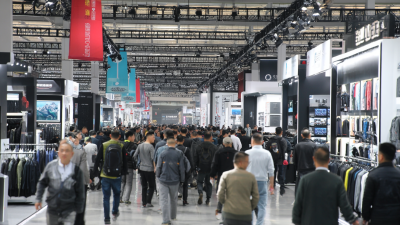
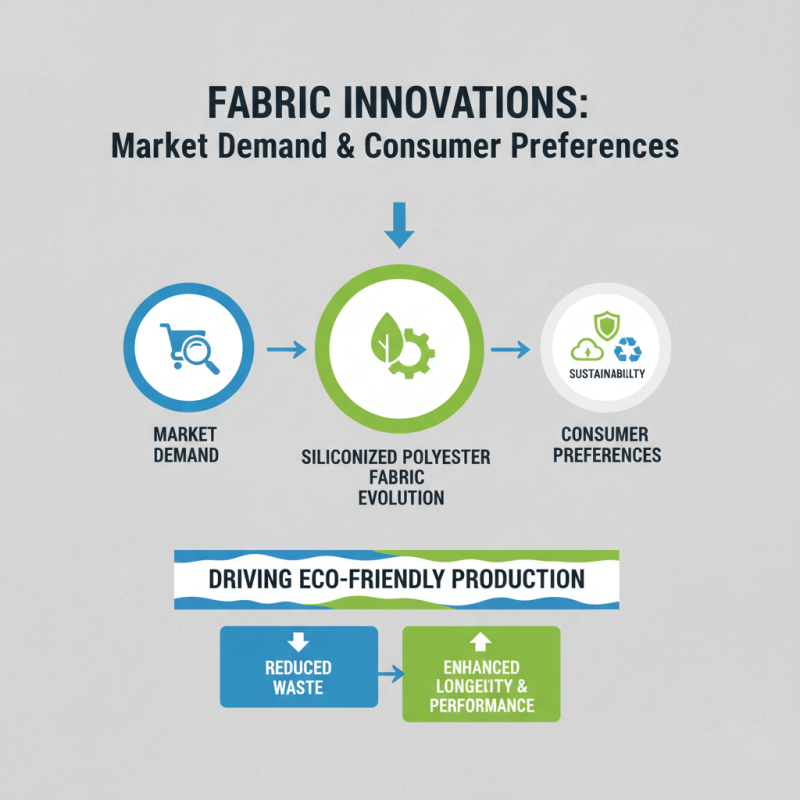
The landscape of siliconized polyester fabric is rapidly evolving. Market demand is pushing innovations that cater to diverse consumer preferences. Shoppers are looking for durability, comfort, and sustainability in fabrics. This drive has led to more eco-friendly production methods. Manufacturers are now focusing on reducing waste and enhancing fabric longevity without sacrificing performance.
Tips: When choosing fabrics, consider longevity over trendiness. Durable fabrics save money in the long run. Always check the production practices to ensure they align with your values.
Consumer feedback is shaping new fabric developments. People want materials that feel good and perform well. They also appreciate products that are easy to care for. As these preferences become clearer, brands can better meet consumer expectations. Innovation should focus on versatility and functionality. Not all innovations hit the mark, creating opportunities for reflection.
Tips: Look for lightweight yet sturdy options. Testing fabrics before purchase can avoid disappointment. Be open to exploring new material combinations. This can lead to discovering unique textures and functionalities.
Future Prospects and Predictions for Siliconized Polyester Fabric Industry
The siliconized polyester fabric industry is set for significant transformations by 2026. Recent reports indicate a growing demand for these fabrics in sectors like automotive and apparel. Innovations will likely focus on enhancing durability, water resistance, and eco-friendly production methods. According to industry analytics, the market is anticipated to grow at a compound annual growth rate of 5.4% from 2024 to 2028.
One key trend is the shift towards sustainable manufacturing processes. Consumers are increasingly favoring products with lower environmental impacts. This shift could drive innovation in recycling mechanisms and raw material sourcing. Experts estimate that about 30% of polyester production can switch to recycled materials by 2026.
Tips: Consider the impact of production choices on the environment. Explore options that utilize recycled fibers. Aligning with sustainable practices will appeal to eco-conscious consumers.
Another trend involves the integration of smart technology into polyester fabrics. Fabrics that can monitor temperature or moisture levels are gaining traction. This could revolutionize personal comfort in clothing and vehicle upholstery. However, technological advancements also raise questions about long-term reliability and longevity.
Tips: Prioritize research on new technologies before investing. Understand the balance between innovation and practicality. Reliability in performance should never be compromised for novelty.