How to Choose the Right Polyester for Your Needs?
Choosing the right polyester can be a daunting task. In the world of textiles, understanding the nuances of "Wearing Polyester" is crucial. Renowned fabric expert Dr. Jane Smith states, "The comfort and versatility of polyester can be unmatched when chosen correctly."
Polyester varieties differ significantly. Some are breathable, while others offer durability. Selecting the right type can affect daily wear and performance. Many consumers often overlook how certain polyesters align with their lifestyle needs.
Wearing polyester doesn't have to be a gamble. It's about knowing where to start and what factors to consider. Reflecting on personal experiences and preferences is essential. With the proper knowledge, you can make informed choices that enhance your wardrobe.
Understanding the Different Types of Polyester Available
When exploring the different types of polyester, it’s essential to understand their unique properties. Polyester is a synthetic fabric known for durability and resistance to shrinking. According to a report from the Textile World, polyester accounts for over 60% of the global fiber market. This statistic highlights its widespread use and importance in various industries.
There are several types of polyester, each suited for specific applications. For example, PET (polyethylene terephthalate) is commonly used in clothing and home textiles. Its moisture-wicking properties make it ideal for activewear. In contrast, PCDT (polycyclohexylene dimethyl terephthalate) offers enhanced elasticity and is often used in stretch fabrics. A study by the International Textile Manufacturers Federation emphasizes that these variations can significantly impact the performance of finished products.
One must consider the intended use when selecting polyester. Some polyester types may not be suitable for high-temperature conditions. Additionally, the environmental impact of polyester production is a growing concern. Reflecting on these factors can help in making a more informed choice. Balancing performance, comfort, and sustainability is increasingly vital in today’s textile market.
How to Choose the Right Polyester for Your Needs?
| Type of Polyester |
Characteristics |
Common Uses |
Durability |
| Polyester Fiber |
Soft, resilient, quick-drying |
Clothing, upholstery, insulation |
High |
| Recycled Polyester (rPET) |
Eco-friendly, similar quality to virgin polyester |
Activewear, bags, outdoor gear |
Medium to High |
| Polyester Blends |
Combines benefits of polyester with natural fibers |
Dress shirts, sportswear, home textiles |
Medium |
| Polyester Microfiber |
Fine, soft, strong, water-repellent |
Cleaning cloths, activewear, upholstery |
High |
| Polyester Satin |
Smooth, glossy finish, luxurious look |
Evening gowns, linings, drapery |
Medium |
Identifying Your Specific Needs for Polyester Usage
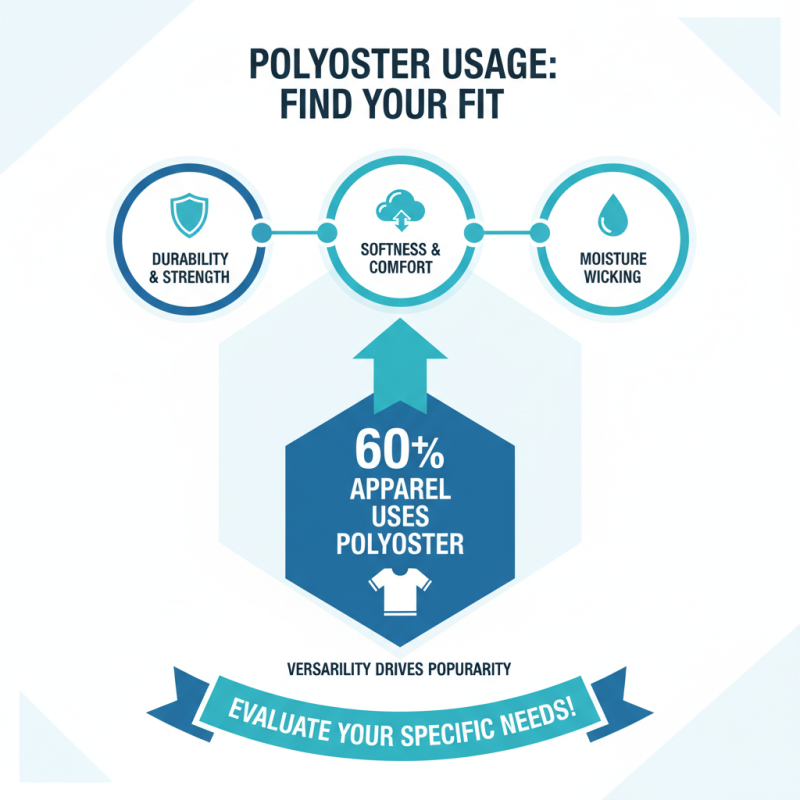
When identifying your specific needs for polyester usage, it’s essential to consider various factors. Polyester comes in several forms, affecting its durability, softness, and moisture-wicking properties. A report by the Textile Association shows that over 60% of apparel uses polyester due to its versatility. This statistic highlights its popularity, but it underscores the need to evaluate your specific requirements.
For instance, the weighted decision between a high-tenacity polyester and a regular one can significantly influence performance. High-tenacity polyester is often used in outdoor gear, where durability is crucial. Meanwhile, regular polyester is suitable for everyday fashion and casual wear. Understanding the environment and application of polyester products can guide your choice effectively.
Cost might also play a vital role in polyester selection. The industry averages show that high-quality polyester can increase initial costs by about 15-30%. This increase may lead some buyers to question the value. Reflecting on how often the fabric will be used can aid in making a well-informed decision. Each use case has unique demands, and recognizing these can ensure the selected polyester meets expectations.
Evaluating Fabric Properties: Durability, Weight, and Feel
Choosing the right polyester for your needs involves understanding its properties. Durability is a key factor. Polyester is known for its strength and resistance to wear. Clothing made from polyester can last for years. However, some cheaper variations may not hold up as well over time. It's vital to consider the intended use when selecting your fabric.
Weight plays a significant role in comfort and usability. Lightweight polyester is great for activewear. It allows for better breathability. Heavier polyester can be more durable but may feel less comfortable in warm conditions. Always think about how the weight of the fabric suits your lifestyle.
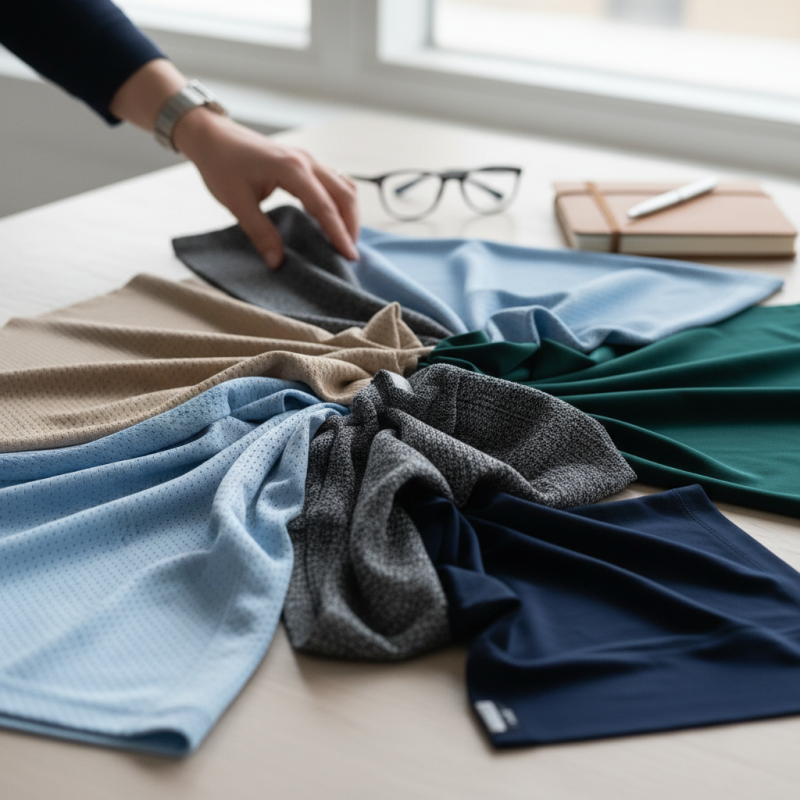
Feel is crucial too. The texture of polyester can vary widely. Some fabrics feel soft against the skin, while others might feel rough. It's important to touch and feel the fabric before purchasing. Don't hesitate to ask for samples if possible.
Tips: When in doubt, test different polyester weights in person. Pay attention to how the fabric behaves when stretched. Consider the specific conditions you'll be wearing it in, like humidity or temperature. This will help tailor your choice to meet your needs effectively.
Considering Environmental Impact and Sustainability Factors
Choosing the right polyester involves understanding its environmental impact. Polyester is a synthetic fabric derived from petroleum. This method of production has significant environmental concerns. Production emits greenhouse gases. According to the Ellen MacArthur Foundation, the textile industry generates about 10% of global carbon emissions.
When considering sustainability, think about recycling. Recycled polyester reduces energy consumption by up to 60%. It diverts plastic waste from landfills, aligning with a circular economy. A study from the Global Fashion Agenda shows that increasing recycled polyester use can cut emissions significantly. However, not all recycled polysters are equally sustainable. Evaluate the source and structure before making a decision.
Tips: Check certifications like Global Recycled Standard. Look for brands committed to minimizing environmental footprints. Stay informed about polyester alternatives that use fewer resources. Remember, not all eco-friendly labels guarantee true sustainability. Each decision can contribute to a broader impact.
Polyester Types and Their Environmental Impact
Comparing Cost and Quality Across Polyester Options
When comparing cost and quality across polyester options, it's important to consider specific needs. Polyester comes in various grades, and costs can vary significantly. According to a recent report from the Textile World Association, standard polyester fabrics can range from $2 to $20 per yard, depending on factors like durability and finish.
Quality often dictates price. High-tenacity polyester, known for its strength, generally costs more but offers better longevity. Research indicates that it can outperform lower-grade polyester in wear tests by up to 40%. Conversely, budget-friendly options may appear appealing but could require more frequent replacement, increasing long-term expenses.
Moreover, a striking detail to consider is how manufacturing processes affect both cost and quality. Sustainable production methods have gained traction. While these materials might initially seem pricier, they offer reduced environmental impact and improved market value over time. Studies suggest that consumers are willing to pay up to 20% more for eco-friendly fabrics, indicating a shift toward quality over cost. This trend reflects the growing demand for transparency in textile manufacturing.