Is Wearing Polyester Safe China Best Guide?
Is Wearing Polyester safe? The short answer is that polyester clothing is generally considered suitable for everyday use, but comfort and sensitivity vary. Textile scientist Dr. Seshadri Ramkumar is known for his work in nonwoven materials. I could not verify a direct statement from him about wearing polyester garments, so this guide will not present invented words as his quotation. A useful guiding principle is: “Assess the garment, its finish, and your own skin—not just the fiber name.”
That distinction matters. A soft polyester T-shirt may feel comfortable during a cool commute, while a tight sports top can trap warmth and sweat during a humid afternoon. Some people experience irritation from friction, dyes, or fabric finishes; the fiber itself is not always the cause. Check the care label, wash new clothing before wearing it, and notice whether discomfort appears after a particular garment or activity. Small details count.
This China-focused guide will explain how polyester is made, what garment labels can—and cannot—tell you, and how to choose clothing for work, exercise, or sensitive skin. It will also discuss heat, moisture, washing, and responsible sourcing without treating one fabric as universally good or bad. A label alone cannot answer everything. If a rash persists, stop wearing the suspected item and seek professional medical advice. The careful answer is less dramatic, but more useful: Wearing Polyester is usually a practical choice, with fit, finishing, and personal response worth checking.

What Polyester Is and How It Is Made
Polyester is a family of synthetic fibers, and the type used in most clothing is polyethylene terephthalate, or PET. It is made from long molecular chains that can be melted and shaped into fine threads. The raw materials commonly come from petrochemical sources, though recycled PET can also be used. The exact source depends on the producer.
Making the fiber takes several controlled steps. Purified chemical ingredients are heated and combined to form a polymer. Once cooled into chips, the material is melted again and pushed through tiny holes in a metal plate called a spinneret. The emerging strands cool into filaments. They are stretched to align their molecules, which helps give the yarn strength. Some fibers are crimped for softness or cut into short pieces for blending with cotton. It is a precise process, but not a simple one.
A finished polyester garment is more than its base fiber. Dyeing, coatings, and other finishes can affect its feel and performance, so “polyester” alone does not describe every fabric equally. In practical terms, the label tells you the main fiber, not every detail of how it was made. Small differences matter. Checking the care label and fabric construction gives a clearer picture than judging by the fiber name alone.
Is Wearing Polyester Safe? — What Polyester Is and How It Is Made
| Topic |
Information |
Practical Takeaway |
| What polyester is |
Polyester is a family of polymers. The polyester most commonly used in clothing is polyethylene terephthalate (PET), formed from repeating chemical units linked into long chains. |
The word “polyester” describes a material family; clothing properties also depend on yarn, fabric construction, dyes, and finishes. |
| How it is made |
PET is generally produced by reacting terephthalic acid or dimethyl terephthalate with ethylene glycol. The resulting polymer is melted, extruded through small openings, and drawn into fibers. |
Fiber production shapes the polymer into fine strands that can be spun into yarn and made into fabric. |
| Raw materials |
Conventional PET is commonly made from chemical feedstocks derived from fossil resources. Recycled PET can also be used as a raw material. |
The source of the feedstock varies; recycled content does not change the basic identity of the polymer as PET. |
| Safety during normal wear |
Polyester fabric is generally considered safe for routine skin contact. The finished garment, its processing, and an individual’s sensitivity can all affect how it feels on the skin. |
There is no single answer for every wearer or garment. Choose clothing that feels comfortable and follow its care instructions. |
| Skin irritation |
Some people may experience irritation or allergic contact dermatitis related to textile dyes, finishing agents, detergents, friction, or other garment components. |
If irritation occurs, stop wearing the item, wash it before trying again, and seek medical advice if symptoms persist or are severe. |
| Heat and fire |
Polyester can soften and melt when exposed to high heat. Burning or molten fabric can cause serious skin injuries, and fire behavior varies with the fabric and its treatment. |
Keep garments away from open flames and very hot surfaces. Use the care-label guidance when ironing or drying. |
| Comfort and breathability |
Polyester’s moisture handling and airflow depend on the fabric’s weave or knit, thickness, yarn, and any specialized construction. |
For warm conditions or sensitive skin, garment fit and fabric construction may matter as much as fiber type. |
| Washing and fiber shedding |
Washing synthetic textiles can release small fibers into wastewater. The amount varies with the garment, its age, washing conditions, and fabric construction. |
Follow the care label, avoid unnecessary washing, and use laundry filtration where available to help reduce fiber release. |
In brief: Polyester clothing is generally suitable for everyday wear, but comfort and skin response vary. Check the garment’s care label, avoid high heat and open flames, and discontinue use if it causes persistent irritation.
Where Polyester Clothing Is Commonly Used in China
In China, polyester appears in many everyday clothes, not only technical sportswear. It is common in school uniforms, office trousers, lightweight jackets, and affordable shirts. A student may wear a polyester-blend uniform through a humid commute, while a shop worker chooses a quick-drying shirt for long shifts. The fabric’s shape retention and relatively easy care suit frequent washing. Small details matter.
Sportswear is another visible use. Running tops, team jerseys, track pants, and windbreakers often contain polyester because the fibers dry quickly and can hold color well. Outdoor clothing may use it in shell fabrics or linings, though performance depends on construction and finishing, not fiber content alone. Labels can be useful, but they do not tell the whole story.
Polyester also appears in everyday fashion, especially in blended garments designed to resist wrinkles or lower production costs. In warmer, damp regions, some people appreciate faster drying; others find certain garments less breathable or clingy. It varies. A polyester blouse on a crowded bus may feel uncomfortable, even when the same fabric works well as a jacket lining. Care instructions, fabric weight, and the wearer’s comfort deserve attention.
How Polyester Fabric May Affect Skin and Comfort
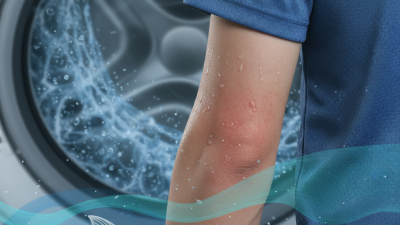
Polyester is not automatically irritating, but comfort depends on the fabric, fit, and conditions. Its smooth fibers can feel soft, while tightly woven garments may hold warmth and sweat close to the body. On a humid commute, a snug polyester shirt may feel clammy under a backpack strap. Friction can bother sensitive areas, especially when clothing is damp. Dyes, finishes, and detergent residue may also affect some people; the fiber alone does not explain every reaction.
Tips: Choose a looser fit and a lightweight, breathable weave for hot weather. Wash new clothes before wearing them, and use a detergent your skin tolerates. If a garment feels scratchy or traps heat, try a different construction rather than assuming all polyester will feel the same.
Small details count. A mesh panel, smooth seam, or dry inner layer can change how a garment feels during a long day. Some people find polyester comfortable for exercise because it dries quickly, while others prefer natural fibers against their skin. There is no single best choice for everyone. Notice when discomfort starts and where it occurs; persistent or worsening irritation deserves advice from a qualified health professional.
Factors That Influence the Safety of Wearing Polyester
Polyester is generally safe for everyday wear, but comfort depends on more than the fiber itself. A tightly woven shirt may trap warmth, especially during humid weather or exercise. Damp fabric can rub against skin and cause irritation. Fit matters. Seams, elastic, and rough labels may also leave red marks after a long day. Some people react to dyes or finishing chemicals rather than polyester itself, though the cause is not always obvious.
Garment care and use affect the experience, too. Wash new clothes before wearing them, particularly if they have a strong odor or feel stiff. Use a mild detergent if your skin is sensitive, and rinse thoroughly. A loose cotton layer may feel better under polyester in hot conditions. For sportswear, look for fabric that dries quickly, but remember that “moisture-wicking” does not guarantee comfort for everyone. Small details count. Polyester can melt when exposed to high heat, so keep it away from open flames and very hot appliances. If irritation keeps returning, stop wearing the item and ask a healthcare professional; guessing at the cause can waste time. There is no perfect fabric for every body, and I have to admit that personal comfort is sometimes hard to predict.
How to Choose, Wear, and Care for Polyester Clothing
Polyester is a common clothing fiber because it dries quickly and usually holds its shape. For everyday wear, check the fabric label and feel the garment against your skin. A soft knit may feel different from a stiff, tightly woven fabric, even when both are polyester. Check the label. If a new item has a strong odor, air it out and wash it before wearing.
When choosing clothes, look for smooth seams, comfortable movement, and a weight suited to the weather. A looser cut can feel less clingy on a warm day. Polyester does not absorb moisture as readily as cotton, so some people find it uncomfortable during heavy sweating. Not everyone reacts the same way. If your skin is sensitive, try a small area first and stop wearing the item if irritation develops.
Follow the care label, since heat can damage some polyester fabrics or affect their shape. Wash with similar colors and avoid overfilling the machine; crowded clothes may not rinse well. Turn printed garments inside out to reduce friction. Air-dry when possible, or use a low dryer setting. High heat is rarely helpful. Static can be annoying in dry weather, and fabric softener does not solve it for everyone. A little trial and adjustment may be needed.