10 Best Synthetic Polyester Fabric Suppliers for Buyers
Choosing a supplier for Synthetic Polyester Fabric is not simply a price comparison. A mill’s sample may feel smooth under bright showroom lights, yet perform differently after repeated washing, dyeing, or abrasion. Buyers should compare fiber composition, fabric weight, width, finish, color consistency, and test documentation. Small details matter.
Fashion sustainability advocate Orsola de Castro is often quoted as saying, “The most sustainable garment is the one already in your wardrobe.” Her point offers a useful lens for sourcing: durable fabric can support longer product life, but claims should be checked against evidence. Ask suppliers for current specifications, test reports, available recycled-content documentation, sample yardage, minimum order quantities, and realistic lead times. A clear answer is useful. A vague promise is not.
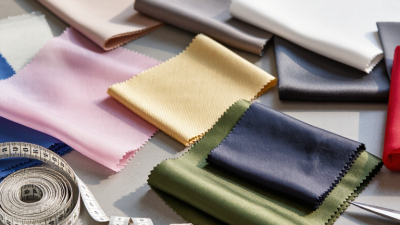
This guide to the 10 Best Synthetic Polyester Fabric Suppliers for Buyers is designed to help purchasing teams compare options with practical questions in mind. Consider whether a supplier can maintain shade consistency across production lots, explain its finishing process, and communicate clearly when delays arise. Request a swatch, then test it against the garment’s intended use. There is no perfect supplier for every project. A low-cost option may suit basic linings, while performance apparel may require tighter quality controls and more specialized finishes. Even a polished product page can leave gaps. Verify the details before placing a bulk order, and record what the supplier confirms.
Polyester Fabric Fundamentals: PET Structure, Weaves, and Common Applications
Polyester fabric is commonly made from polyethylene terephthalate, or PET. Its polymer chains contain repeating ester links, which help the material resist stretching and retain its shape. During production, melted PET passes through tiny spinneret openings to form filaments. These filaments can be drawn smooth, crimped for texture, or cut into staple fibers and spun into yarn. Small process changes matter.
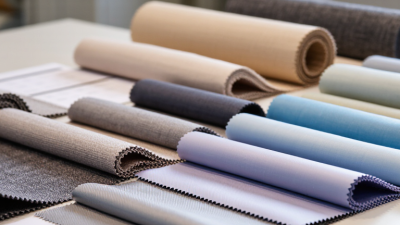
Fabric construction shapes how polyester feels and performs. A plain weave has a simple over-under pattern and often feels firm. Twill creates diagonal ribs and usually drapes more softly, while satin constructions have longer surface floats that can appear smooth but may snag more easily. Knits are not weaves, though buyers often compare them; their looped structure typically adds stretch. Density, yarn size, and finishing also affect weight, airflow, and surface feel.
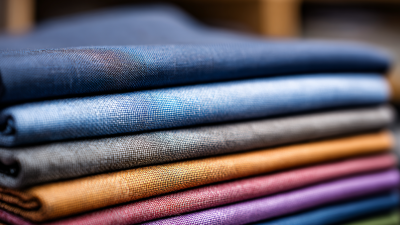
Applications range from lightweight linings and sportswear to curtains, bags, and upholstery. A crisp plain weave may suit a work shirt, while a brushed knit can feel warmer against the skin. Check fabric weight, stretch, abrasion resistance, and care instructions against the intended use. A specification sheet can look complete, yet hand feel still varies between finishes. That part is easy to underestimate.
Polyester Fabric Fundamentals: Moisture Regain of Common Fibers
Polyester is a PET-based fiber known for low moisture absorption. This chart compares typical nominal moisture-regain values for common textile fibers; actual values vary with fiber grade and conditioning.
Moisture regain is expressed as a percentage of the fiber’s dry mass. Values shown are typical reference figures, not specifications for a particular fabric.
Market Context: Polyester Accounted for About 57% of Global Fiber Output in 2023
Polyester represented about 57% of global fiber production in 2023, according to Textile Exchange’s Materials Market Report 2024. The report estimates total fiber output at 124 million tonnes, placing polyester at roughly 71 million tonnes. Textile Exchange’s 2023 report put polyester’s share at 54% in 2022, when total output was 116 million tonnes. The share is growing. For buyers, that scale can mean broad availability of filament, staple fiber, and fabric constructions, but it does not guarantee consistent quality or lead times.
The 2024 report also estimates recycled polyester production at 8.9 million tonnes, around 12% of polyester output. That figure matters, but recycled content alone says little about fabric performance or traceability. Ask suppliers for batch-specific composition records and test results for colorfastness, tensile strength, and dimensional stability. Check the actual fabric roll, too: a hand feel sample cannot reveal variation across a full production lot. Small details matter. The market-share headline is useful context, not a purchasing shortcut; large-scale supply can still leave buyers with uneven specifications or incomplete documentation.
Supplier Evaluation: Compare GSM, MOQ, Lead Times, Testing, and Certifications
When comparing synthetic polyester fabric suppliers, request the GSM range for the exact construction, not just a catalog average. A 150 GSM plain weave can feel quite different from a brushed knit at the same weight. Ask for a recent sample and check its drape, opacity, and recovery after washing. Small differences matter.
Confirm the minimum order quantity by color and finish. A supplier may accept a modest total order but require more meters for each shade. Get sample, lab-dip, and bulk-production lead times in writing; these are often separate schedules. Leave room for delays. I have seen planning become optimistic when buyers count only factory days, not shipping or approval time.
Testing should match the fabric’s intended use. Ask for results covering wash shrinkage, colorfastness, pilling, and tensile strength, where relevant, and check whether reports identify the tested construction and date. Verify certifications against the specific facility, material, and scope; a certificate alone does not prove every shipment complies. Compare quotations on the same basis, including width, GSM tolerance, finishing, packaging, and testing fees. One detail is easy to miss: a low quoted price may exclude retesting after a specification change. Keep the agreed tolerances visible in the purchase documents.
Ten Leading Synthetic Polyester Fabric Suppliers by Region and Product Range
A useful shortlist of ten synthetic polyester fabric suppliers should reflect regional strengths, not just catalogue size. Three East Asian mills may focus on filament fabrics, linings, and lightweight apparel materials. Two South Asian suppliers often offer woven polyester, printed cloth, and blended fabrics for clothing and home textiles. A Taiwanese producer may specialize in functional knits, while a South Korean supplier may offer fine-denier fabrics and consistent color control. These are broad market patterns, not guarantees; verify each supplier’s actual capabilities.
In Türkiye, a fabric maker may combine polyester with cotton or viscose for apparel and upholstery. An Italian supplier may emphasize fashion finishes, textured surfaces, and smaller design-led runs. A North American mill may suit buyers seeking technical fabrics, recycled-content options, or shorter regional shipping routes. The remaining supplier profile could be a specialist converter that develops custom coatings or finishes across regions. Details matter. Ask for swatches.
Compare weight, weave, stretch, colorfastness, and finish against the intended use. Request recent test reports and confirm whether samples match bulk production. Ask about minimum order quantities, lead times, and how recycled content is documented. I would not rank suppliers by region alone; freight, quality consistency, and communication can change the outcome. A hand-feel sample helps, but it cannot replace testing under real use conditions.
Buyer Due Diligence: Verify Quality Reports, Sustainability Claims, and Order Terms
Before choosing a polyester fabric supplier, ask for recent quality reports tied to the specific fabric lot. Check weight, width, yarn specifications, colorfastness, shrinkage, and tensile strength. A polished report is not enough if its sample cannot be matched to your order. Request a swatch and compare it with the stated specifications. Small differences can matter once fabric is cut at scale.
Tips: Keep the report, approved swatch, and purchase terms together. Ask who performed each test and when. If a claim is unclear, request a plain explanation.
Review sustainability claims with the same care. Ask for evidence of recycled content or manufacturing practices, and check that documents cover the material you are buying. Some records may be incomplete; that deserves a follow-up, not an assumption. No single certificate answers every question. Order terms need equal attention: confirm minimum quantities, lead times, color tolerances, payment schedule, inspection process, and how shortages or defects will be handled. Put agreed changes in writing. A friendly email can feel clear today, yet leave room for different interpretations later.