How to Source High Quality Polyester Terylene Fabrics?
Sourcing high-quality Polyester Terylene fabrics can be challenging. It requires an understanding of various factors. Polyester Terylene is a versatile and durable fabric. Its popularity spans multiple industries, from fashion to home furnishings. However, not all Polyester Terylene is created equal.
Quality varies significantly among suppliers. Assessing fabric quality involves several parameters, including texture, durability, and colorfastness. Choosing the right supplier can feel overwhelming. Many offer low prices but compromise on quality. This creates a dilemma for buyers. Striking a balance between cost and quality is essential.
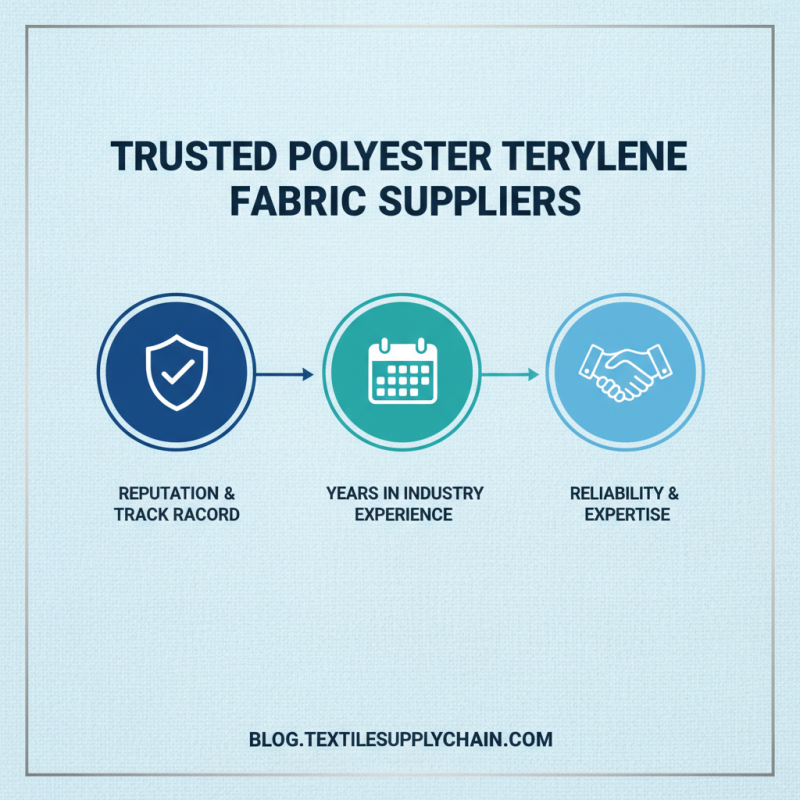
Understanding where to source these fabrics is crucial. Seek suppliers known for their reliability and craftsmanship. Conduct thorough research to assess their reputation. Engage with industry experts and reviews. This approach fosters informed decisions. Remember, sourcing quality materials impacts the final product. Reflection on your sourcing strategy can lead to improvement and success.
Understanding Polyester Terylene Fabric Characteristics
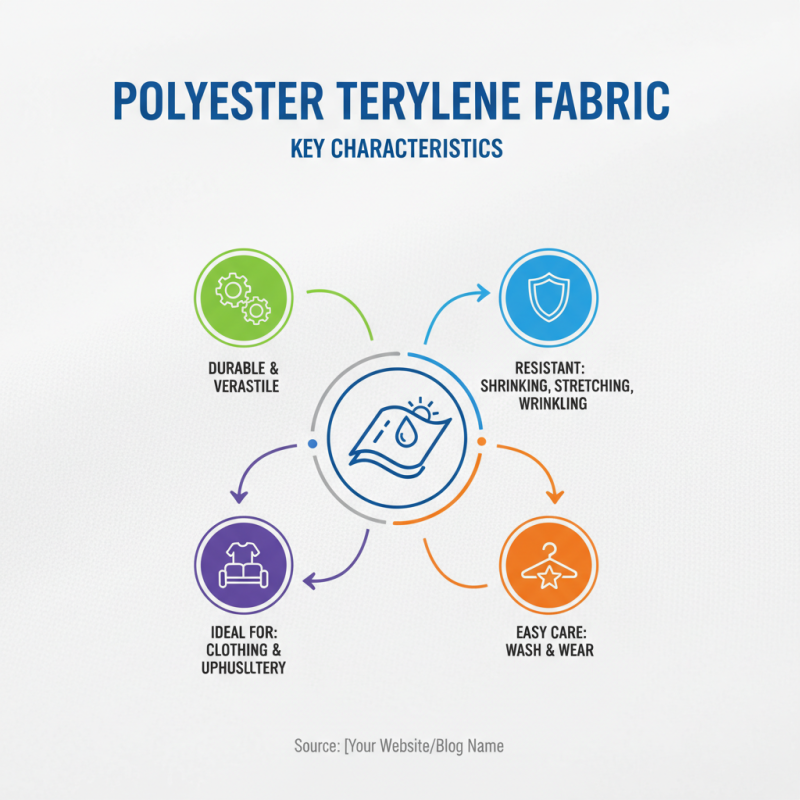
Polyester terylene fabrics are known for their durability and versatility. These fabrics are made from synthetic fibers, making them resistant to shrinking, stretching, and wrinkling. This resistance is particularly valuable in clothing and upholstery. Many consumers appreciate how easy these fabrics are to care for. They can withstand frequent washing and still maintain their shape and appearance.
Another crucial characteristic of polyester terylene is its moisture-wicking ability. This means that the fabric draws moisture away from the body, keeping the wearer dry. For athletic wear, this is particularly important. However, it's worth noting that some individuals may find these fabrics less breathable than natural fibers. This can lead to discomfort in very humid conditions.
Color retention is another strong point. Polyester terylene fabrics are known to hold dyes well, resulting in vibrant, long-lasting colors. However, the synthetic nature of these fabrics can make them less eco-friendly. The production process varies, and some options may have a significant environmental impact. When sourcing high-quality polyester terylene, aim for suppliers who prioritize sustainable practices. This research can create a more conscientious choice in fabric selection.
Evaluating Fabric Quality Through Tests and Certifications
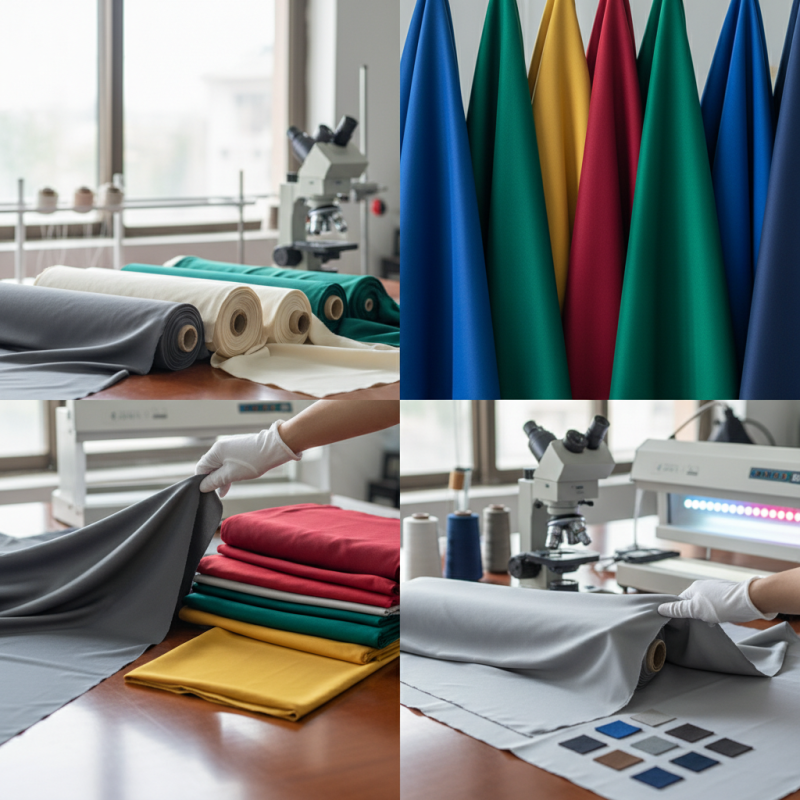
When sourcing high-quality polyester terylene fabrics, evaluating fabric quality is crucial. Testing and certifications help to establish reliability. For instance, the Global Recycled Standard (GRS) certifies the recycled content in textiles. This ensures materials meet strict environmental and social criteria.
Tensile strength tests are essential. They measure how much force a fabric can withstand before breaking. According to the Textile Testing Laboratory, high-quality polyester typically possesses a tensile strength of over 5,000 Newtons. Fabrics with this strength maintain their shape better and resist wear and tear.
Tip: Always request test results from suppliers. Certifications like GRS and OEKO-TEX can validate fabric quality.
Look for colorfastness tests as well. Fabrics should retain their colors after multiple washes. A good fabric should achieve a colorfastness rating of at least 4 or higher. This rating indicates a fabric’s ability to resist fading.
Tip: Consider asking for samples before placing a large order. This allows for a practical assessment of the fabric’s performance in real-life conditions.
High-quality polyester fabrics should also have a smooth texture. Rough or uneven surfaces may indicate poor quality, leading to discomfort. Remember that not all suppliers provide transparent information, so due diligence is important.
Quality Evaluation of Polyester Terylene Fabrics
Assessing Price vs. Quality in Polyester Terylene Sourcing
When sourcing polyester terylene fabrics, price and quality often compete for attention. High-quality fabrics tend to be more expensive, while cheaper options might compromise performance. Buyers must critically assess their needs. Is durability more important than cost? Are you looking for vibrant colors or unique textures? These questions shape sourcing decisions.
Understanding the production process can offer insights into quality. Fabrics that are double-pressed often have better durability, while dyeing methods affect color retention. Research suppliers thoroughly. Look for certifications that indicate high standards. But remember, price does not always dictate quality. Sometimes, higher prices reflect brand prestige more than actual fabric excellence.
While sourcing, be aware of red flags. A low price might suggest inferior materials or manufacturing shortcuts. Comparison shopping is essential. Obtain samples whenever possible and assess them with a keen eye. This approach helps in making informed decisions. Balancing budget constraints with the need for quality requires careful evaluation and sometimes, a bit of trial and error.
Building Long-term Relationships with Fabric Manufacturers
Establishing long-term relationships with fabric manufacturers is crucial for sourcing high-quality polyester terylene fabrics. Transparency and trust are foundational elements in this process. According to the Textile World 2022 report, 65% of textile companies identify collaboration as a key factor in achieving product quality. Regular communication allows both parties to understand expectations.
Visiting manufacturing facilities can lead to better insights. A hands-on approach helps verify production capabilities and quality control measures. However, challenges exist, such as language barriers and differing business practices. A survey conducted by the International Textile Manufacturers Federation found that 40% of buyers reported difficulties in aligning quality standards with manufacturers. This highlights the importance of defining specific quality metrics early on.
Building a robust feedback loop is also essential. Continuous dialogue fosters improvement and strengthens collaboration over time. Research by the European Apparel and Textile Confederation indicates that long-term partnerships can reduce costs by up to 25%. This data emphasizes the necessity of investing in relationships with manufacturers, despite potential obstacles. Long-term engagement can lead to innovation and better product offerings in the competitive fashion industry.