2026 Best Sheer Polyester Fabric Types for Global Buyers?

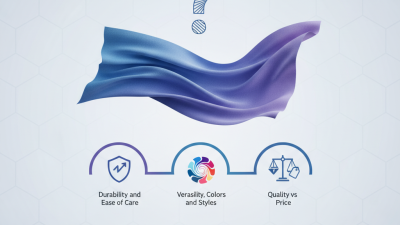
In 2026, global buyers are demanding more than a beautiful drape from Sheer Polyester. They need consistent width, stable color, reliable delivery, and clear performance data. A transparent curtain may require a soft 20–40 GSM voile. A fashion overlay may need crisp organza, flowing chiffon, or textured georgette. Each type behaves differently under light, heat, stitching, and washing.

Textile sourcing consultant Jennifer Taylor offers a practical reminder: “A fabric’s beauty must survive its end use.” This principle matters when comparing virgin polyester with recycled options. Recycled yarn can support sustainability goals, but buyers should verify certificates, traceability, and batch consistency. Marketing language alone is not enough.

Small details decide large orders. Check GSM, yarn denier, selvage quality, roll length, shrinkage, and colorfastness before approval. Request laboratory reports when the fabric will face washing, sunlight, or repeated handling. Test a real sample. Not just a catalog image.

This guide examines the best Sheer Polyester fabric types for global buyers in 2026. It compares chiffon, organza, voile, mesh, tulle, georgette, and lightweight knitted constructions. The discussion also considers MOQ, lead time, finishing, packaging, and application risks. Some fabrics look premium but snag easily. Others feel ordinary yet perform better in production. That is the uncomfortable part. The cheapest option may become the most expensive after claims, rework, or delayed shipments. Careful buyers should balance appearance, technical evidence, supplier experience, and long-term reliability before choosing a final fabric.

2026 Best Sheer Polyester Fabric Types for Global Buyers?

What Is Sheer Polyester Fabric and How Is It Classified?

What Is Sheer Polyester Fabric and How Is It Classified?

Sheer polyester fabric is a lightweight textile that allows light to pass through its structure. It is commonly made from fine polyester filaments, spun yarns, or both. The fabric may feel crisp, soft, dry, or slightly textured, depending on yarn shape and finishing. Chiffon, voile, organza, mesh, and fine tulle are common polyester sheer constructions.

Classification starts with construction. Woven sheers usually offer a stable surface, while knitted versions provide more stretch and drape. Buyers also classify fabrics by weight, often measured in grams per square meter. A 25–60 GSM voile feels airy, while a 70–120 GSM sheer may provide stronger coverage. Textile Exchange’s Materials Market Report 2024 estimated global fiber production at about 124 million tonnes in 2023. Polyester represented approximately 57% of that volume, showing its importance in global sourcing.

Transparency is not determined by GSM alone. Yarn fineness, weave openness, color, and finishing can change the visual result. During fabric inspection, buyers should check the fabric against daylight, not only showroom lighting. ISO 3801 can support mass-per-unit-area testing, while ISO 9237 helps evaluate air permeability. Recycled and virgin polyester form another classification layer. The distinction matters for traceability and performance claims. Some samples look perfect on a table but appear uneven on the body. That is easy to overlook. A practical specification should include GSM, width, construction, stretch, colorfastness, and a clear transparency reference.

Key Types of Sheer Polyester Fabric for Global Buyers

Sheer polyester remains a practical choice for global buyers because it combines light weight, color stability, and scalable production. The 2024 Textile Exchange Materials Market Report estimates that polyester represented 57% of global fiber output in 2023. This share explains its broad availability and competitive pricing.

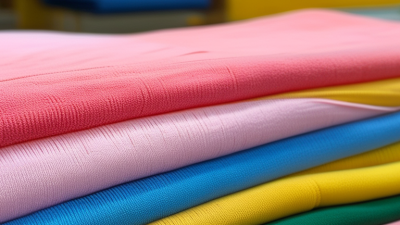
Polyester chiffon offers soft drape and a lightly textured surface for scarves, blouses, and layered dresses. Georgette feels firmer, with a grainy finish and better movement control. Organza is crisp and transparent, making it useful for sleeves, decorations, and structured overlays. Mesh and tulle provide open air circulation for stagewear, sports accents, and decorative panels. Polyester voile is lighter and smoother, but it may need lining under strong lighting.

Specification details matter. Buyers should confirm fabric weight, width, opacity, yarn type, and finishing process before ordering. A 30–50 GSM sample can behave very differently from a 70 GSM construction. Check shrinkage, seam slippage, colorfastness, and abrasion results through recognized laboratory testing. Do not trust transparency claims alone.

The OECD Global Plastics Outlook reports that global plastics production reached 460 million tonnes in 2019, while only 9% was recycled. Recycled polyester can reduce dependence on virgin feedstock, but certification and traceability require verification. Some recycled sheer fabrics feel slightly stiffer. That is not always a defect. It may reflect yarn quality, finishing, or incorrect expectations. I would request a washed sample, a light-transmission check, and a production roll before confirming large volumes.

2026 Best Sheer Polyester Fabric Types for Global Buyers? - Key Types of Sheer Polyester Fabric for Global Buyers

Fabric Type Typical Construction Typical Weight Common Width Transparency Handle and Drape Typical Applications Key Buying Considerations
Polyester Chiffon Plain weave; commonly made with fine twisted filament yarns About 40–90 g/m² Usually 110–150 cm High; often needs lining for full coverage Soft, fluid and lightly textured Blouses, dresses, scarves, overlays, veils and stage garments Check snag resistance, colorfastness, seam slippage and shrinkage after finishing
Polyester Georgette Plain weave with higher-twist yarns, producing a fine pebbled surface About 60–120 g/m² Usually 110–150 cm Semi-sheer to sheer More resilient and slightly crisper than chiffon Dresses, skirts, blouses, gathered panels and fashion layering Confirm surface texture, pleat performance, color variation and print clarity
Polyester Organza Open plain weave with crisp, smooth filament yarns About 25–80 g/m² Usually 110–150 cm High, with a clearer and more structured appearance Crisp, slightly stiff and shape-retaining Bridal wear, eveningwear, bows, sleeves, gift packaging and décor Evaluate stiffness, edge fraying, snagging, static and heat sensitivity
Polyester Voile Lightweight plain weave with a relatively even, airy structure About 45–90 g/m² Usually 140–300 cm for apparel or home-textile use Sheer to semi-sheer, depending on density and color Soft, breathable-feeling and gently flowing Curtains, window panels, scarves, summer garments and decorative draping Check usable width, light transmission, opacity by color and dimensional stability
Polyester Mesh Warp- or weft-knitted open structure; hole size varies by specification About 40–180 g/m² Usually 140–190 cm Ranges from semi-sheer to highly open Flexible, resilient and available in different stretch levels Sportswear panels, lining, costumes, bags, accessories and technical covers Specify mesh opening, stretch recovery, tear strength, width and edge curling
Polyester Tulle Knitted or bobbinet-style net with stable geometric openings About 15–80 g/m² Usually 150–300 cm Highly sheer; openness depends on mesh count Lightweight, springy and capable of holding volume Veils, tutus, petticoats, gift décor, event decoration and overlays Confirm mesh count, softness, stiffness, cut-edge stability and roll width
Polyester Lace Mesh Knitted mesh with jacquard, embroidered or patterned surface effects About 80–220 g/m² Usually 140–180 cm Semi-sheer to sheer, depending on motif coverage Soft to moderately firm; may have limited stretch Lingerie, bridalwear, collars, sleeves, overlays and decorative panels Review motif repeat, pattern alignment, stretch direction, backing yarn and snag resistance
Polyester Satin Chiffon Lightweight chiffon construction with a smoother, slightly lustrous finish About 45–100 g/m² Usually 110–150 cm Sheer, with enhanced surface reflection Smooth, fluid and softly reflective Scarves, occasionwear, decorative panels and fashion overlays Check shine uniformity, water spots, snagging, print registration and color matching

Note: Weight, width and performance ranges are typical commercial specifications. Actual values vary by yarn fineness, weave or knit density, finishing process and supplier specification.

How to Compare Sheer Polyester Fabrics by Performance

For global buyers, comparing sheer polyester fabrics requires more than checking transparency. Examine yarn denier, weave density, weight, and surface finish. A 20–40 GSM fabric may look delicate, but its tear strength can vary widely. Hold a sample near a window. Uneven light often reveals inconsistent yarn tension.

Ask suppliers for test data on tensile strength, seam slippage, shrinkage, and colorfastness. These figures matter during cutting, sewing, washing, and shipping. In practical inspections, rub the fabric against a rough sample edge. Excessive snagging suggests risk for curtains, scarves, or lightweight apparel. Check static buildup too, especially in dry climates. It can affect packing and customer handling.

Handle the fabric yourself. Numbers need context. A softer finish may improve drape, yet it can reduce abrasion resistance after repeated washing. Heat-setting can control shrinkage, but poor processing may create a stiff hand feel. I have seen rolls that appeared uniform until measured across their full width. That mistake is expensive. Request samples from different production sections, not only one attractive cutting. Compare transparency after pressing, folding, and gentle washing. A slightly uneven surface may be acceptable for decorative use, but not for precision garments. Buyers should record fabric weight, width, test conditions, and acceptable tolerances before approving bulk production.

Where Each Sheer Polyester Fabric Type Is Commonly Used

Sheer polyester fabric serves different markets because its surface, drape, and stability vary by construction. Polyester chiffon is widely used for evening dresses, scarves, layered sleeves, and lightweight stage costumes. Its soft movement suits flowing designs, but it can snag during cutting. Buyers should inspect yarn density and edge fraying before confirming volume orders.

Polyester organza has a crisp hand and a clearer transparency. It commonly appears in bridal overlays, gift packaging, decorative bows, window accents, and structured fashion details. Organza holds shape better than chiffon, although it may feel too firm for close-fitting garments. Polyester voile is lighter and more breathable in warm conditions. It is often selected for curtains, summer blouses, baby clothing, and soft home partitions. A small sample wash can reveal unexpected shrinkage or stiffness.

Polyester mesh and tulle are common in dancewear, sports layering, petticoats, veils, and event decoration. Their open structure supports airflow, but snag resistance differs greatly between knitted and woven versions. Polyester georgette offers a grainier texture and controlled drape. Designers use it for blouses, skirts, scarves, and modest overlays. It can look elegant under studio lighting, yet slightly dull under weak indoor light. Global buyers should compare GSM, usable width, colorfastness, roll consistency, and packaging protection. I would not judge transparency from photographs alone. Sample testing remains necessary.

2026 Best Sheer Polyester Fabric Types for Global Buyers

Where Each Sheer Polyester Fabric Type Is Commonly Used

The chart compares commonly specified commercial weight ranges for major sheer polyester fabric types. Actual specifications vary by weave, filament size, finishing, and supplier.

Chiffon: dresses, scarves, blouses, and overlays. Voile: curtains, lightweight apparel, and soft furnishings. Organza: bridalwear, eveningwear, gift packaging, and decorative panels. Georgette: dresses, skirts, blouses, and fashion linings. Tulle: veils, tutus, gowns, and event decoration. Power mesh: lingerie, sportswear inserts, dancewear, and stretch panels.

What Global Buyers Should Check Before Purchasing Sheer Polyester Fabric

2026 Best Sheer Polyester Fabric Types for Global Buyers

Sheer polyester fabric includes chiffon, voile, organza, mesh, and lightweight georgette. Each type creates a different visual effect. Chiffon drapes softly, while organza feels crisp and structured. Mesh offers open ventilation, but its transparency can vary greatly. Buyers should inspect fabric samples under daylight and indoor lighting. A sample may look elegant online, yet appear too transparent in production.

Check the fiber composition, fabric weight, width, yarn quality, and finishing process. Ask for shrinkage, colorfastness, and abrasion test results. These details affect cutting accuracy and long-term appearance. Review the actual roll, not only a small swatch. Edge curling, uneven dyeing, and static can become expensive problems. Confirm packing methods, lead times, minimum order quantities, and available inspection records. Clear technical sheets reduce misunderstandings between buyers and suppliers.

Tips: Compare at least three samples. Rub the surface gently. Watch for snagging. Test drape on a mannequin or simple frame. Ask whether the fabric has a coating, anti-static finish, or flame-related treatment. Request recent test reports when performance matters. I have found that attractive photos often hide weak edges or inconsistent transparency. Buyers can miss this, even with experience. A little doubt before ordering is useful. Also, do not judge quality by softness alone; some firm fabrics perform better after sewing and washing.

Subscribe To Our Newsletter

For inquiries about our products or pricelist, please leave your email to us and we will be in touch within 24 hours.