How to Choose Siliconized Polyester for Your Business Needs?
Choosing the right materials is crucial for any business. Siliconized Polyester stands out for its unique properties. Experts believe this material offers versatile solutions for various applications. In the words of industry expert Dr. Emily Carter, "Siliconized Polyester effectively improves performance and longevity in demanding environments."
When selecting Siliconized Polyester, consider your specific needs. This material provides enhanced durability and resistance to moisture and chemicals. Dr. Carter emphasizes the balance between cost and quality. She suggests, "Evaluate the longevity against initial investment for smart choices." Understanding your application will ensure successful usage.
The decision is not straightforward. You may encounter challenges in sourcing high-quality Siliconized Polyester. Increasing competition can affect your options. It’s essential to research suppliers and their track records. Reflecting on these factors will lead to a better purchase decision and overall satisfaction with the material performance.
Understanding Siliconized Polyester: Definition and Applications
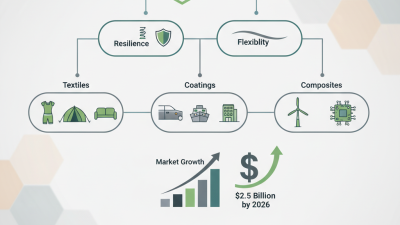
Siliconized polyester is a unique material that blends the properties of polyester with silicone. This combination enhances its performance in various applications. According to a report by Research and Markets, the siliconized polyester market is projected to grow significantly, reaching approximately $2.5 billion by 2025. This growth reflects increasing demand across multiple industries, such as textiles, packaging, and automotive.
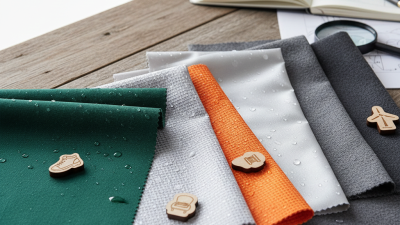
Understanding siliconized polyester requires recognizing its key attributes. The material offers excellent water repellency and durability. This makes it ideal for outdoor gear and automotive upholstery. Moreover, its smooth surface helps reduce friction, which is essential in manufacturing processes. However, some downsides include potential durability issues when exposed to certain chemicals. Companies must consider the specific requirements of their applications.
Furthermore, the versatility of siliconized polyester is noteworthy. It can be found in products ranging from insulation materials to medical applications. According to a 2022 market analysis, the healthcare sector is increasingly utilizing siliconized polyester due to its biocompatibility. Yet, businesses must acknowledge that not all siliconized polyester products are created equal. Ensuring a proper match for specific applications remains critical to maximizing its benefits.
Siliconized Polyester Usage in Various Industries
Key Benefits of Siliconized Polyester for Various Industries
Siliconized polyester brings numerous advantages across industries. This versatile material is favored in textiles, automotive parts, and packaging. Its smooth surface reduces friction, enhancing durability. Businesses often prefer it for its resistance to wear and tear, extending product life.
Tips: When selecting siliconized polyester, consider your specific application. Ensure it meets your performance requirements. Testing different samples can help identify the best fit.
This material also performs well under varying temperatures, making it suitable for different environments. Companies in the automotive sector use siliconized polyester in components that face high heat. Its lightweight nature further helps in reducing energy consumption.
Tips: Evaluate the impact on production processes. Siliconized polyester might require adjustments in handling. Be mindful of the learning curve for your team.
Evaluating Performance Characteristics of Siliconized Polyester
When selecting siliconized polyester, understanding its performance characteristics is vital for business applications. This material offers unique benefits, such as reduced friction and enhanced durability. The siliconized finish provides low friction, promoting smooth operation in various environments. These qualities can lead to fewer machine breakdowns and less downtime.
Another essential aspect is the temperature resistance of siliconized polyester. This material can withstand a range of temperatures, making it suitable for both hot and cold applications. However, be aware that extreme conditions might weaken its properties. Testing is crucial to ensure it meets your specific needs. Regular assessments can inform whether adjustments are necessary.
Additionally, consider the texture and flexibility of the siliconized polyester. Some versions might feel slick while others are more rigid. Depending on your application, this could affect performance. A hands-on evaluation can provide insights into which variant aligns with your operational requirements. It's essential to reflect on these characteristics continually, adjusting your approach as industry demands evolve.
Cost Analysis: Budgeting for Siliconized Polyester Materials
Choosing siliconized polyester requires careful cost analysis. The price of siliconized polyester can vary significantly based on thickness, finish, and supplier. According to industry reports, the average cost per yard can range from $1.50 to $3.50. Businesses need to factor in these costs when budgeting for projects.
Budgeting for materials should also include hidden expenses, such as transportation and storage. Many companies overlook these additional costs. A detailed breakdown can prevent budget overruns. A surprising 35% of businesses reported unexpected expenses related to logistics in a recent study. It's crucial for companies to set aside an extra 10-15% of the budget for unforeseen expenses.
Tips: Always compare quotes from multiple suppliers. It can yield savings. Assess the long-term value of the siliconized polyester. Sometimes, cheaper options compromise quality. Investing in higher-quality materials often pays off in durability and performance. Evaluate your specific needs carefully. This approach allows better alignment between budget constraints and product requirements.
Sustainability Considerations in Siliconized Polyester Production
When considering siliconized polyester, sustainability emerges as a critical factor. The production of siliconized polyester has environmental implications. Reports indicate that traditional polyester production generates significant carbon emissions, contributing up to 700 million metric tons annually. This figure highlights the urgent need for sustainable practices in the industry.
Using recycled materials in the production process can mitigate some impacts. A study by the Textile Exchange shows that using recycled polyester can lower carbon emissions by 32%. However, the adoption of recycling technology varies widely across manufacturers. Not every producer has invested in sustainable technology, raising questions about industry-wide accountability.
Moreover, the water usage in fabric processing remains a concern. Some sources reveal that it takes over 20,000 liters of water to produce just one kilogram of polyester fabric. This stark reality requires deeper reflection on sourcing and production practices. Companies must weigh their environmental footprint against production needs. Sustainable practices should not just be a trend, but a necessity for long-term viability.