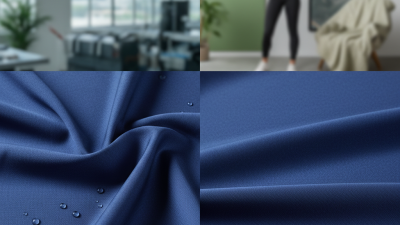
10 Essential Tips for Choosing Stretchable Polyester Fabric?
Choosing the right stretchable polyester fabric can be daunting. With various options available, it's crucial to understand the essential features. This fabric is known for its versatility and comfort, making it popular in fashion and sportswear.
When selecting stretchable polyester fabric, you must consider factors like stretchability, durability, and texture. Not every fabric fits every purpose. Some may be too thin or not durable enough for your project. The right choice depends on your specific needs.
In addition to functionality, aesthetics also play a vital role. The color and pattern can greatly impact the appeal of your end product. It is easy to overlook these details in your excitement. Reflecting on your choices can lead to a more satisfying outcome.
Understanding the Basics of Stretchable Polyester Fabric
Stretchable polyester fabric is a versatile material with unique properties. Its ability to stretch provides comfort and flexibility. This fabric is popular in activewear, dance costumes, and even home textiles. Understanding its characteristics ensures you choose the right type for your needs.
When selecting stretchable polyester, consider factors like elasticity and durability. Not all stretchable polyester is created equal. Some may lose their shape after washing or wear. Look for fabrics labeled as "high stretch" for maximum movement. Touch the material; a smooth finish often indicates higher quality.
Moreover, think about blends. Stretchable polyester blends with spandex or elastane enhance flexibility. These combinations offer additional benefits, like improved moisture management. Be cautious, though. Higher blends may feel less breathable. Remember, the best choice depends on your specific project requirements. Don't hesitate to test swatches before committing. Choosing wisely can ensure satisfaction with your final product.
Identifying Quality Indicators in Polyester Fabrics
When choosing stretchable polyester fabric, quality indicators are crucial. First, examine the fabric's weave. A tighter weave typically enhances durability. According to industry reports, such as those from the Textile Research Journal, a fabric with a higher thread count may withstand wear better. Look for a minimum thread count of 200 for optimal comfort and longevity.
The stretchability of polyester fabrics can vary significantly. Fabrics blended with elastane offer more flexibility. Research indicates that a stretch percentage of 10-20% usually provides the best fit and comfort. Check for resilience tests that measure how well the fabric returns to its original shape after stretching. Reliable data shows that polyester fabrics with good recovery can maintain their appearance longer.
Feel the weight of the fabric. Lightweight polyester may be breathable but can compromise durability. A heavier fabric, while warmer, often indicates better quality. However, this might lead to discomfort in hot weather. Balancing weight and breathability is essential, making it worthwhile to try different samples before making a decision. Quality matters in the long run, and paying attention to these indicators can prevent future regrets.
Evaluating Stretch and Recovery Features
When evaluating stretchable polyester fabric, understanding stretch and recovery features is crucial. Stretch refers to how much the fabric can expand. Recovery indicates how well the fabric maintains its shape after being stretched. Ideally, you want materials that offer a good balance of both features. Many fabrics claim to be stretchable, but not all recover properly after use.
Look for polyester blends that include spandex or elastane. These combinations enhance stretchability and improve recovery. Touch the fabric to feel its elasticity. A higher degree of stretch often means better comfort and movement. However, some fabrics may stretch too much, leading to deformation over time.
Consider the weight of the fabric as well. Lighter fabrics tend to stretch more, but they might not recover as effectively, affecting long-term wear. Heavier fabrics may offer better recovery but could restrict movement. Testing how the fabric reacts under pressure is vital. This insight helps in choosing the right polyester for your specific needs. Make sure to consider your intended use, from activewear to everyday clothing.
Choosing the Right Weight and Thickness for Your Needs
When it comes to selecting stretchable polyester fabric, weight and thickness are crucial. The right balance will enhance comfort and durability for your specific project. A lightweight fabric is often ideal for fitted clothing or activewear. It allows for ease of movement, making it a popular choice. However, too light can lack substance, risking transparency or durability issues.
On the other hand, a heavier stretchable polyester is excellent for items requiring structure. This can include jackets or upholstery. Yet, if it’s too thick, it may lose its stretchability, making it cumbersome. Assess your needs carefully. Consider how the fabric interacts with different body shapes.
When testing fabric, try various weights. Feel how they drape and stretch. Sometimes, a fabric that looks ideal on a hanger feels very different when worn. Take your time to wash and dry swatches to check for shrinkage and elasticity. Observing how the fabric performs in real-world conditions is invaluable. Ultimately, the perfect polyester fabric integrates both weight and thickness, tailored to your unique needs.
Considering Care and Maintenance Requirements for Longevity
When choosing stretchable polyester fabric, understanding care and maintenance is crucial for longevity. Polyester, known for its durability, needs specific attention to ensure it lasts. According to industry reports, improper care can reduce fabric lifespan by up to 30%. Regular maintenance preserves the elasticity and color vibrancy, making it essential to follow care labels closely.
Washing polyester can be straightforward. Use cold water to avoid damaging the fibers. Detergents work best when used in moderation. Excess detergent can lead to residue build-up, affecting the fabric's stretchability. Avoid fabric softeners, as they can hamper moisture-wicking properties. To maintain its shape, air drying is preferable over machine drying. High heat can cause shrinkage and distort the fabric.
Another tip is to store polyester properly. Avoid folding it in places that create creases. Instead, hang the fabric to maintain its form. If wrinkles develop, steam is an effective way to refresh the fabric without risking damage. Ironing should be done at low heat and with a protective cloth to avoid burns. Many overlook these simple steps, yet they play a significant role in preserving the fabric's quality. Taking proactive measures will enhance your polyester fabric's performance over time.