Is Wearing Polyester Safe for Global Buyers?
Is Wearing Polyester safe for global buyers? The practical answer is usually yes, when the fabric is properly manufactured, tested, and finished. Polyester is not automatically hazardous. However, safety depends on dyes, coatings, residual chemicals, skin contact, heat, and product quality.
Textile Exchange’s Materials Market Report 2024 estimates that polyester represented about 59% of global fiber production in 2023. That scale makes responsible sourcing essential. Buyers should request laboratory testing for restricted substances, colorfastness, formaldehyde, heavy metals, and harmful finishing agents. They should also check certifications, including OEKO-TEX Standard 100, bluesign, or Global Recycled Standard, where appropriate. Certification helps. It does not replace supplier audits or shipment-level verification.
Professor Richard Thompson, a leading microplastics researcher, has said, “We have enough evidence to act now.” His warning matters because synthetic garments can release tiny fibers during washing and use. The European Environment Agency identifies textiles as an important source of unintentional microplastic releases. Washing bags, improved fabric construction, and longer garment use can reduce this pressure, although none is a perfect solution.
The answer is not perfectly simple. A compliant polyester shirt may feel smooth against the skin, while a poorly finished one may cause irritation. Recycled polyester can reduce dependence on virgin fossil resources, but it still remains synthetic. Global buyers should assess safety, durability, chemical management, and microfiber performance together. Wearing Polyester can be safe, but only careful evidence supports that conclusion.

What Is Polyester and Why Is It Used in Clothing?
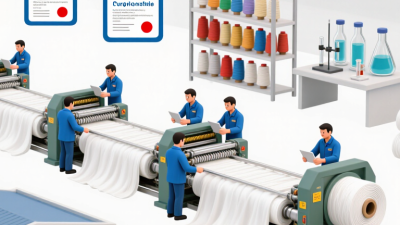
Polyester is a synthetic fiber made from polymer materials, commonly linked to petroleum-based feedstocks. Manufacturers form the polymer into chips, melt them, and push it through tiny openings to create continuous filaments. These filaments can become smooth shirts, fleece-like fabrics, or strong sewing threads.
It is widely used because it is lightweight, durable, and relatively affordable. Polyester dries quickly after washing and holds color well under normal care. It also resists shrinking and wrinkling, which helps clothing keep its shape during shipping and daily wear. Blending polyester with cotton or elastane can improve softness, stretch, or strength. Still, it may feel warm in humid weather. Not every fabric feels comfortable.
For global buyers, finished polyester clothing is generally considered safe when suppliers follow applicable chemical and product-safety requirements. Buyers should request fabric test reports, dye and finishing information, and evidence of restricted-substance control. Skin comfort also matters. Some people may react to dyes, coatings, or detergents rather than the polyester fiber itself. Careful buyers should inspect odor, color transfer, seam quality, and fabric performance before placing larger orders. Washing samples helps reveal problems that factory photos hide. Polyester is not automatically unsafe, but calling it completely risk-free would be careless. Its environmental impact also deserves attention, especially shedding fibers during washing and its slow breakdown after disposal.
How Polyester Is Made and Processed for Consumer Products
Is Wearing Polyester Safe for Global Buyers?
Polyester usually begins as polyethylene terephthalate, or PET. Manufacturers combine purified terephthalic acid with ethylene glycol. Heat and controlled pressure create long polymer chains. The material is then melted, filtered, and pushed through tiny spinneret holes. Cooling forms continuous filaments. Drawing stretches them, improving strength and stability. Texturing can add softness, bulk, or a cotton-like appearance. Dyeing and finishing follow. Process changes everything.
Textile Exchange’s Materials Market Report 2024 estimates that polyester represented about 57% of global fiber production in 2023. This scale explains its commercial value, but it also increases responsibility during processing. Residual chemicals, dyes, lubricants, and finishing agents require documented control. A practical factory check should review chemical inventories, wastewater records, and test reports for restricted substances. The European Environment Agency identifies washing, wearing, and drying as important pathways for synthetic microfibers. A garment can pass a basic chemical test and still shed fibers during use.
Recycled polyester adds another layer. Mechanical recycling generally melts and re-spins used PET, while contamination can affect consistency. Textile Exchange reports that recycled polyester formed a significant share of polyester output, yet most recycled feedstock still comes from plastic bottles. That fact deserves more scrutiny. A recycled label does not automatically prove low impact or safer skin contact. Buyers should request traceability documents, migration testing, colorfastness results, and evidence of controlled finishing. The gaps matter. Supplier claims need independent verification, especially when specifications change after sampling.
Potential Health and Environmental Concerns of Polyester
Is Wearing Polyester Safe for Global Buyers?
Polyester is widely used because it is durable, lightweight, and quick-drying. For most people, finished polyester clothing is safe when produced and used correctly. However, safety depends on more than the fiber itself. Dyes, softeners, coatings, and poor finishing may irritate sensitive skin. Tight garments can also trap heat and sweat, especially in warm climates. Some users may notice itching, redness, or discomfort. Stop wearing the item if symptoms continue, and seek medical advice when needed.
Environmental concerns are harder to ignore. Polyester is usually made from fossil-based materials, and its production requires energy. Washing can release tiny plastic fibers into wastewater. Better testing can reduce uncertainty, but no test removes every concern. Buyers should request material specifications, chemical safety reports, and independent laboratory results. Recycled polyester can reduce demand for new raw materials, yet it still sheds fibers. That detail is often overlooked. No fabric is perfect, and my own view has become more cautious after examining the full product life cycle.
Tips: Choose breathable constructions for hot weather. Wash garments less often and use cooler cycles. A fiber-catching laundry filter may help reduce microfiber release. Check recognized textile safety certifications and ask suppliers how they control dyes and finishing chemicals. Avoid relying on “eco” claims alone. Ask for evidence.
Safety Standards for Polyester Products in Global Markets
Is Wearing Polyester Safe for Global Buyers?
Polyester is widely used in clothing, bags, bedding, and outdoor products. Its safety depends on fibers, dyes, coatings, and finishing chemicals. During practical garment checks, I examine fabric labels, colorfastness reports, and chemical test records. A smooth fabric can still contain restricted substances. Appearance proves very little.
Global markets follow different safety requirements. European buyers often check REACH restrictions and azo dye limits. United States products may require CPSIA-related testing for children’s items. Other markets can apply their own rules for formaldehyde, heavy metals, or flammable materials. Responsible suppliers should provide recent laboratory reports, batch details, and traceable material information. A report should match the actual product, not only a similar sample. That mistake happens.
Tips: Ask for test dates, laboratory accreditation, and chemical scope. Check wash labels carefully. Review coatings and printed areas, especially on baby products. Request colorfastness testing for dark fabrics. Keep purchase records for future checks. Do not rely on a single certificate forever. Standards and formulations can change.
Polyester itself is not automatically unsafe. Poorly controlled processing creates greater concern. Buyers should also consider skin contact, heat, sweat, and repeated washing. A strong odor deserves attention, although odor alone cannot confirm a violation. I would not promise zero risk. Careful testing reduces uncertainty, but it never replaces product-specific judgment.
How Buyers Can Choose and Use Polyester Safely
Is Wearing Polyester Safe for Global Buyers?
How Buyers Can Choose and Use Polyester Safely
Polyester is generally safe for clothing when it meets applicable textile requirements. The fiber itself is stable during normal wear. Safety can change with dyes, coatings, softeners, and recycled inputs. Buyers should request the exact fiber composition and production details. Do not rely on a fabric name alone.
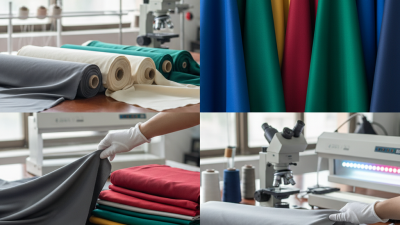
Ask suppliers for recent test reports from an independent, accredited laboratory. Check colorants, restricted substances, heavy metals, and skin-contact performance. Requirements differ between destination markets. The report should match the actual fabric, not a similar sample. Confirm the testing date, sample number, and production batch. Small details matter. A certificate is helpful, but it is not a magic shield.
Before shipment, inspect fabric smell, color transfer, surface finish, and stitching. Wash a sample as consumers would. Notice shrinkage, roughness, and dye movement. For babies, underwear, sportswear, or sensitive skin, choose simpler finishes and request stronger skin-contact testing. Give clear care instructions: wash new garments before use, avoid excessive heat, and keep polyester away from open flames. Heat can damage fibers and finishes. Buyers should also store goods in a dry, ventilated area. These steps are practical, though not perfect. Supplier paperwork can look complete while a batch still differs. Random checks and clear records reduce that risk.
Polyester Safety Guide for Global Buyers
Polyester care and thermal limits vary by fabric construction, blends, dyes, and finishes. Use the garment care label as the controlling instruction. The values shown are general reference ranges: gentle washing is commonly performed at 30–40°C, polyester ironing is generally kept below 150°C, the glass-transition range is approximately 67–81°C, and melting typically occurs around 250–260°C. Buyers should request fiber composition, colorfastness, restricted-substance, and applicable safety documentation before purchase.