7 Tips for Choosing Polyester Textile Suppliers
Choosing a Polyester Textile supplier can shape your product quality, production schedule, and customer trust. The decision affects fabric consistency, delivery timing, safety, and long-term costs. A low quotation may hide uneven dyeing, unstable GSM, or weak quality controls. I have seen a sample feel smooth and bright, while bulk rolls arrived with shade differences. Small details matter.
This guide presents seven practical tips for evaluating suppliers with greater confidence. It considers manufacturing experience, material knowledge, production capacity, testing procedures, communication, pricing, and after-sales support. Look beyond polished websites and attractive product photos. Ask for recent samples, technical data sheets, test reports, and clear production timelines. If possible, review the factory’s inspection process and observe how fabric is packed before shipment.
Reliable suppliers should explain polyester specifications clearly, including fiber composition, width, weight, colorfastness, and finishing options. They should also answer difficult questions without vague promises. Certifications can support credibility, but they still require verification and context. A certificate alone does not guarantee consistent rolls.
No supplier choice is flawless. Even careful buyers can overlook a hidden risk. That is why documented checks, sample approval, and written quality standards remain essential. These steps create a practical record when expectations change. They also help buyers compare suppliers fairly, rather than choosing based only on price. The right partner may not be the cheapest. It should be transparent, technically capable, responsive, and willing to improve when problems appear.
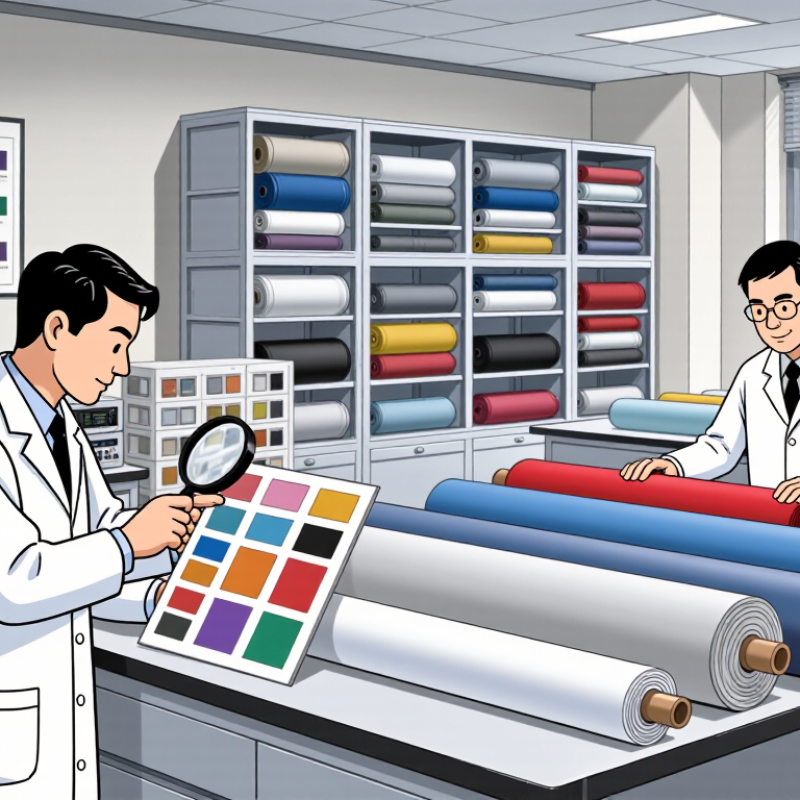
Define Your Polyester Textile Requirements
Define Your Polyester Textile Requirements
A reliable supplier search starts with a precise product brief. Polyester is not one uniform material. Specify the fiber type, yarn structure, fabric weight, width, stretch, finish, and intended use. A lightweight sports mesh needs different performance targets than a dense curtain fabric. State whether you need virgin or recycled polyester, and define the acceptable recycled percentage.
Industry scale makes this decision important. Textile Exchange’s 2024 Materials Market Report recorded global fiber production at about 124 million tonnes in 2023. Polyester represented more than half of that volume. Large supply does not guarantee consistent quality. Ask suppliers for batch samples, GSM records, colorfastness results, shrinkage data, and abrasion testing. Request test methods, not only attractive claims. ISO-based reports are easier to compare.
Be specific about production realities. Include monthly volume, minimum order quantity, packaging needs, delivery windows, and tolerance limits. For garments, test pilling after repeated washing. For upholstery, check seam strength and light exposure. I have seen purchasing teams focus on price, then discover that a small shade variation affects an entire shipment. That mistake is avoidable, although not always. Leave room for testing failures and revised specifications. Your brief should also identify required certifications, traceability documents, and chemical compliance records. Suppliers respond more accurately when every requirement is measurable.
Assess Supplier Experience and Production Capabilities
A supplier’s experience should be measured through evidence, not confident promises. Ask how long they have produced polyester textiles and which fabric types they handle regularly. A factory making sports mesh may not understand blackout fabric or recycled polyester blends. Request recent production records, sample approvals, and references from comparable buyers. Check whether their technical team can explain GSM, filament count, shrinkage, and colorfastness clearly.
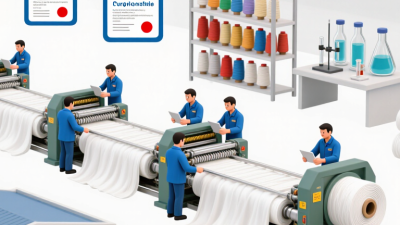
Production capability matters when an order moves beyond sampling. Visit the facility if possible, or request a live video inspection. Look for knitting machines, dyeing equipment, laboratory tools, and finished-roll storage. Ask about monthly capacity, minimum order quantities, maintenance schedules, and backup equipment. A capable supplier should explain how they control shade differences between dye lots. They should also show inspection reports, not only attractive samples.
A polished sample can mislead. I once focused too much on fabric appearance and overlooked inconsistent roll width. That mistake delayed cutting and increased waste. Build a small trial order into the evaluation. Measure width, weight, stretch, color stability, and packing quality after delivery. Ask how the supplier handles defects and production changes. Honest answers are valuable. So is a clear record of past problems. A reliable partner admits limitations, documents corrective actions, and keeps communication precise when capacity becomes tight.
7 Tips for Choosing Polyester Textile Suppliers: Experience and Production Capabilities
This illustrative 100-point assessment framework highlights practical supplier-selection factors, including operating experience, documented capacity, equipment readiness, quality control, delivery reliability, compliance records, and scalability. Buyers should verify each score through factory audits, production records, sample testing, and reference checks.
Review Communication, Samples, and Long-Term Support
When choosing a polyester textile supplier, communication deserves more than a quick price comparison. Ask how quickly the supplier answers technical questions and whether responses remain clear under pressure. A reliable contact should explain fiber content, fabric weight, width, minimum order quantities, and lead times without vague promises. Request written specifications after each discussion. This prevents small misunderstandings from becoming expensive production problems.
Samples reveal details that photos cannot show. Request a fabric swatch, a larger cutting, and available color references. Check the surface feel, stretch, recovery, GSM, shrinkage, and colorfastness after washing. If the fabric will face sunlight, friction, or repeated cleaning, test those conditions before placing a bulk order. I once approved a sample too quickly and missed a slight shade difference between rolls. It was a useful mistake, but not a cheap one. Ask for revised samples when the first version fails your requirements.
Long-term support becomes visible after the purchase order is signed. Discuss production updates, inspection documents, packing standards, and the process for handling defects. Ask whether the supplier can trace batch numbers and suggest corrective actions. Strong suppliers do not disappear after delivery. They help adjust fabric performance when your product changes. My checklist is not perfect, so I also record response times and unresolved questions. That record often shows more than a polished sales presentation.