Top 10 Polyester Textile Suppliers for Global Buyers

Choosing a polyester supplier is more than comparing prices. Global buyers need dependable quality, clear specifications, and delivery schedules they can plan around. Polyester Textile can mean filament yarn, staple fiber, woven fabric, or knitted fabric, and each option serves different production needs. Small details matter. A fabric roll may look consistent under warehouse lighting, yet show shade variation after dyeing.

This guide introduces ten suppliers for buyers seeking options across different markets and product categories. It is a starting point, not a certification or guarantee of performance. Compare fabric composition, weight, width, colorfastness results, minimum order quantities, sample policies, and lead times. Ask whether recycled content is independently documented, and request current test reports where relevant. A polished catalog helps, but it cannot replace a fabric swatch and a clear technical sheet.

Textile sustainability researcher Dr. Mark Sumner’s work offers a useful principle, paraphrased here: “Assess a material across its life cycle, not by performance alone.” That perspective matters when buyers weigh durability, sourcing, and end-of-use options. No supplier is perfect. Some publish detailed data but have limited customization; others respond quickly yet provide less documentation. That can be frustrating. The strongest choice depends on the intended product, target market, and evidence a supplier can provide. Use the profiles below to ask better questions, verify claims, and narrow the field before placing an order.
Top 10 Polyester Textile Suppliers for Global Buyers

Polyester Textiles: Fiber Types, Fabric Forms, and Main Applications

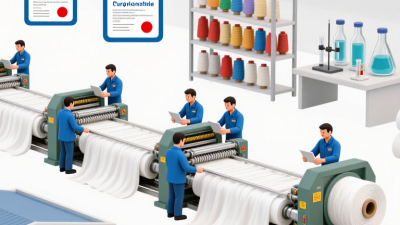
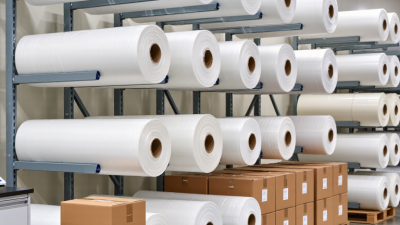
Polyester textiles begin with fibers engineered for different needs. Filament fibers are continuous and often create smooth, strong fabrics with a clean surface. Staple fibers are shorter, spun into yarn, and can feel more like cotton. Some yarns combine both. The label “polyester” alone tells buyers little; yarn structure and fabric weight matter too.

The label “polyester” alone tells buyers little; yarn structure and fabric weight matter too.

Common fabric forms include woven, knitted, and nonwoven materials. Woven polyester holds its shape in uniforms, linings, and bags, while knits stretch more comfortably for sportswear and everyday clothing. Lightweight chiffon-like fabrics drape easily; dense canvas-style constructions offer more abrasion resistance.

Feel the fabric. Check its recovery.

Applications range from curtains and bedding to outdoor covers and filtration media. A buyer assessing fabric should request specifications for fiber content, weight, width, finish, and test methods.

Moisture behavior deserves attention: polyester dries quickly, but it may retain odor under some conditions. That detail is easy to overlook.

A sample wash and wear test can reveal problems that a specification sheet misses.
Market Scale: Polyester Made Up 57% of Global Fiber Output in 2023

Top 10 Polyester Textile Suppliers for Global Buyers

Market Scale: Polyester Made Up 57% of Global Fiber Output in 2023

Polyester remains central to global textile sourcing. Textile Exchange’s Materials Market Report 2024 states that global fiber production reached 124 million tonnes in 2023. Polyester represented 57% of this output. That share shows strong supply capacity, but scale does not guarantee consistent quality. A buyer comparing ten shortlisted suppliers should examine denier accuracy, colorfastness, shrinkage, and shipment reliability. Small specification differences can disrupt an entire production line.

The same report identifies polyester as the leading fiber by production volume. Its wide use in sportswear, home textiles, linings, and industrial fabrics supports broad supplier competition. However, sustainability claims require careful checking. Ask for recycled-content certificates, test reports, and traceable transaction records. I would not rely on a supplier’s website alone. That approach is convenient, but weak. Independent laboratory testing remains valuable, especially for recycled polyester and performance finishes.

Tips: Request a production sample before signing a large order. Compare GSM, width, recovery, and surface feel under identical testing conditions. Confirm monthly capacity and backup plans in writing. Also review the supplier’s history of late deliveries. Price is important, but an unusually low quote may hide weaker inputs or unstable quality. Textile Exchange’s data shows market scale; it does not measure every supplier’s operational discipline. That gap deserves attention.

Top 10 Polyester Textile Suppliers for Global Buyers

Market Scale: Polyester Made Up 57% of Global Fiber Output in 2023

No. Supplier Evaluation Dimension Buyer-Ready Data to Request Why It Matters
1 Production capacity Annual output by product type, stated in metric tonnes Helps assess whether production can support forecast volumes and repeat orders.
2 Product range Available fiber, yarn, fabric, and finished-textile categories Clarifies whether a supplier can meet the required stage of the supply chain.
3 Material composition Polyester content, blend percentages, and test documentation Supports accurate product specifications and labeling.
4 Recycled-content traceability Recycled-content percentage, chain-of-custody records, and applicable certification scope Enables buyers to substantiate recycled-material claims.
5 Quality control Inspection procedures, test methods, defect limits, and batch records Makes quality expectations and acceptance criteria measurable.
6 Chemical management Restricted-substance policy, chemical inventory controls, and relevant test reports Helps buyers evaluate product safety and regulatory compliance needs.
7 Environmental performance Facility energy, water, wastewater, and emissions data with reporting boundaries Provides comparable evidence for environmental due diligence.
8 Order flexibility Minimum order quantities by product, color, and production process Shows whether order terms suit sampling, launches, and replenishment.
9 Lead time and delivery Sample and bulk lead times, shipment terms, and on-time delivery records Supports production planning and supply-chain risk assessment.
10 Social and operational compliance Facility audit status, corrective-action records, and relevant certifications Helps buyers review workplace practices and supplier-management controls.

Market context: Polyester represented 57% of global fiber production in 2023, according to Textile Exchange’s Materials Market Report 2024. The table presents supplier-selection criteria, not a company ranking; buyers should verify supplier-specific figures and documentation directly.

Supplier Evaluation: Compare Capacity, Certifications, Lead Times, and Minimum Orders

For global buyers comparing polyester textile suppliers, production scale is only a starting point.

Textile Exchange’s Materials Market Report 2024 estimates that global fiber production reached 124 million tonnes in 2023, with polyester accounting for about 57 percent. That scale makes capacity claims easy to state, but buyers should ask what “capacity” means: installed equipment, monthly output, or confirmed availability for their order.

Request recent production figures, sample records, and evidence that the quoted fabric construction matches the bulk run. A useful check is a small trial order. It may reveal consistency issues before a larger commitment.

Certifications, lead times, and minimum order quantities need the same scrutiny.

Verify certificate scope, site coverage, and validity dates against the actual facility and product; a certificate alone does not guarantee performance. Ask suppliers to separate sample, production, inspection, and shipping timelines, then compare those estimates with written order terms.

Minimums may vary by color, finish, and yarn, so request a breakdown rather than one headline figure. The International Organization for Standardization’s ISO 9001 framework provides a reference for quality-management systems, but it is not a substitute for fabric testing or buyer audits.

Paperwork can look reassuring. Sometimes it is not enough.

I would also compare test results for strength, colorfastness, and shrinkage against the intended end use, while recognizing that no single checklist removes sourcing risk.

Top 10 Polyester Textile Suppliers: Regional Profiles and Product Strengths

Polyester textile suppliers often develop strengths around local mills, skilled labor, and nearby customer industries. In East Asia, dense production networks can support a broad range of filament and staple-fiber fabrics. Buyers may find lightweight linings, sportswear knits, and tightly woven industrial cloth in one sourcing region. Capacity can be substantial. Still, not every mill offers the same consistency, so request samples from the production line.

South Asian suppliers often serve apparel programs that need flexible order sizes and varied fabric finishes. Their offerings may include printed polyester, blends, and everyday garment fabrics. In parts of Europe, suppliers are more likely to emphasize technical textiles, traceability, or recycled-content options, though capabilities differ by facility. Ask for test reports covering weight, colorfastness, and dimensional stability. Check the actual lot, too. A polished sample can hide variation between batches. Regional labels help narrow a search, but they cannot replace audits, clear specifications, and realistic lead-time checks.

Global Sourcing Checks: Verify Quality, Recycled Content, and Delivery Terms

Global buyers often compare polyester textile suppliers by price and catalog range. That approach can hide serious sourcing risks. In my supplier reviews, I check fabric weight, weave consistency, shade accuracy, and seam performance before discussing volume. Request a 1-meter sample and a recent laboratory report. Test GSM, tensile strength, shrinkage, pilling, and colorfastness. Factory photos help, but physical evidence matters more. A polished sample can still conceal uneven production.

Recycled content requires careful verification. Ask whether the material is pre-consumer or post-consumer recycled polyester. Request transaction records, certification documents, and a clear chain of custody. Compare the claimed percentage with the product specification and test results. Do not accept vague sustainability language. It sounds convincing, but it proves little. I have seen paperwork and samples disagree, so independent testing remains worthwhile.

Tips: Confirm production capacity during peak seasons. Add inspection points before bulk cutting, during production, and before shipment. Write tolerances into the purchase agreement, including GSM variation and color deviation. Clarify Incoterms, packaging, export documents, payment milestones, and remedies for late delivery. Ask for a realistic lead-time schedule, not an optimistic promise. Build a small buffer for port delays. Even experienced buyers underestimate this. A supplier with strong quality control may still struggle with communication, so record every approval in writing.

Top 10 Polyester Textile Suppliers: Global Sourcing Checks

Suggested weighting for comparing suppliers—not ratings or market data for specific companies.

Prioritize product quality and recycled-content traceability, then assess delivery terms, production capacity, and pricing. Verify each supplier’s claims with relevant test reports, transaction records, and written contract terms.

Subscribe To Our Newsletter

For inquiries about our products or pricelist, please leave your email to us and we will be in touch within 24 hours.