What Is Sewing Polyester Fabric and Why Use It?

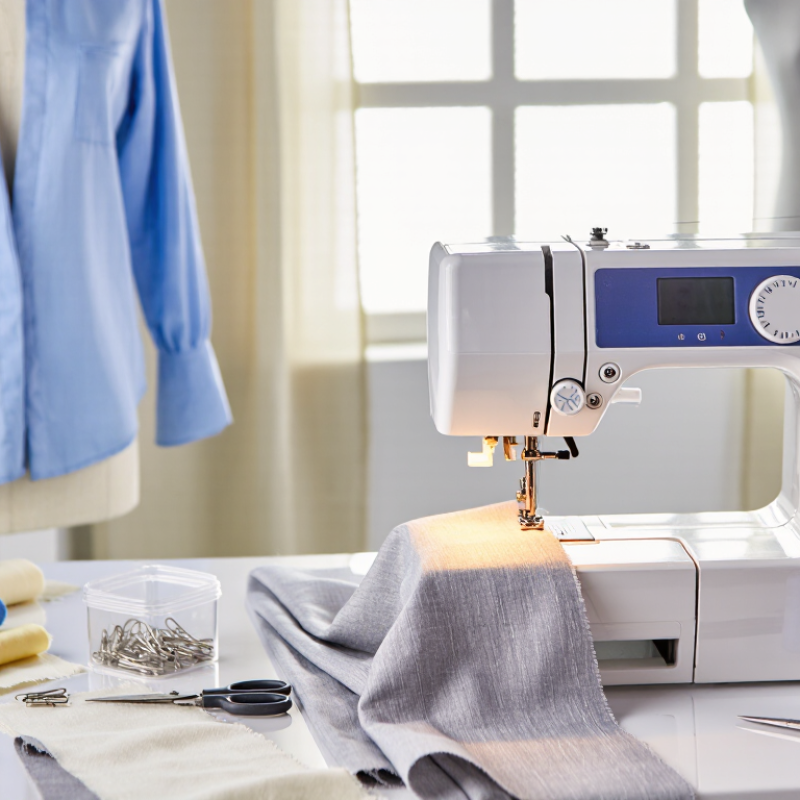
Sewing Polyester Fabric is a practical skill for making durable clothing, home textiles, bags, and costumes. Polyester threads resist stretching, shrinking, and everyday abrasion. That stability helps seams remain neat after repeated washing. It also makes polyester useful for beginners who need predictable fabric behavior. Still, predictable does not mean effortless.

Textile educator Claire Shaeffer, author of The Fabric Sewing Guide, describes polyester as “strong, stable, and resistant to wrinkles and shrinking.” Her observation explains much of its appeal. A polyester blouse can leave the machine with clean edges and a smooth surface. A polyester curtain can hang evenly beside a bright window. However, heat requires caution. A hot iron may flatten texture, create shine, or permanently mark some finishes.

Good results begin with small decisions. Use a sharp universal or microtex needle. Choose polyester thread for balanced strength. Test the stitch on a fabric scrap first. A 2.5–3 mm stitch often suits medium-weight woven polyester. Reduce presser-foot pressure when slippery fabric shifts. Clips can hold layers without leaving visible pin marks. These details matter.

But the process is not always perfect. Polyester may fray, pucker, or slide during stitching. That is part of the learning. I have found that slower feeding often improves accuracy, though it can feel frustrating. Ventilation also matters when pressing synthetic fabric. This article explains what Sewing Polyester Fabric involves, why people choose it, and how careful preparation can turn a slippery textile into a reliable finished project.
What Is Sewing Polyester Fabric and Why Use It?

What Is Polyester Fabric?

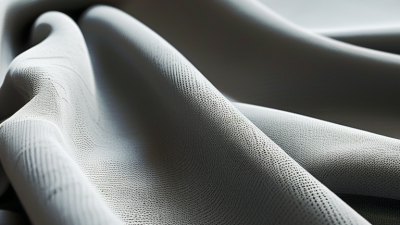
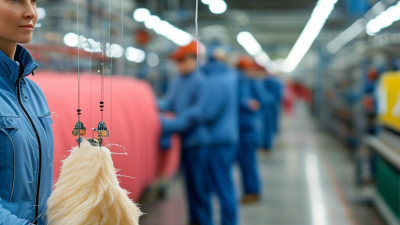
Polyester fabric is a synthetic textile made from polymer fibers. Manufacturers form these fibers into yarns, then weave or knit them into cloth. The material often begins with petroleum-based chemical components, although some versions use recycled sources. It feels smooth, resists wrinkles, and keeps its shape after repeated washing. Those qualities make it common in clothing, curtains, sportswear, and household textiles.

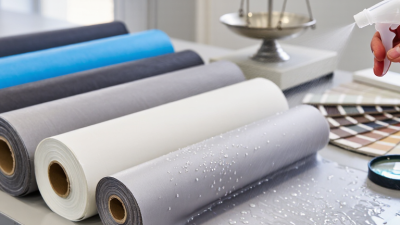
Polyester absorbs little water, so it dries quickly after washing or light rain. However, low absorbency can trap warmth and body odor against the skin. A tightly woven fabric may feel less breathable than a lightweight knit. Some polyester fabrics also create static, especially in dry rooms. The surface can be soft, crisp, shiny, or brushed. The finish changes the sewing experience.

Heat requires care. Polyester can soften or melt under excessive ironing, pressing, or friction. I usually test a small scrap before cutting the main fabric. A sharp needle, balanced thread tension, and a suitable polyester thread can reduce skipped stitches. Seams may slide when the fabric is slippery, so extra clips help during fitting. My early samples sometimes puckered because I used too much pressure. That mistake taught me to lower the presser-foot pressure and sew more slowly. Polyester is durable, but it is not perfect. It can shed tiny fibers during washing, and some fabrics feel uncomfortable when poorly designed.
What Is Sewing Polyester Fabric and Why Use It?

Polyester is a synthetic fiber commonly used for sewing because it is durable, lightweight, wrinkle-resistant, and quick-drying.

The chart compares typical moisture regain at standard textile testing conditions. Polyester retains much less moisture than cotton, linen, nylon, and wool, which helps polyester garments dry quickly and resist water-related heaviness. Values are typical fiber-level figures and may vary by fabric construction and finishing.

How Polyester Differs from Natural Sewing Fabrics

Sewing polyester fabric requires a different approach from sewing cotton, linen, or wool. Polyester fibers are smooth, strong, and often slightly slippery under a presser foot. A fine universal needle usually works, but a sharp, undamaged needle prevents skipped stitches. I prefer testing thread tension on a small fabric sample first. One small adjustment can reduce puckering around seams.

Natural fabrics usually absorb moisture and soften with washing. Polyester resists water, dries quickly, and keeps its shape more consistently. This makes it useful for sportswear, lining, curtains, and everyday garments. However, it can feel warmer against the skin because it absorbs very little sweat. Natural fibers often breathe more comfortably, though they may wrinkle, shrink, or stretch after washing.

Heat is another important difference. Cotton and linen tolerate higher ironing temperatures, while polyester can melt, flatten, or develop shiny marks. Use low heat and place a pressing cloth between the iron and fabric. Polyester also creates static, especially in dry rooms. A longer stitch may help some lightweight materials, but it is not a universal solution. I have sometimes chosen the wrong setting and weakened a seam edge. That mistake is easy to repeat.

Polyester can be practical, yet it is not automatically the better fabric. Its durability reduces frequent replacement, but synthetic fibers raise environmental concerns. Careful fabric selection matters more than following a fixed rule.

What Is Sewing Polyester Fabric and Why Use It? - How Polyester Differs from Natural Sewing Fabrics

Comparison Dimension Polyester Fabric Cotton Linen Wool
Fiber origin Synthetic fiber made from polymer-based materials; commonly produced as continuous filaments or staple fibers. Natural cellulose fiber obtained from the seed fibers of the cotton plant. Natural cellulose fiber made from the stem of the flax plant. Natural protein fiber obtained from animal fleece, most commonly sheep fleece.
Durability and abrasion resistance Generally high; resists abrasion, stretching, and repeated laundering better than many lightweight natural fabrics. Moderate; durable when properly constructed, but can weaken gradually through repeated wear and washing. Good strength, especially when dry, but the fabric can crease and may become brittle with harsh treatment. Good resilience, although surface fibers may develop pilling depending on fiber length and fabric construction.
Moisture behavior Low moisture absorption; dries quickly but may retain oily stains and can feel less breathable in humid conditions. Absorbs moisture well and can feel comfortable, although it dries more slowly than polyester. Absorbs moisture and is usually breathable; it often feels cool in warm weather. Can absorb moisture vapor while still providing insulation; drying time is generally longer.
Wrinkle resistance High; it usually keeps its shape and requires little ironing when properly finished. Low to moderate; wrinkles readily, particularly in lightweight or loosely woven fabrics. Low; natural creasing is a characteristic appearance of linen. Moderate to high; wool can recover from some wrinkles because of its natural resilience.
Shrinkage and dimensional stability Usually low when heat-set and laundered correctly; excessive heat can distort or melt the fiber. May shrink, especially during the first wash, unless pre-shrunk or carefully laundered. Can shrink with washing and heat; prewashing is recommended for many sewing projects. May shrink or felt when exposed to moisture, agitation, and heat together.
Heat sensitivity during sewing Sensitive to high heat; use a low-to-medium iron setting and a pressing cloth when needed. Handles higher ironing temperatures than polyester, subject to dye and finish instructions. Usually tolerates relatively high heat, although excessive heat can affect finishes and color. Requires controlled heat; excessive temperature and pressure can flatten or damage the surface.
Recommended needle and thread A universal or fine sharp needle is commonly suitable; polyester thread provides compatible strength and elasticity. Universal or sharp needles work for woven cotton; cotton or polyester thread may be selected according to the project. A sharp needle and balanced thread tension help prevent skipped stitches in firm, crisp weaves. A suitable ballpoint or universal needle depends on the knit or woven structure; avoid damaging delicate fibers.
Sewing considerations May slip, pucker, or fray depending on weave; use sharp tools, suitable tension, moderate stitch length, and test scraps. Generally easy to sew; lightweight cotton may fray and benefit from seam finishing. Crisp texture can make pressing easy, but fraying and shrinkage should be planned for. Can stretch or distort; gentle handling and careful pressing are important, especially for loose or knitted structures.
Color retention and care Often retains color well and is commonly machine washable; follow the care label to avoid heat damage. Can be machine washed, but color fading and shrinkage depend on dye, finish, water temperature, and drying method. Care requirements vary; washing may increase softness but can also cause shrinkage and creasing. Often needs gentle washing or dry cleaning; heat and agitation can cause felting or shrinkage.
Common sewing applications Sportswear, uniforms, curtains, bags, linings, home textiles, outdoor garments, and easy-care clothing. Shirts, quilts, dresses, children’s clothing, household textiles, and everyday casual garments. Warm-weather clothing, table linens, curtains, loose garments, and structured home décor. Coats, sweaters, jackets, tailored garments, blankets, and cold-weather accessories.
Main reason to choose Choose it for durability, low wrinkling, quick drying, shape retention, and generally easy maintenance. Choose it for softness, absorbency, breathability, and broad availability in many weights and weaves. Choose it for breathability, natural texture, strong dry performance, and a relaxed appearance. Choose it for warmth, resilience, moisture-vapor management, and natural drape.

Note: Actual sewing performance depends on fiber blend, yarn type, fabric weight, weave or knit structure, surface finish, and garment design. Always test a fabric sample before cutting the final project.

Which Polyester Types Are Suitable for Sewing?

Polyester fabric is a practical choice for sewing because it resists wrinkles, shrinking, and everyday abrasion. Its performance depends greatly on the polyester type. Choosing the wrong structure can make a simple project frustrating.

Woven polyester

Woven polyester suits shirts, skirts, linings, bags, and light home décor. It has stable edges and usually feeds smoothly beneath the presser foot. Medium-weight woven polyester works well for beginners. Lightweight versions need a fine needle and careful tension.

Filament polyester

Filament polyester creates a smooth surface with a slight sheen. It is useful for linings, satin-like garments, and flowing accessories. However, slippery fabric may shift during cutting. I often use extra pins, though too many can leave visible marks.

Knitted polyester

Knitted polyester is better for stretch tops, sportswear, leggings, and comfortable dresses. Look for single-knit, double-knit, or brushed knit structures. Single-knit feels flexible but may curl at the cut edge. Double-knit is more stable and easier to control. Brushed knit feels soft and warm against the skin.

Polyester microfiber

Polyester microfiber is tightly woven and lightweight, making it suitable for blouses, travel clothing, and soft linings.

Polyester blends can be easier to sew because natural fibers improve breathability. They may also wrinkle more than pure polyester.

I once selected a thin knit for a fitted project and underestimated its recovery. The seams looked acceptable, but the neckline stretched after several fittings. A ballpoint needle, polyester thread, and a small test seam usually reveal these problems early.

How to Sew Polyester Fabric Step by Step

What Is Sewing Polyester Fabric and Why Use It?

Polyester is a strong, lightweight fabric that resists wrinkles and dries quickly. It can make practical dresses, curtains, sportswear, and linings. However, its smooth surface may slide while sewing. I have learned that preparation matters more than speed. Wash and dry the fabric as the care label recommends. Then press it gently with a low-temperature setting and a pressing cloth.

How to Sew Polyester Fabric Step by Step

Lay the fabric flat and mark the pattern with a fine pencil or removable chalk. Use a sharp, fine needle and good-quality polyester thread. Select a small or medium stitch length, then test it on a fabric scrap. Adjust the tension if the stitches pucker or look loose. Pin within the seam allowance, or use clips to reduce visible holes. Sew slowly, guiding the fabric without pulling it. After sewing, press each seam lightly and finish raw edges with a zigzag stitch or serger. Keep heat controlled. Polyester can melt or shine under excessive heat. I sometimes unpick a seam when it waves, even after careful testing. That extra step is frustrating, but it improves the final shape.

What Are the Benefits and Challenges of Sewing Polyester?

Sewing polyester fabric means joining synthetic fibers with a needle, thread, and controlled machine tension. Textile Exchange’s Materials Market Report 2024 estimated polyester represented 57% of global fiber production in 2023. Its popularity is understandable. Polyester resists wrinkles, dries quickly, and keeps its shape after repeated washing. For practical sewing, use a sharp or microtex needle, smooth polyester thread, and a slightly longer stitch. Test a fabric scrap first. Small adjustments matter.

The benefits are clear, but the challenges can be frustrating. Polyester may slip while cutting, melt under excessive heat, or develop shiny marks beneath an iron. A cooler setting and pressing cloth reduce that risk. I sometimes still stretch the fabric accidentally, especially with lightweight satin. That mistake creates wavy seams. A walking foot can improve control, although it is not always necessary. Polyester also holds less moisture than many natural fibers, which can make garments feel warm during active use. The U.S. Environmental Protection Agency reports that synthetic textiles can release microfibers during laundering, adding an environmental concern beyond sewing performance. Textile Exchange also reported that recycled polyester accounted for about 14% of polyester production in 2023, showing progress but limited circularity. Good results require both technique and restraint.

Subscribe To Our Newsletter

For inquiries about our products or pricelist, please leave your email to us and we will be in touch within 24 hours.