China’s polyester textile sector spans large integrated mills and specialized weaving factories. Yet “top” does not simply mean the biggest name or the lowest quoted price. Buyers need to examine fabric construction, yarn consistency, finishing options, testing records, and the supplier’s ability to repeat an approved specification.
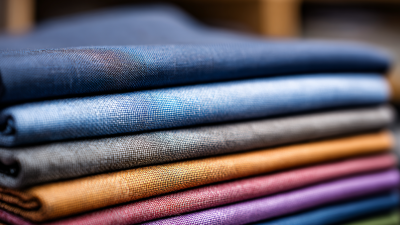
Polyester Weave can serve very different purposes. A tightly woven fabric may suit workwear or luggage, while a lighter construction may fit linings and home textiles. Ask manufacturers for samples, technical data sheets, and clear details on weight, width, weave structure, and finishing. Then compare those details against your actual use. A swatch can feel convincing under showroom lights. It still needs to perform after washing, abrasion, and production-scale processing.
A credible expert quotation should be checked against its original source. No article or verified quotation was supplied here, so attributing a statement to a named Polyester Weave specialist would risk inventing evidence. Textile researcher Subramanian Senthilkannan Muthu is a relevant voice on textile materials and sustainability, but a specific quotation should be confirmed before publication. This matters. Supplier rankings can change, and factory capabilities vary by product line. The guide that follows should therefore assess verifiable strengths, not repeat marketing claims. Readers should confirm certifications, sample results, lead times, and communication practices directly with each manufacturer. Even a strong shortlist needs a second look.
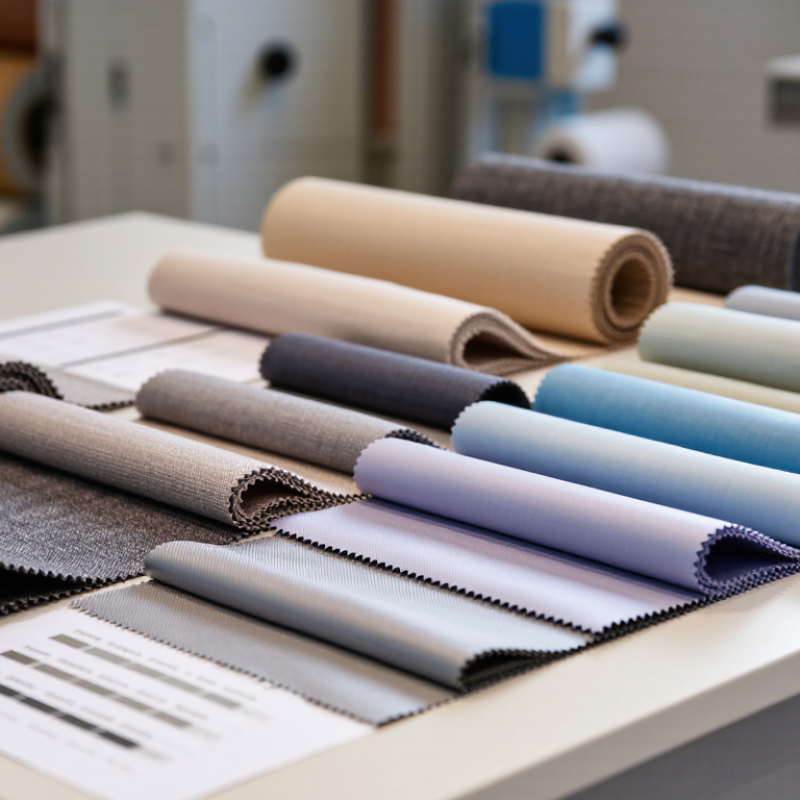
Polyester weave manufacturing begins with yarn selection. Mills may use continuous-filament yarn for a smooth surface or spun yarn for a softer, less uniform texture. The choice affects strength, appearance, and how the fabric handles finishing. Small details matter. Yarn lots are checked for thickness and consistency before they enter production.
Warp yarns are arranged in parallel, then prepared for the loom. Depending on yarn type and fabric construction, a mill may apply sizing to reduce breakage during weaving. On the loom, warp and weft yarns interlace in a chosen pattern, such as plain or twill. Operators monitor tension, loom speed, and defects like missing picks. One loose thread can spoil a visible section. It is not automatic.
After weaving, the greige fabric is inspected and may be scoured, dyed, or printed. Heat setting stabilizes polyester by exposing it to controlled heat and tension, helping manage shrinkage and width. Temperature and dwell time need careful adjustment; too much heat can affect hand feel or color. Quality checks may include fabric weight, width, color consistency, and tensile strength. Even with process records, results can vary between batches, so mills often need to review settings rather than trust yesterday’s numbers.

What Polyester Weave Manufacturing Involves
Polyester fabric production typically includes drying PET resin, melt spinning it into yarn, and heat-setting the woven fabric. The chart shows indicative operating temperature ranges; actual settings vary with materials, equipment, and product requirements.
Evaluating Chinese polyester weave manufacturers requires more than comparing quoted prices. Begin with the fabric specification: yarn type, weave structure, width, weight, color tolerance, and intended use. Ask whether each detail appears in the quotation and production records. Vague wording can lead to costly differences.
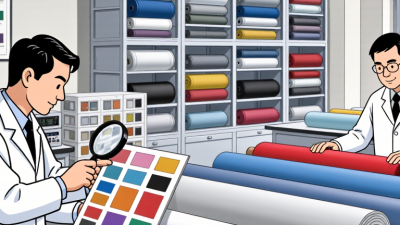
Request a sample from the same production line used for larger orders, then check it against your requirements. Measure width and weight, inspect the edges, and look for uneven color or loose threads. If the fabric will face repeated washing or abrasion, arrange suitable testing and review the results. A polished sample is not proof of consistent bulk production. It is only one useful signal.
Check how the factory controls incoming yarn, loom settings, inspection, and defect handling. Ask for recent quality records, production capacity, minimum order quantity, and realistic lead times. Clear answers matter. So does traceability. Communication can reveal how issues may be handled, but it cannot replace evidence. A site visit or independent inspection may add confidence, though neither catches everything. Some variation is normal; the important question is whether it stays within agreed limits. I would leave room for judgment here: a neat checklist can miss the small details that affect performance.
Leading polyester weave manufacturers in China are often distinguished by stable loom performance, practical finishing options, and clear production records. A capable mill can explain yarn denier, weave density, fabric weight, and finishing choices in plain terms. Ask for samples. Check whether each sample suits its intended use, such as lining, workwear, bags, or outdoor covers. A smooth swatch can look convincing, yet seams may behave differently under stress.
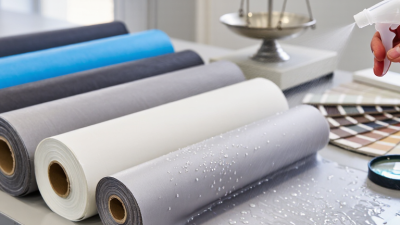
Reliable suppliers document inspection points from incoming yarn through greige fabric and final finishing. Useful checks include width tolerance, color consistency, shrinkage, tensile strength, and variation between rolls. Details matter. Ask for recent test reports and confirm that their methods match your needs; one report cannot guarantee every shipment.
For buyers comparing leading manufacturers, communication and realistic lead times matter as much as equipment. A factory should state minimum order quantities, available colors, customization limits, and how it handles defects. Not every mill fits. Some suppliers excel at large repeat orders, while smaller runs may cost more or require longer setup times. Comparing samples helps, but I still treat sample results as provisional until a production lot confirms them.
The table below summarizes major polyester woven-fabric supplier segments and established textile sourcing areas in China. It is an industry overview, not a verified ranking of individual manufacturers; specifications and capabilities vary by factory.
| Supplier segment | Established sourcing areas | Common woven products | Typical applications | Key checks for buyers |
|---|---|---|---|---|
| Apparel and fashion fabrics | Shengze, Wujiang District, Suzhou, Jiangsu; Keqiao, Shaoxing, Zhejiang | Polyester filament plain, twill, satin, and crepe fabrics | Dresses, blouses, trousers, uniforms, and linings | Fiber composition, fabric weight, width, colorfastness, hand feel, and shrinkage |
| Lining and lightweight fabric suppliers | Jiangsu and Zhejiang textile manufacturing areas | Lightweight polyester taffeta, pongee, and lining fabrics | Garment linings, windbreakers, bags, and light outerwear | Tear strength, coating or finishing details, water resistance where specified, and roll consistency |
| Oxford and bag-fabric suppliers | Zhejiang, Jiangsu, and Fujian textile clusters | Plain- or basket-weave polyester Oxford cloth, often offered with optional coatings | Backpacks, luggage, tents, covers, and outdoor goods | Denier, weave density, tear and tensile strength, coating type, and hydrostatic performance if required |
| Home-textile fabric suppliers | Shengze and other Jiangsu-Zhejiang textile production centers | Polyester woven fabrics for curtains, furnishings, and bedding components | Curtains, cushion covers, upholstery, and selected bedding products | Abrasion resistance for upholstery, lightfastness, dimensional stability, and applicable safety requirements |
| Technical and industrial textile suppliers | Multiple manufacturing regions; confirm the specific mill and production site | High-tenacity polyester woven fabrics and engineered constructions | Industrial reinforcement, webbing-related applications, protective covers, and automotive or construction uses | Performance test reports, traceability, construction tolerances, and compliance with the buyer’s end-use standards |
| Recycled-polyester fabric suppliers | Available across major textile regions; sourcing depends on certified material supply chains | Woven fabrics made wholly or partly with recycled polyester yarn | Apparel, bags, home textiles, and promotional products | Recycled-content percentage, transaction documentation, certification scope, and consistency between documents and shipment |
Note: Treat regional location as a sourcing reference, not proof of a factory’s capacity or quality. Request current samples, test results, production-site details, and written specifications before placing an order.
China’s polyester weaving manufacturers vary in fabric range, production scale, and finishing expertise. Some focus on lightweight linings; others produce dense, abrasion-resistant fabrics for bags or workwear. Textile Exchange’s Materials Market Report 2024 estimates that polyester made up about 57% of global fiber production in 2023, within a total of 124 million tonnes. That scale creates many options, but does not make every mill suitable for every order. Details matter.
Compare weave structure, yarn denier, fabric weight, and finishing options against your product’s actual use. Ask how suppliers control color consistency, shrinkage, and defects across repeat batches. Request test results and production samples, not just a polished swatch. A neat sample can still hide uneven bulk production. I would also confirm minimum order quantities and lead times in writing; these details are easy to overlook during early discussions.
Tips: Send one clear specification sheet, including target weight, width, color, and required tests. Ask for a sample from a normal production run. Fancy claims are not enough. The best fit is the manufacturer whose verified capabilities match your fabric requirements, schedule, and quality checks.
A supplier’s sample is only a starting point. Ask for the fabric’s composition, weight, usable width, weave structure, and tolerance range in writing. Then compare those details with your product needs, not just the sample’s look. Small details matter. A few grams per square meter can affect drape, durability, and cutting yield.
Request samples from more than one production batch when possible. Check color consistency under daylight and indoor lighting, and rub the surface to spot loose fibers or uneven finishing. For intended uses, arrange suitable testing for strength, shrinkage, or colorfastness through a qualified laboratory. A polished swatch can still hide production variation. I would not treat one attractive sample as proof of reliable bulk quality.
Before placing an order, confirm minimum quantities, lead times, payment terms, and how defects or delays are handled. Ask who manages quality checks and whether inspection records can be shared. Clear answers are useful; vague promises are not. A factory visit or independent inspection may help, though neither guarantees a perfect shipment. No supplier is risk-free, and buyers sometimes overlook small communication gaps until deadlines are close. Keep specifications and approvals documented, and make sure the supplier understands the exact fabric you expect.