What Makes China a Top Polyester Terry Fabric Supplier?

What makes China a top Polyester Terry Fabric supplier? The answer begins with scale, but it does not end there. Textile Exchange’s Materials Market Report 2024 estimates global fiber production reached about 124 million tonnes in 2023. Polyester represented approximately 57% of that volume. China remains central to this supply chain, with extensive access to polymer production, spinning, knitting, dyeing, and finishing facilities.

This concentration creates practical advantages for buyers. A sourcing team can inspect greige fabric in the morning and review dyed terry samples later the same day. Large mills often support customized weights, loop heights, widths, colors, and moisture-management finishes. China Customs data and UN Comtrade records also show China’s continuing importance in global textile trade. These sources support the country’s strong export capacity, although country-level figures cannot prove every supplier’s performance.

Factory experience matters more than a polished catalog. Reliable producers test GSM, shrinkage, colorfastness, pilling, and absorbency before shipment. They should also provide test methods, batch records, and material declarations. The Global Recycled Standard may help verify recycled claims, when certification applies. Ask for current certificates. Do not rely on logos alone.

The advantage is real, but not absolute. Some factories compete mainly on price. Others invest in stable quality and responsive development. Those differences can be significant. Buyers should compare production records, sample results, audit evidence, and communication speed before choosing a partner. Polyester Terry Fabric from China can offer strong value, yet responsible sourcing requires verification at every stage. This is where assumptions often fail.
What Makes China a Top Polyester Terry Fabric Supplier?

Definition and Key Features of Polyester Terry Fabric

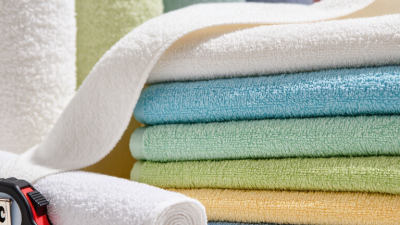
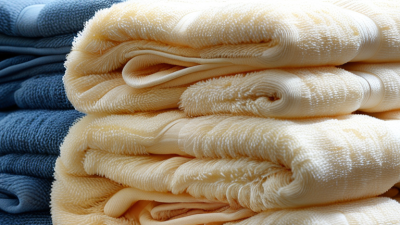
Polyester terry fabric is a knitted or woven textile with raised loops on one or both sides. These loops create a soft, textured surface and improve moisture handling. Unlike cotton terry, polyester terry usually dries faster and keeps its shape after repeated washing. It also offers strong abrasion resistance, making it suitable for towels, bathrobes, sportswear, cleaning cloths, and hospitality products.

Key features include low moisture retention, stable color performance, and flexible fabric weight. A dense 250–350 GSM construction can feel substantial, while a lighter version may suit activewear. The final performance depends on yarn quality, loop height, finishing, and dyeing control. In practical sourcing work, buyers should examine edge stability, surface softness, pilling resistance, and shrinkage after washing. China has become a top polyester terry fabric supplier because its manufacturers often combine large-scale production with varied construction options. Still, low price alone is not proof of quality. That assumption can cause costly errors.

Tips: Request a physical sample before placing a bulk order. Test absorbency, drying time, colorfastness, and dimensional change. Check the fabric after several wash cycles, not only when it looks new. A clear specification should state fiber content, GSM, width, loop structure, and acceptable tolerances. Be careful with “quick-dry” claims. They may vary under different humidity and airflow conditions.
China’s Polyester Terry Fabric Manufacturing Capabilities

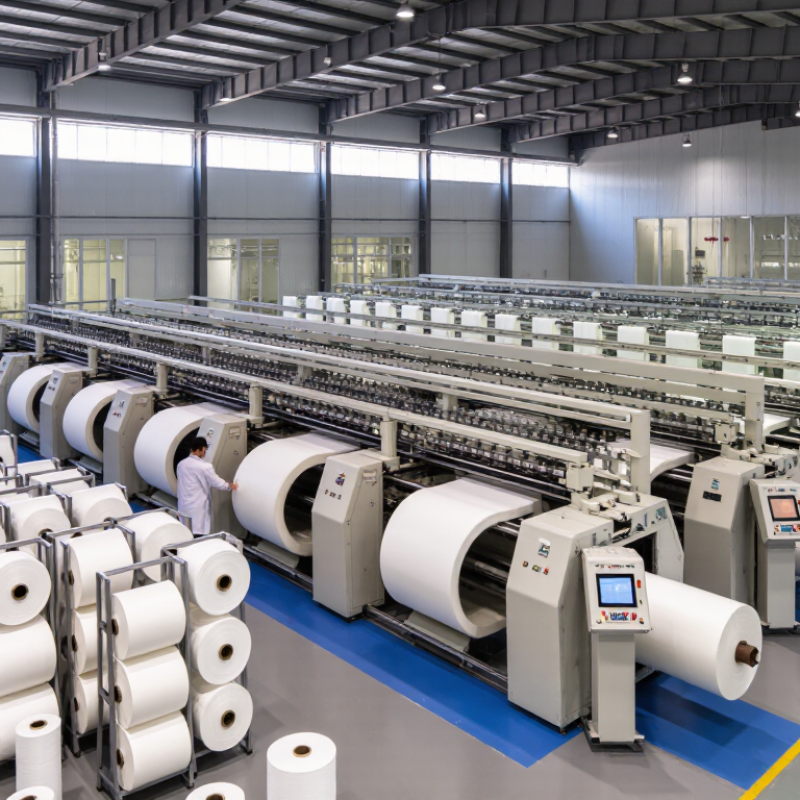
China’s polyester terry fabric manufacturing capabilities support large, varied, and consistent production. Many mills operate modern knitting machines for towels, bathrobes, cleaning cloths, and sports textiles. These machines can adjust loop height, fabric weight, width, and surface softness. Production teams also manage recycled polyester, blended yarns, and different filament structures.

Dyeing facilities provide controlled color matching, temperature management, and washing tests. Quality teams check absorbency, shrinkage, weight, color fastness, and edge stability. In practical sourcing, these details matter more than a low quotation. A reliable supplier should provide fabric samples, test records, and clear production timelines. Still, not every mill performs equally. Some factories may show strong equipment but weaker inspection discipline. Buyers should verify real capacity before placing large orders.

Tips: Request samples from different production lots. Compare loop density, hand feel, and drying speed. Ask how defects are recorded and corrected. Confirm whether the factory can maintain the same specifications after repeated washing.

Flexible manufacturing is another advantage. Mills can develop custom colors, widths, weights, and finishing effects for specific applications. Experienced technicians usually adjust tension and finishing pressure during trial production. This reduces uneven surfaces and excessive fabric distortion. However, technical promises need evidence. A small pilot order can reveal production consistency, packaging quality, and communication speed before regular purchasing begins.

What Makes China a Top Polyester Terry Fabric Supplier?

China’s large and expanding chemical-fiber manufacturing base supports reliable access to polyester yarns and fabrics, including terry constructions. The chart shows China’s annual chemical-fiber output, an upstream indicator of production scale rather than terry-fabric output alone.

Source: China National Bureau of Statistics and China Chemical Fibers Association annual industry statistics. Unit: million metric tonnes.

Raw Materials, Production Processes, and Quality Control

China’s strength as a polyester terry fabric supplier begins with controlled raw materials. Reliable mills select polyester chips according to fiber fineness, strength, and moisture content. They may use virgin polyester or certified recycled inputs for different performance goals. The choice affects softness, absorbency, color stability, and fabric cost.

Production requires more than high-speed knitting. Technicians adjust yarn tension, loop density, and machine speed for stable terry piles. The greige fabric then passes through scouring, dyeing, drying, and finishing. Precise temperature control helps prevent harsh handles and uneven shades. Experienced factories also record batch numbers throughout production. Traceability matters. Small process changes can alter the final hand feel.

Quality control should combine laboratory testing with physical inspection. Inspectors check GSM, width, pile height, shrinkage, pilling, tensile strength, and colorfastness. They examine fabric under consistent lighting, not only beside a workshop window. A sample may look perfect before washing. That can be misleading. Wash testing often reveals loose loops, shade movement, or excessive shrinkage. No mill is flawless, and rushed orders increase risk. Good suppliers respond with corrective records, retained samples, and clear approval procedures. Buyers should still verify results independently, because trust without evidence is weak.

Why China Is a Competitive Global Supplier

China has become a competitive global supplier of polyester terry fabric through scale, technical experience, and flexible production. Many mills can connect yarn preparation, knitting, dyeing, finishing, and inspection within one supply network. This reduces unnecessary transfers and helps control production schedules. Buyers may request different weights, loop heights, widths, colors, or recycled polyester content. Chinese manufacturers often adjust these details for towels, cleaning textiles, sportswear, and home products.

Technical control matters. Experienced teams monitor fabric weight, shrinkage, color consistency, absorbency, and surface softness. They may test samples before bulk production and keep shade standards for repeat orders. Export-focused factories also understand carton limits, moisture protection, labeling, and shipment planning. These practical details can reduce problems for overseas buyers. Still, low prices alone do not prove reliability. A supplier should provide clear specifications, test records, production photographs, and realistic delivery dates.

Not every order runs perfectly. Color matching can shift between batches, and high-density terry may need longer drying time. A careful buyer should approve a pre-production sample and define acceptable tolerances in writing. Communication remains important across languages and time zones. Some factories respond quickly, but their technical explanations may be incomplete. Regular inspections and documented quality checks can correct that weakness. China’s advantage is not only manufacturing volume; it is the ability to combine material access, skilled labor, customization, and export experience for different markets.

How to Select a Reliable Chinese Polyester Terry Fabric Supplier

Selecting a Chinese polyester terry fabric supplier requires more than comparing quotations. China remains a major textile manufacturing center, supported by integrated yarn, knitting, dyeing, and logistics networks. Textile Exchange’s Materials Market Report 2024 states that polyester represented about 59% of global fiber production in 2023. This scale improves material availability, but it does not guarantee consistent terry quality. Ask for fabric samples. Then test them.

A reliable supplier should disclose fiber composition, fabric weight, width, shrinkage, colorfastness, and pilling results. Request a recent third-party test report, not a prepared spreadsheet. For towels or robes, compare loop height, absorbency, back-surface stability, and edge behavior after washing. Recent International Trade Centre data identifies China as a leading exporter of textile fabrics. However, export strength can hide factory differences. Review production photos, machine capacity, daily output, and quality-control records. A factory audit is useful.

Confirm whether the quoted mill or a trading intermediary will produce your order. Clarify minimum order quantity, sample approval, packaging, lead time, and compensation for defects. Independent social and environmental audits add credibility, while transaction records support traceability. If recycled polyester is specified, verify chain-of-custody documents and recycled content testing. Do not trust impressive claims alone. I have learned that a low price often reflects missing inspection steps, not superior efficiency. Still, supplier selection is not perfectly objective; small trial orders may reveal problems that documents miss.

What Makes China a Top Polyester Terry Fabric Supplier? – How to Select a Reliable Chinese Polyester Terry Fabric Supplier
No. Selection Dimension Practical Benchmark What a Reliable Supplier Should Provide Verification Method
1 Product Specialization Demonstrated experience with polyester terry, microfiber terry, towel fabric, bathrobe fabric, or cleaning textiles. A technical product range covering different pile heights, weights, constructions, finishes, and end uses. Request fabric specifications, construction details, recent samples, and application references without relying only on catalog images.
2 Fabric Weight and Construction Many polyester terry applications fall approximately within 180–350 GSM, depending on use, pile, yarn, and finishing. Clear tolerances for GSM, width, pile height, composition, and fabric structure are stated before production. Check the technical data sheet and test pre-production samples for weight, width, thickness, and pile consistency.
3 Raw Material Control Polyester content should match the agreed specification; recycled polyester requires traceable documentation. Material composition, yarn type, recycled content, and source documentation are disclosed consistently. Use fiber-composition testing and request recognized recycled-content or chain-of-custody documentation when applicable.
4 Colorfastness and Performance For many commercial applications, colorfastness targets of Grade 4 or higher are commonly requested, subject to the buyer’s standard. The supplier agrees on test methods and performance targets for washing, rubbing, perspiration, pilling, and shrinkage. Require an independent or in-house test report using an agreed standard before bulk production.
5 Sample and Lab-Dip Service Standard sample preparation may take about 3–7 working days; custom developments may require more time. Samples represent the intended bulk quality, and color approval is documented before production starts. Compare approved samples with bulk inspection samples for color, hand feel, pile, weight, and width.
6 Production Capacity and Lead Time A typical repeat-order lead-time range is approximately 15–30 days after approval, depending on quantity and customization. Capacity, machine availability, production schedule, and realistic shipment dates are communicated in writing. Request a production plan and evaluate whether delivery commitments have clear assumptions and milestones.
7 Minimum Order Quantity Custom colors and constructions commonly require higher quantities than stock fabrics; practical MOQs often range from several hundred kilograms upward. MOQ is stated separately for stock items, custom colors, custom finishes, and new constructions. Obtain a written quotation showing MOQ, price breaks, sample charges, and any setup or color fees.
8 Quality Assurance System Inspection should cover raw materials, production, finished fabric, packing, and shipment release. Written inspection procedures, measurable acceptance criteria, batch records, and corrective-action processes are available. Review inspection reports and arrange pre-shipment inspection using an agreed sampling plan.
9 Compliance and Chemical Safety Requirements depend on the destination market and product use; restricted-substance control is essential. The supplier can provide relevant chemical test reports and supports applicable market requirements. Verify current laboratory reports, chemical declarations, and social or environmental certificates where required.
10 Communication and Documentation Technical responses should be clear, consistent, and provided within an agreed communication timeframe. Quotations, specifications, invoices, packing lists, test reports, and approval records use consistent product information. Use a written specification sheet and confirm every change through dated approval records.
11 Packaging and Export Readiness Fabric should be protected from moisture, contamination, compression damage, and handling during international transport. Roll length, carton or bale method, labeling, moisture protection, and export documents are agreed before shipment. Approve packaging photos and verify roll marks, quantities, shipping marks, and container-loading records.
12 Total Cost and Commercial Terms The lowest fabric price does not necessarily provide the lowest landed cost or the most reliable supply. The supplier clearly separates fabric price, customization, testing, packing, freight terms, payment terms, and potential surcharges. Compare quotations on an equivalent basis using the same GSM, width, composition, finish, quantity, and delivery term.
Note: The benchmark ranges are indicative industry guidelines rather than universal requirements. Final specifications should be confirmed according to the fabric’s end use, destination-market regulations, approved samples, and the buyer’s quality standards.

Subscribe To Our Newsletter

For inquiries about our products or pricelist, please leave your email to us and we will be in touch within 24 hours.