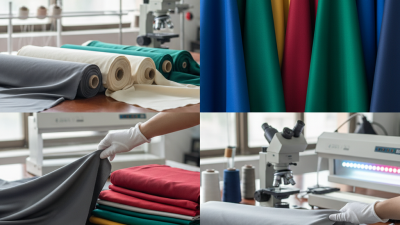
2026 Best Rit DyeMore for Polyester Fabric?

Choosing the best dye for polyester is less straightforward than picking a color from a bottle. Polyester resists many household dyes, and heat, fabric construction, and existing finishes can change the result. Textile Exchange’s Materials Market Report 2024 estimates that polyester made up about 57% of global fiber production in 2023. That scale matters: synthetic fabrics are everywhere, from sportswear to curtains, yet dyeing them at home still takes care.

Rit DyeMore is designed for synthetic materials, including polyester. Rit’s product guidance recommends a stovetop method, steady heat, and regular stirring to help color reach the fabric evenly. A pale polyester shirt and a thick, dark blend may respond very differently. Check the care label, weigh the fabric, and test a hidden area when possible. Small details count.

This guide examines Rit Dyemore Polyester options for 2026, including color range, use, preparation, and realistic limits. It does not treat “best” as a universal verdict. Results depend on the garment and the dye bath, and a test swatch can still differ from the finished item. That is worth remembering. We’ll focus on practical evidence and manufacturer instructions, while noting where outcomes remain unpredictable.
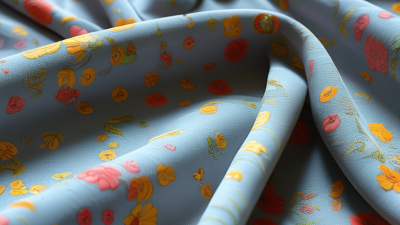
2026 Best Rit DyeMore for Polyester Fabric?

What Rit DyeMore Is and How It Works on Polyester

Polyester is not cotton with a tougher surface. Its fibers are hydrophobic and closely packed, so ordinary water-based dyes struggle to enter them. A dye made for synthetics uses colorants that can move into polyester when the fabric is heated. Think of a small pot held near a steady simmer: heat helps the dye molecules diffuse into the fiber, rather than merely sit on its surface. This takes patience.

Textile Exchange’s Materials Market Report 2024 estimates that polyester made up 57% of global fiber production in 2023. That scale helps explain why synthetic-fiber dyeing matters, but the figure does not guarantee a particular home-dye result. Fabric construction, finishes, and fiber blends all affect uptake. A polyester shirt with cotton stitching may finish in two different shades. Sometimes the seams stay stubbornly pale.

For a more even result, keep the garment moving in a roomy, hot dye bath and follow the dye’s specific temperature and timing instructions. A crowded pot can leave streaks; too little heat may produce a weak shade. Rinse until the water runs clearer, then check the fabric when dry, since wet polyester can look darker. I would test a hidden area first. That extra step can feel fussy, but skipping it is an easy regret.

Which Rit DyeMore Colors and Formulas Suit Different Projects

Polyester needs a dye made for synthetic fibers; ordinary fabric dye may leave it pale or uneven. Textile Exchange’s Materials Market Report 2024 estimates that polyester made up 57% of global fiber production in 2023. That scale does not make every polyester garment easy to recolor: finishes, coatings, and fiber blends can change the result. For a solid tote or costume piece, choose a synthetic-fiber formula and a deep shade such as navy or burgundy. For pale polyester, brighter colors may show more clearly, but the original color still affects the final tone.

Match the color to the project, not just the swatch on the package. A small polyester test piece can reveal whether a warm red turns muted or a light blue looks too faint. Synthetic-fiber dyeing commonly requires very hot water, so check the garment’s care label and the dye instructions before heating anything. Blends containing cotton may take color differently from the polyester fibers, leaving a heathered or uneven look. That can be attractive, though it is not always intentional.

Tips: Weigh the dry fabric and measure dye carefully; guessing can produce patchy results. Stir gently and keep the fabric moving in the bath. Rinse until the water runs mostly clear, then wash separately. One limitation: even careful testing cannot perfectly predict a large garment’s final shade.

2026 Polyester Dyeing Guide: Which Dye Formula Fits Each Project?

How to use this chart: A value of 1 indicates a dye class commonly suited to that fiber; 0 means it is not a typical choice. Disperse dyes are the standard class for polyester, reactive dyes for cotton, and acid dyes for wool and nylon. Check a garment’s fiber content before choosing a color: blends may dye unevenly, and shade results vary with fabric construction and dyeing conditions.

How to Prepare Polyester Fabric for Dyeing

Preparing polyester well begins with checking the care label and fiber content. Textile Exchange’s Materials Market Report 2024 estimates polyester made up 57% of global fiber production in 2023. That prevalence does not make every garment easy to dye; water-repellent finishes and blends can block or soften color. Turn the fabric inside out and inspect seams, stains, and coated areas. Wash it in warm water with detergent, but skip fabric softener. Rinse thoroughly, since leftover detergent can interfere with even coverage. Let the fabric remain damp before dyeing.

Polyester usually needs sustained, high heat for dye to bond, so follow the dye instructions and use a dedicated pot with good ventilation. A small swatch helps. Test a hidden seam first, especially on stretchy or blended fabric. Cut a small sample if possible, then check its color after it dries; wet fabric often looks darker. Keep the material moving so folds do not sit against the pot’s base. Do not crowd it. I have found that even careful preparation cannot always overcome a factory finish, and that is worth admitting before committing a whole garment.

How to Dye Polyester with Rit DyeMore Step by Step

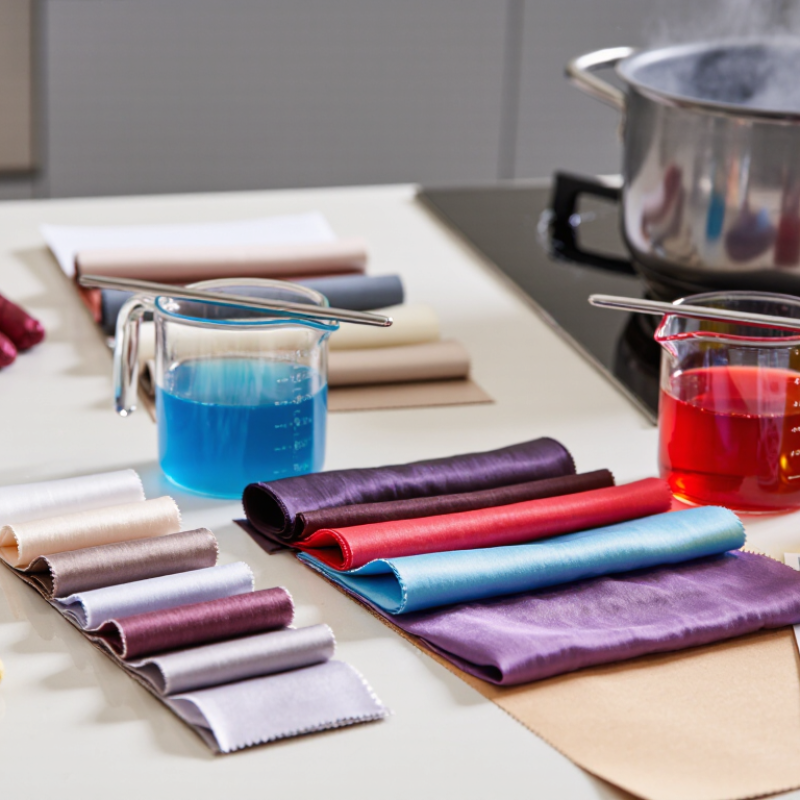
Dyeing polyester takes more heat and patience than dyeing cotton. Check the care label first; heat-sensitive finishes or trims may not tolerate a stovetop bath. Wash the garment to remove oils and fabric softener, then leave it damp. Cover your work area, wear gloves, and use a large pot reserved for dyeing. Keep that pot out of your cooking routine.

Fill the pot with enough water for the fabric to move freely. Add a dye made for synthetic fibers, following its package directions for the fabric’s weight. Heat the bath close to a simmer, around 200°F (93°C), without letting it boil hard. Add the damp garment and stir steadily for 30 to 60 minutes. Keep the temperature consistent. Small details matter.

Lift the fabric occasionally with tongs to check the shade, remembering that wet cloth can look darker. Rinse in warm water, then gradually cooler water, until it runs mostly clear. Wash separately and air-dry. Polyester thread, zippers, and blended panels may stay lighter than the main fabric; that contrast can be surprising, and not always in a good way. If the result looks patchy, uneven stirring or a crowded pot may be part of the reason.

How to Set, Wash, and Care for Dyed Polyester

Polyester holds color differently from cotton, so preparation matters. Wash the fabric first to remove sizing, softener, and skin oils. Use a dye formulated for synthetic fibers, and follow its temperature and timing directions closely. Polyester often needs sustained, near-boiling heat for color to take. Use a dedicated pot, never cookware used for meals, and keep the area ventilated. Check the care label before heating; some blends or finishes may not tolerate the process. Results can vary. I once expected an even shade and got darker seams instead.

After dyeing, let the fabric cool enough to handle, then rinse it in warm water, gradually moving cooler. Continue until the water runs nearly clear. This removes loose surface dye, but it does not guarantee zero color transfer. Wash the item alone for its first few cycles, using cool water and a mild detergent. Turn it inside out to reduce friction. Avoid chlorine bleach and strong stain removers, which can alter the shade.

For everyday care, air-dry when practical or use a low dryer setting. High heat may damage polyester fibers or affect the finish. Don’t iron directly on the dyed surface; use a low setting and test an inside seam first. Some fading is normal over time, especially with frequent washing or direct sunlight. Keep notes on the dye time and temperature next time. That small detail helps, even if the first result isn’t perfect.

Subscribe To Our Newsletter

For inquiries about our products or pricelist, please leave your email to us and we will be in touch within 24 hours.