2026 Top Polyester Water Resistant Fabric Suppliers

Polyester Water Resistant fabrics are used in rainwear, outdoor covers, bags, and upholstery, where moisture protection must work alongside strength and practical care. Textile Exchange’s Materials Market Report 2024 estimates that global fiber production reached about 124 million tonnes in 2023, with polyester accounting for roughly 57%. That scale makes polyester widely available, but it does not guarantee consistent water resistance. A coated sample can bead water under a light spray, then leak at seams or under pressure.

Supplier choice needs more than a polished catalogue. Buyers should compare fabric weight, yarn construction, coating or lamination, hydrostatic-head results, and the stated test method. AATCC 127, for example, measures resistance to water penetration under hydrostatic pressure. Ask for current, fabric-specific test reports—not only a general product brochure. Small details matter. A taped seam, zipper, or untreated edge can change how a finished product performs.

This 2026 overview of top Polyester Water Resistant fabric suppliers is intended to help buyers build a useful shortlist, not declare one universal winner. Capabilities, minimum order quantities, lead times, and testing support can vary by mill and product line. Results may also differ between batches; that point is easy to overlook. Treat supplier claims as a starting point, verify specifications with samples, and assess performance under the conditions the finished product will actually face.
2026 Top Polyester Water Resistant Fabric Suppliers

What Polyester Water-Resistant Fabric Is and How It Works

Polyester water-resistant fabric is not a single construction; its performance depends on the yarn, weave, and surface treatment. Polyester fibers absorb relatively little moisture, so they often dry faster than many natural fibers. Still, the fiber alone does not make a garment rainproof. Protection usually comes from a dense weave, a water-repellent finish, or a thin coating applied to the fabric.

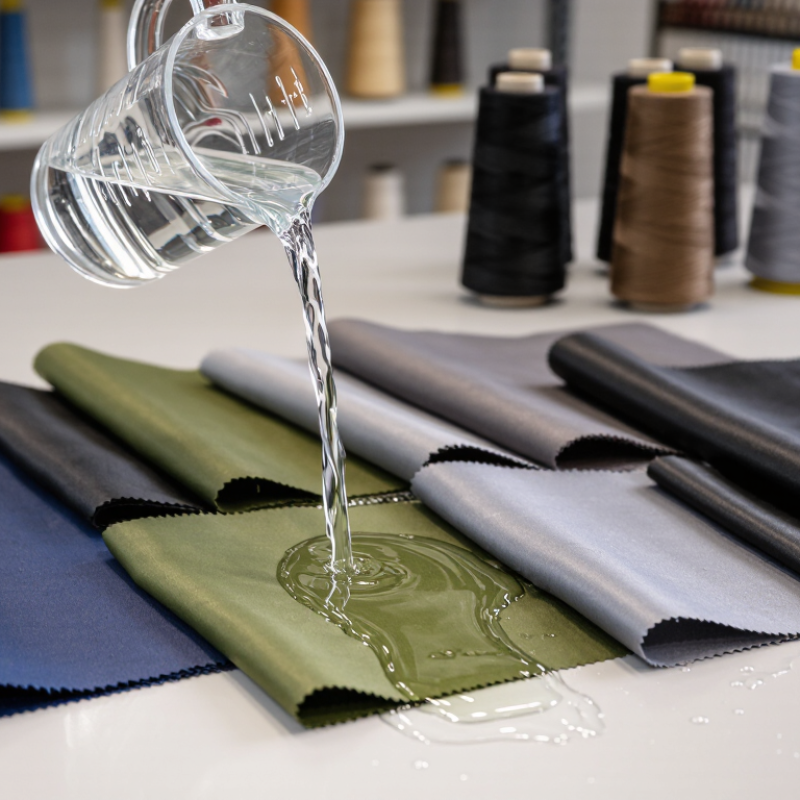
With a water-repellent finish, droplets bead and roll away instead of spreading quickly across the surface. That is useful. But abrasion, detergent, and repeated washing can weaken the finish. Water may then darken the cloth, even when the polyester fibers remain intact.

A tighter weave slows water penetration, while a coating can provide a stronger barrier. Not quite waterproof. A coating may also reduce airflow, so the fabric can feel warmer during active use.

Seams matter, too: water can enter through needle holes even when the main panel resists rain. For a practical comparison, ask suppliers for test results, such as hydrostatic-head data, and check the care instructions.

A few drops on a sample can show whether water beads, but this is only a quick check, not a standardized test. Small detail, big effect. Even a reliable fabric needs suitable construction for the conditions it will face.
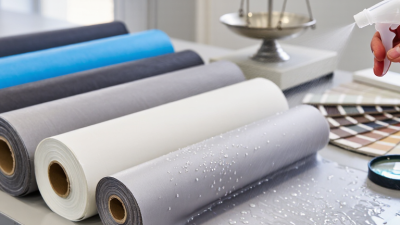
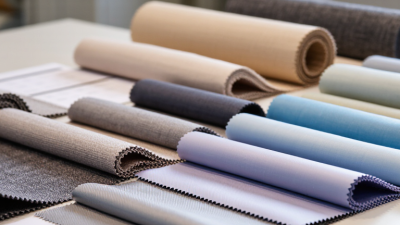
Key Fabric Properties and Common Applications

Polyester water-resistant fabric is valued for low moisture absorption, quick drying, and dependable shape retention. Textile Exchange’s Materials Market Report 2024 estimates that polyester made up 57% of global fiber production in 2023, within a market totaling 124 million tonnes. That scale supports broad material availability, but it does not guarantee equal fabric performance. Construction matters.

Water resistance usually comes from a tight weave, a surface treatment, or a coating such as polyurethane. Buyers should check hydrostatic-pressure results, seam construction, and any stated spray-test method, rather than relying on “water resistant” alone. A coated fabric may shed rain well yet feel stiff or trap heat. Trade-offs are real. Treatments can also wear with washing and abrasion, so care instructions and durability testing deserve attention.

These fabrics commonly serve rain jackets, backpacks, tent panels, patio cushions, and protective covers. A lightweight woven fabric can suit a pack lining, while heavier coated cloth may better handle repeated outdoor exposure. For garment sourcing, test breathability and flexibility alongside water resistance; a fabric that performs on a lab bench may feel clammy during a long walk. Specifications should match the intended use, not just a supplier’s headline claim.

2026 Top Polyester Water Resistant Fabric Suppliers - Key Fabric Properties and Common Applications

Supplier Capability Typical Polyester Fabric Water-Resistance Method Indicative Hydrostatic Head Key Fabric Properties Common Applications Specification Checks
Coated woven-fabric supplier 150D–300D polyester Oxford or taffeta Polyurethane (PU) coating, often applied to the reverse side; a durable water-repellent (DWR) finish may be added to the face Often specified around 1,000–5,000 mm; confirm the result for the exact fabric Lightweight to medium weight; flexible; coating can improve resistance to water penetration Backpacks, tent flysheets, covers, rainwear shells and outdoor accessories Coating type and weight, hydrostatic-head test result, seam construction and resistance to hydrolysis
Membrane-lamination supplier Polyester face fabric laminated to a PU or thermoplastic polyurethane (TPU) membrane Continuous membrane layer; DWR may help water bead on the face fabric Common product specifications range from about 3,000 mm to 10,000 mm or more Can provide higher water resistance; breathability depends on the membrane, construction and test method Rain jackets, ski garments, protective clothing and some outdoor equipment Hydrostatic head, water-vapour transmission, seam sealing, wash durability and care instructions
Lightweight outdoor-textile supplier Polyester ripstop, commonly made with fine yarns and a grid reinforcement DWR finish for water beading, often paired with a PU coating or laminate for greater resistance Varies by finish and construction; coated versions are often specified around 1,500–5,000 mm Low weight and tear-limiting grid construction; performance depends on yarn, weave and finish Lightweight tents, windbreakers, pack covers and compact outdoor gear Fabric weight, tear strength, coating or membrane details, and whether the stated rating applies after aging or washing
Heavy-duty woven-textile supplier 600D polyester Oxford or similar high-denier woven fabric PU or polyvinyl chloride (PVC) back coating; some products also have a face-side DWR treatment Product-specific; coated fabrics may be specified from roughly 1,000 mm upward Robust construction and good abrasion potential; heavier coatings can increase stiffness and weight Luggage, equipment covers, outdoor cushions, awnings and utility bags Finished weight, abrasion and tear requirements, coating adhesion, flexibility in cold conditions and applicable chemical requirements
Apparel-fabric supplier Polyester microfiber, plain-weave shell fabric or lightweight taffeta Often DWR alone; some styles use a separate coating or membrane DWR-only fabrics do not have a reliable waterproof rating unless tested; coated versions require a stated test result Can be soft and lightweight; DWR encourages droplets to bead but does not make an uncoated fabric waterproof Windbreakers, casual outerwear, linings and light-duty rainwear Whether the fabric is DWR-only or coated, test method, wash durability and intended exposure to rain
Recycled-polyester fabric supplier Woven fabric made with recycled polyester yarn; construction may be Oxford, ripstop or taffeta Water resistance comes from the specified DWR, coating or membrane—not from recycled content itself Depends on the same construction and finish factors as comparable virgin-polyester fabric Recycled content describes the fiber source; weight, strength, hand feel and water resistance remain product-specific Bags, apparel, outdoor products and other applications where recycled fiber content is required Verified recycled-content documentation, fabric construction, finish chemistry and product-specific performance tests

Note: Supplier entries describe general supplier capabilities, not ranked or named companies. Hydrostatic-head figures are indicative examples, not guarantees; actual performance varies with fabric construction, coating or membrane, seams, aging and test method. DWR helps water bead on the surface but does not, by itself, make a fabric waterproof.

How to Assess Polyester Fabric Suppliers

How to Assess Polyester Fabric Suppliers

Assess a supplier by the evidence behind its claims, not by catalog wording alone. Request a swatch and a technical sheet showing fabric weight, yarn type, weave, finish, and intended use. Polyester fabrics may resist light rain yet absorb water under prolonged pressure. Small details matter. Ask whether the finish is a surface treatment or a coating, and how it affects breathability and hand feel.

Request recent test reports for water repellency or hydrostatic resistance, as appropriate to the product. Check the test method, sample date, and measured result; a rating without context is hard to compare. A high initial score can look reassuring, but it may say little about performance after washing or abrasion. Ask for results after relevant care cycles, too. Not every supplier will have them ready.

Compare production samples with bulk-lot controls, including shade consistency, coating uniformity, and width tolerance. Ask how defects are recorded and what happens when a shipment differs from the approved sample. Verify lead times, minimum order quantities, and whether the supplier can trace fabric lots. A polished sample is useful, but it is not the whole story. Some answers may remain vague, so record them and decide what level of uncertainty your application can tolerate.

Top Polyester Water-Resistant Fabric Suppliers in 2026

In 2026, the strongest polyester water-resistant fabric suppliers are not simply those offering the highest coating figures. Reliable partners explain the construction: yarn density, weave, coating or water-repellent finish, and intended use. Ask whether the fabric stays flexible after repeated folding and whether resistance is tested on production rolls, not just a lab sample. Documentation should identify test methods, lot variation, colorfastness, and care limits. Small details matter.

Water-resistant is not waterproof. For outdoor covers, bags, or workwear, compare spray-test results and hydrostatic head data against your actual needs. Request a sample in the intended color, then check its weight, surface feel, and performance after washing or abrasion. Suppliers with clear sampling procedures, realistic lead times, and consistent batch records are often safer choices than the lowest-cost quote. Still, no test sheet predicts every use condition; I would treat early results as a guide, not a promise. Confirm minimum order quantities and discuss how defects or shade differences are handled before placing a larger order.

Factors to Consider Before Selecting a Supplier

A supplier’s water-resistant polyester should be judged by measurable performance, not a product name alone. Ask for the fabric’s weight, yarn construction, finish type, and water-resistance test results. Results are meaningful only when the test method and conditions are stated. A fabric that sheds light rain may not withstand prolonged exposure. Be precise about the intended use.

Request a sample and inspect it under realistic conditions. Check whether water beads on the surface, then look for changes after repeated washing or abrasion. Small differences matter. Compare samples from more than one production lot when consistency is critical.

Also ask how the supplier monitors coating or finishing quality, manages defects, and handles production delays. Clear answers are useful; vague assurances are not. A low quote can seem attractive, but it may leave out testing, packaging, or minimum-order costs. That is easy to overlook.

Review lead times, sample charges, and order quantities before committing. No supplier will fit every project perfectly, and a sample cannot predict every issue in bulk production.

Still, written specifications and a practical trial make the choice less dependent on guesswork.

Subscribe To Our Newsletter

For inquiries about our products or pricelist, please leave your email to us and we will be in touch within 24 hours.